A horse-powered economy shaped what people bought and sold, how goods moved, and how people travelled. Generations of breeding, training and horsemanship produced winning racehorses, including Phar Lap, born in Seadown, Timaru, in 1926. As technology and needs changed, horses were joined, and increasingly replaced, by bicycles, rail and motor vehicles, and the CBD adapted.

Timaru’s CBD was, and still is, a place of exchange, bringing people together to trade, work, shop, meet, share ideas and find entertainment across the region, country and world.

NOTE: Timaru’s streets were widely renumbered in the early 1920s, with the new Stafford St numbers in use by 1924. Because some addresses changed, historic street numbers cannot always be matched to modern addresses.

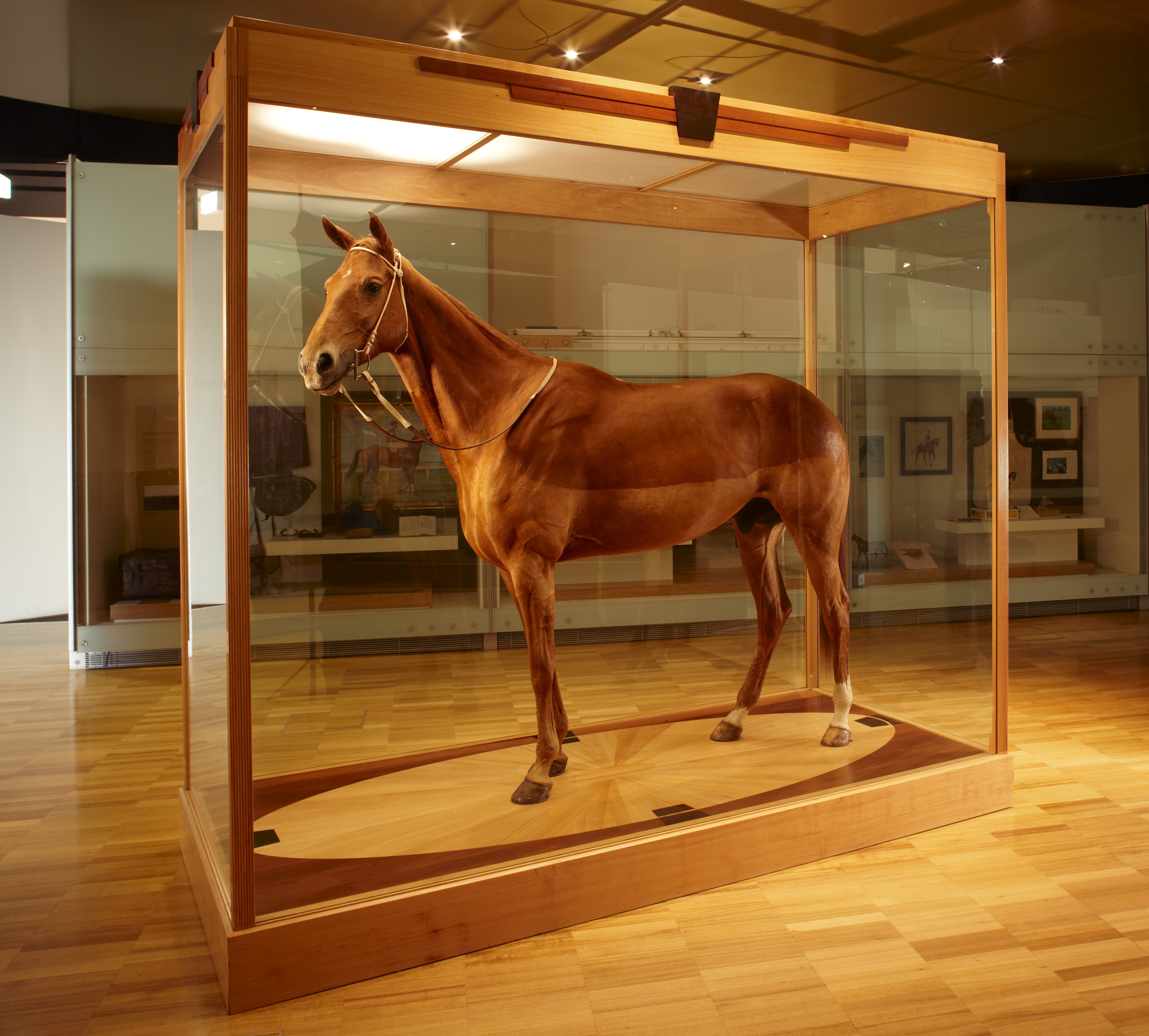
Phar Lap hide at the Melbourne Museum Image Museum Victoria 2009

Phar Lap’s hide is currently on display at the Melbourne Museum, he stands 17.1 hands high. (Image: Museum Victoria 2009)


For generations, horses had powered everyday life. 

They carried people, pulled carts, delivered goods and connected farms with Stafford Street, the railway and the port. Blacksmiths, saddlers, stables, carriers and horse dealers were part of the machinery of the CBD.  But by the 1920s, hooves were increasingly sharing the road with tyres. Motor cars and trucks were changing how people travelled and how goods moved. The old horse-powered town was beginning to disappear.

Phar Lap was born between the two world wars, only eight years after the First World War ended. Then, as his racing career took off, the Great Depression hit. Money was tight, unemployment grew and newspapers and cinemas became important ways for people to follow stories far beyond their own town. 

Into that world came a huge chestnut horse from South Canterbury.

Phar Lap became more than a racehorse. His victories gave people something to follow, argue about and celebrate during difficult years. Follow his story back through Timaru and you uncover something bigger: a CBD changing from hooves to tyres, and a community learning to live in a new modern world.


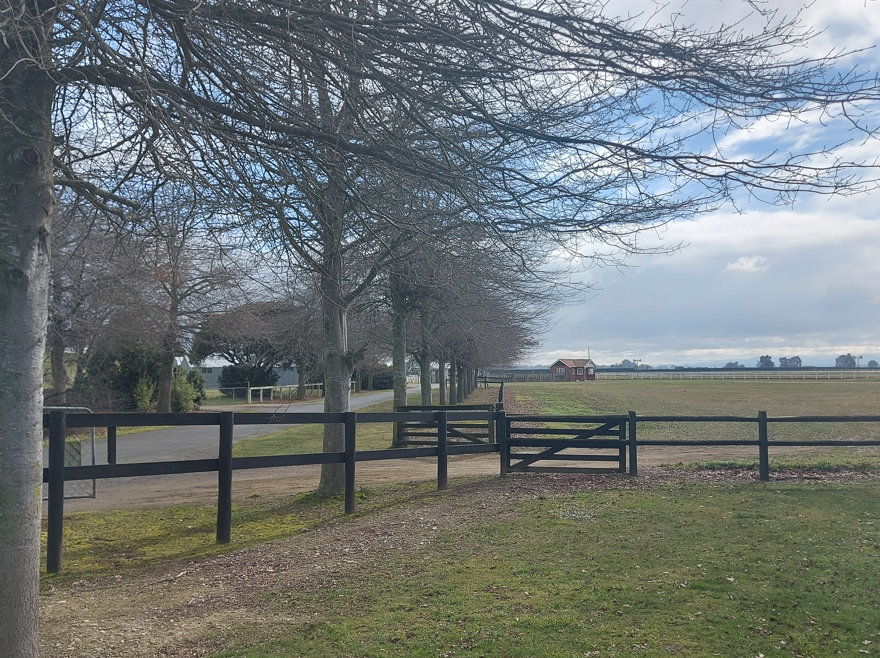
Horses arrived with South Canterbury’s pastoral settlers in the early 1850s. Timaru’s jockey club raced at Washdyke in 1860. In 1883, the Timaru Racecourse Reserve Act placed the public racecourse reserve under trustees. The course later became Phar Lap Raceway.

Phar Lap was born on 4 October 1926 at breeder Alexander Roberts’ 300-acre property at Seadown. As a young horse, Phar Lap was described as big, awkward and ungainly, and at the sales he was remembered as a poor walker who could even trip over himself. Roberts thought Phar Lap’s long legs might make him too slow to become a great racehorse, so he decided to sell him. He was sold at Trentham as Lot 41 and for 160 guineas, and sent to Australia. Another colt at the same sale sold for 2,300 guineas, showing just how little was expected of Phar Lap at the time.

Trainer Harry Telford adopted the name Phar Lap, said to mean “lightning” in Thai. 

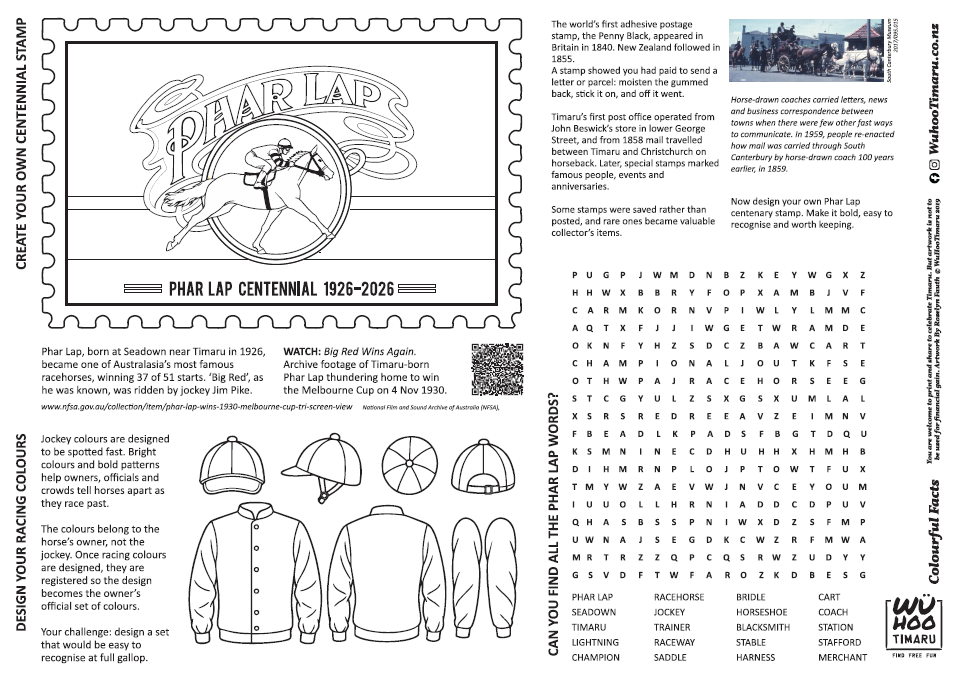
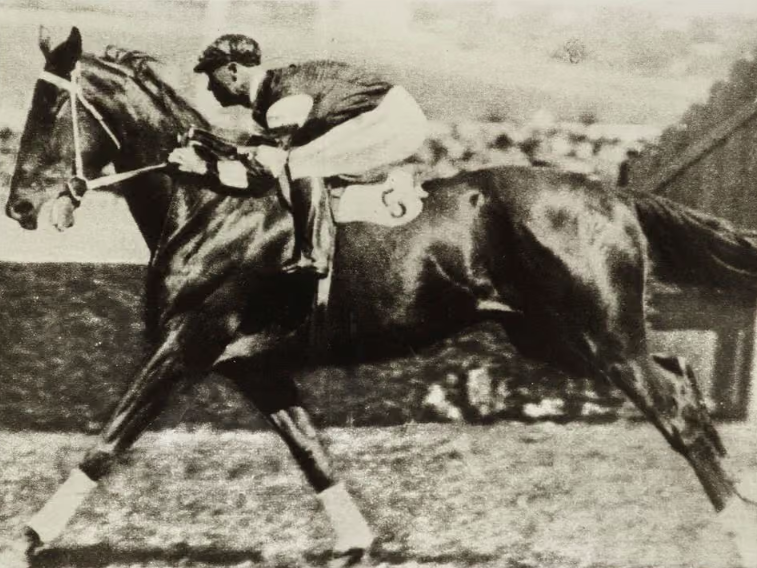
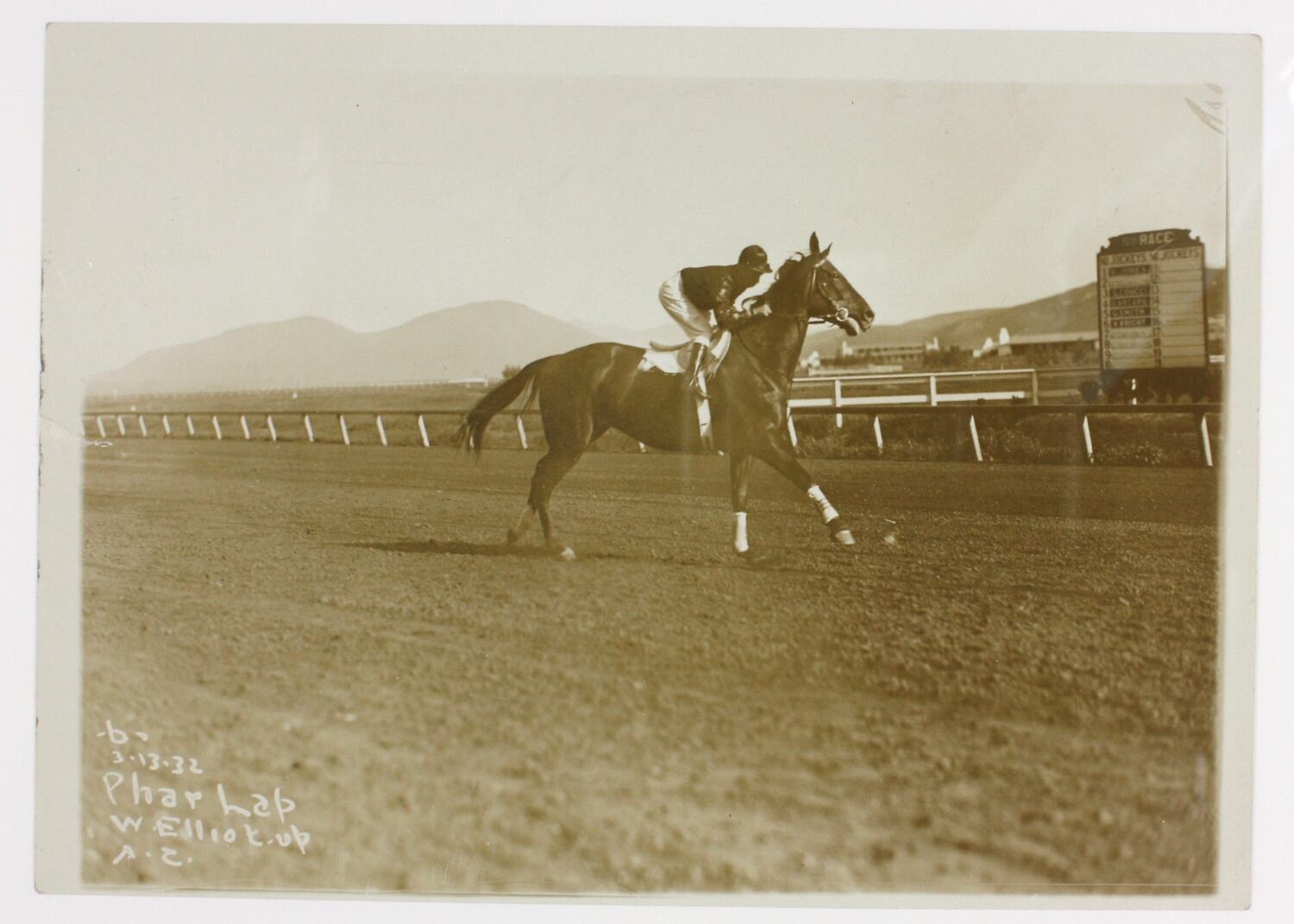
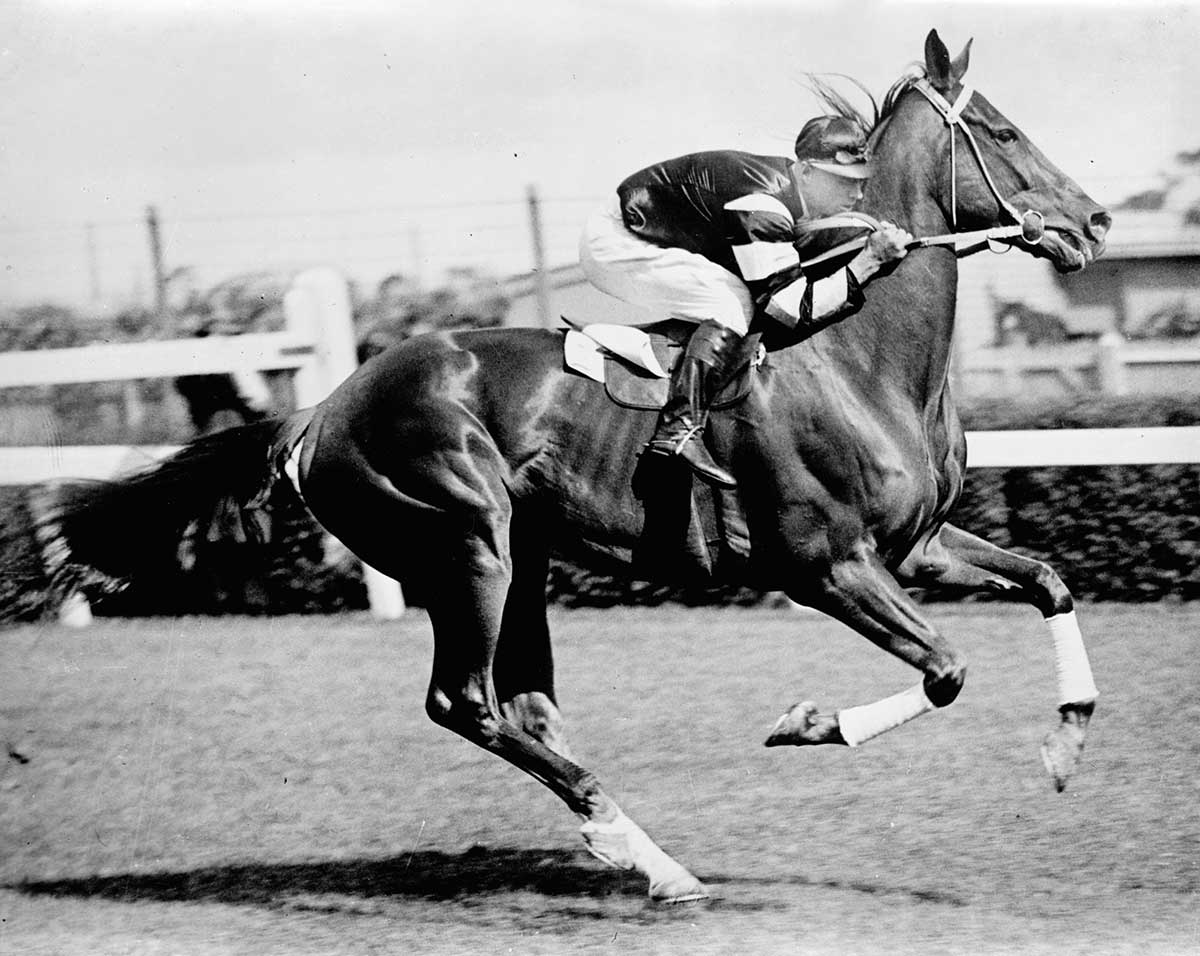
Phar Lap finished 9th out of 13 in his first race and did not win until his fifth start. He became an extraordinary champion, winning 37 of 51 starts, including the 1930 Melbourne Cup and the 1932 Agua Caliente Handicap in Mexico, then the richest race in the world. Phar Lap became famous not just because he won, but because he often beat very good horses convincingly. 

His greatest years came during the Great Depression, when many families were struggling and his victories gave people something exciting to follow. 

His rise coincided with a new age of mass media. Newspapers reported his races and radio carried the excitement live. Footage of Phar Lap was screened in New Zealand cinemas, helping turn the Timaru horse into an international sporting icon during the Great Depression. The race in Mexico was his only race in North America, and he died suddenly just 16 days later, on 5 April 1932, aged only five. Phar Lap died at Menlo Park, California, on 5 April 1932. Later testing of hair from his preserved hide found that he had ingested a lethal dose of arsenic shortly before his death. His sudden death shocked the public and helped turn a famous racehorse into a legend.

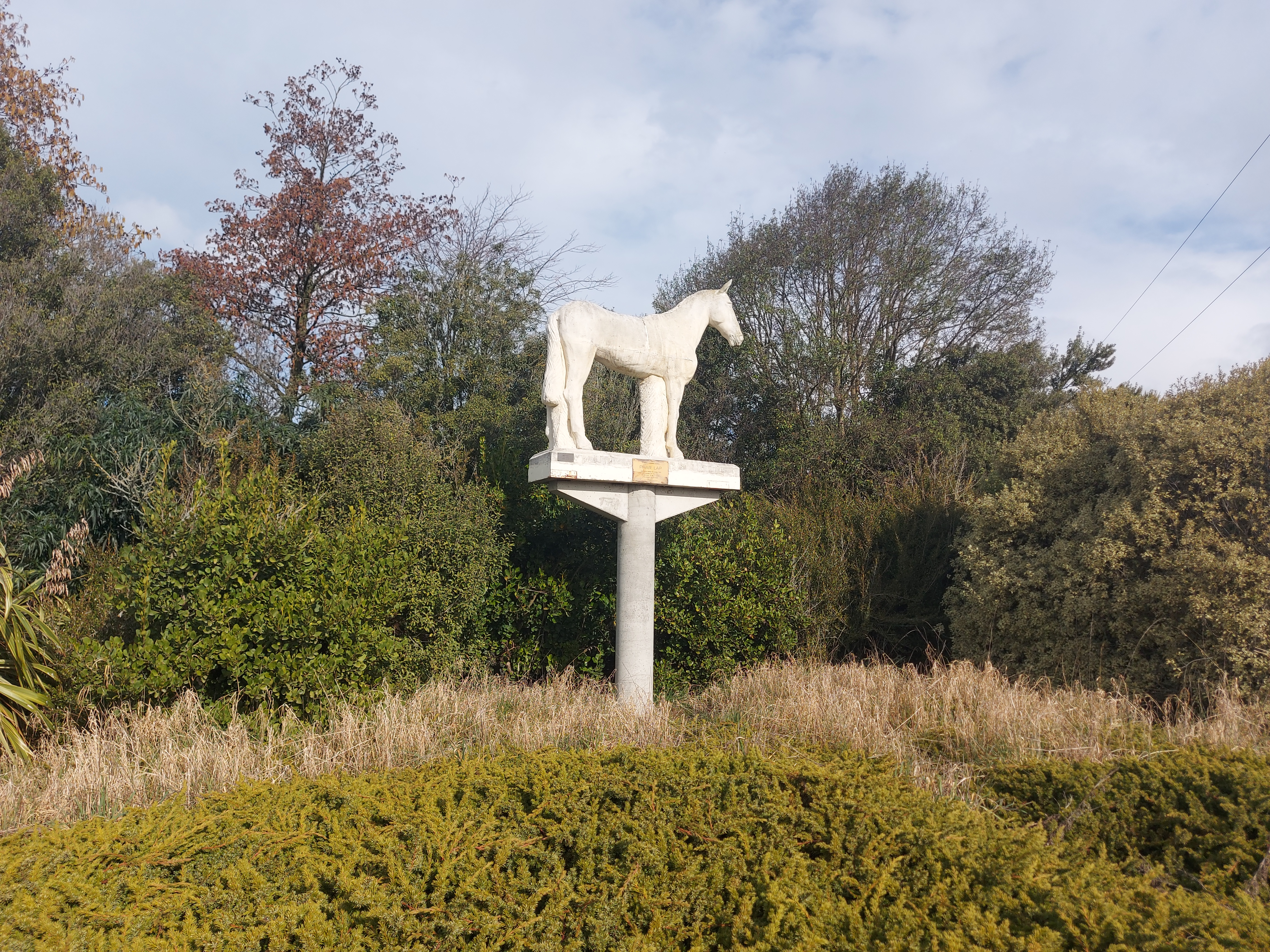
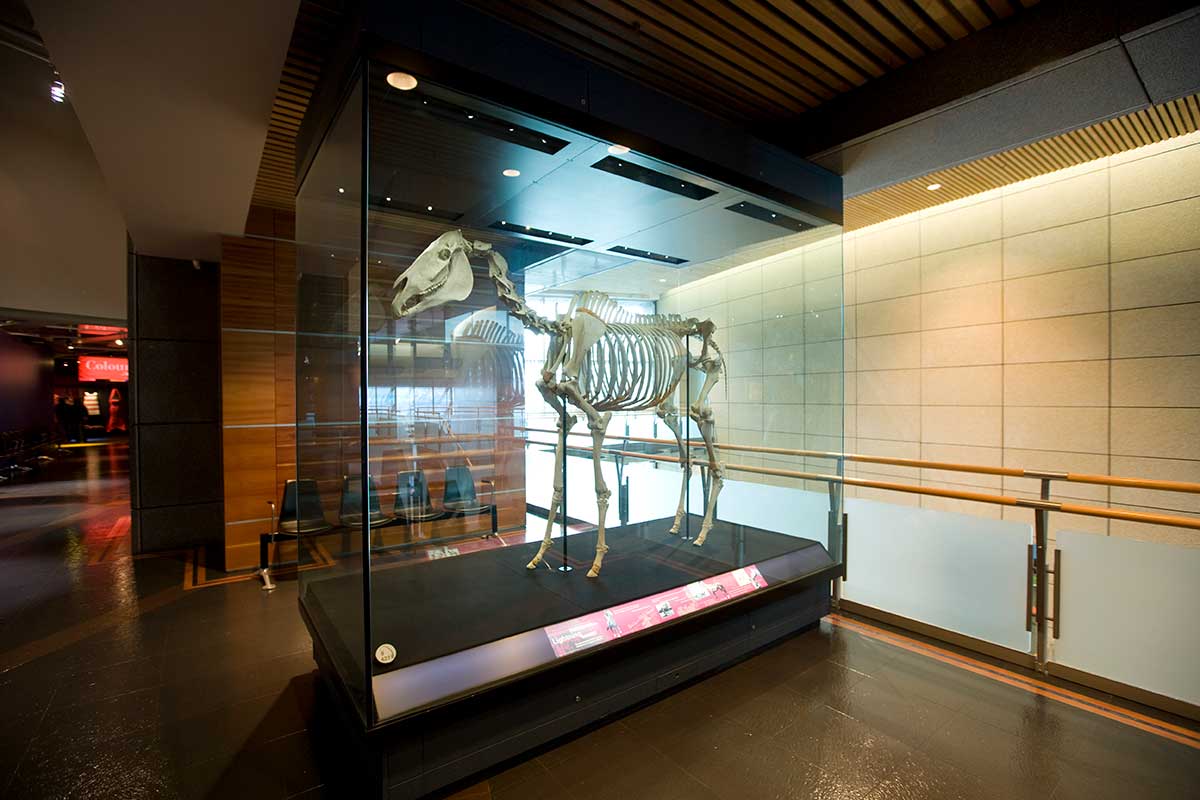
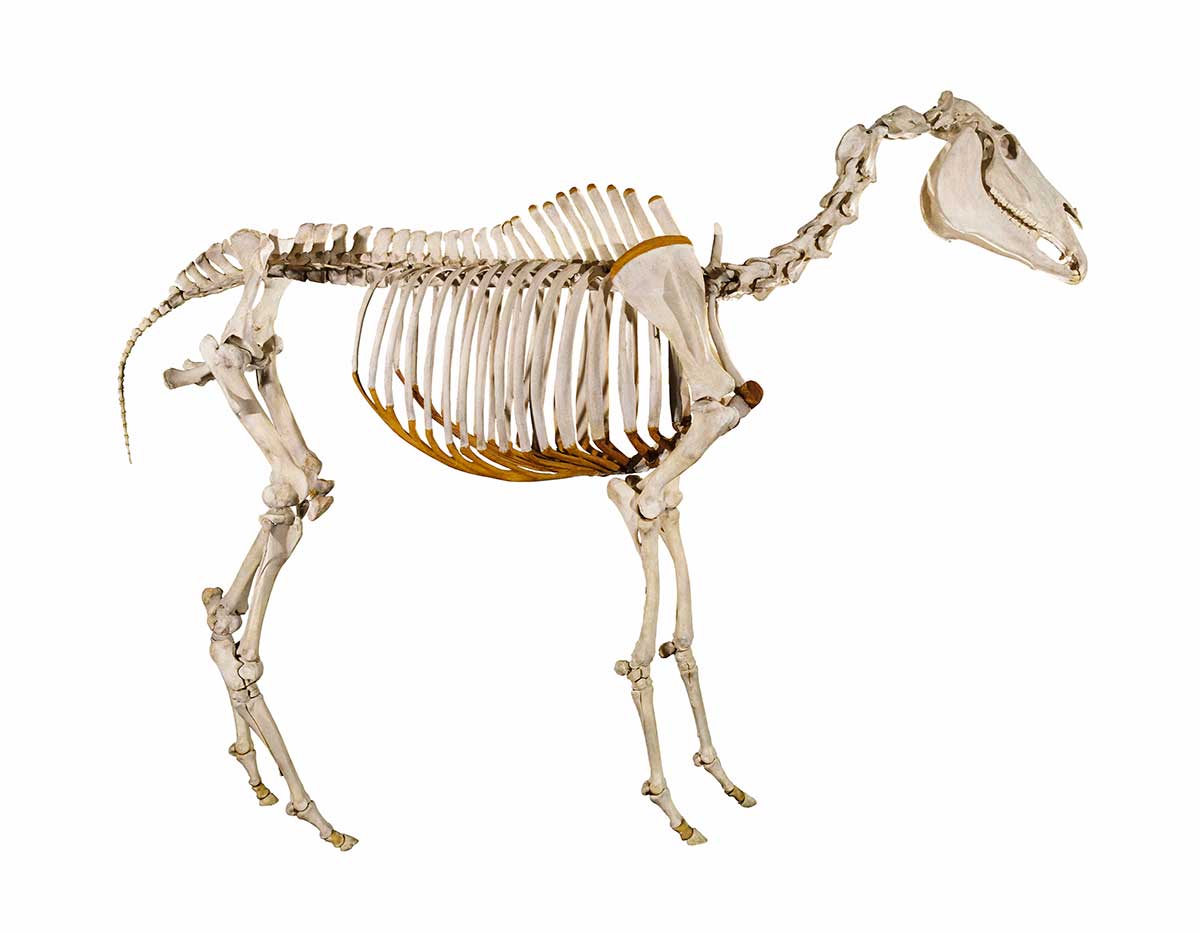
Today his skeleton is at Te Papa, his heart is in Canberra and his mounted hide is in Melbourne. South Canterbury remembers him at his Seadown birthplace and at the Phar Lap Raceway, Washdyke, Timaru, NZ.


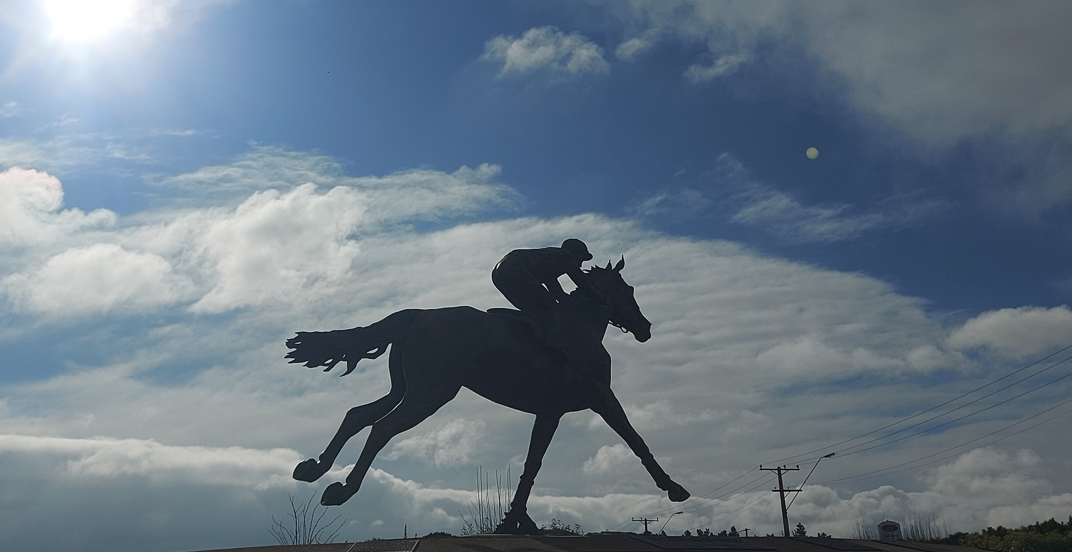
At the Timaru memorial, his hoof is positioned over Timaru on a map of New Zealand, linking the world-famous racehorse back to where his story began.
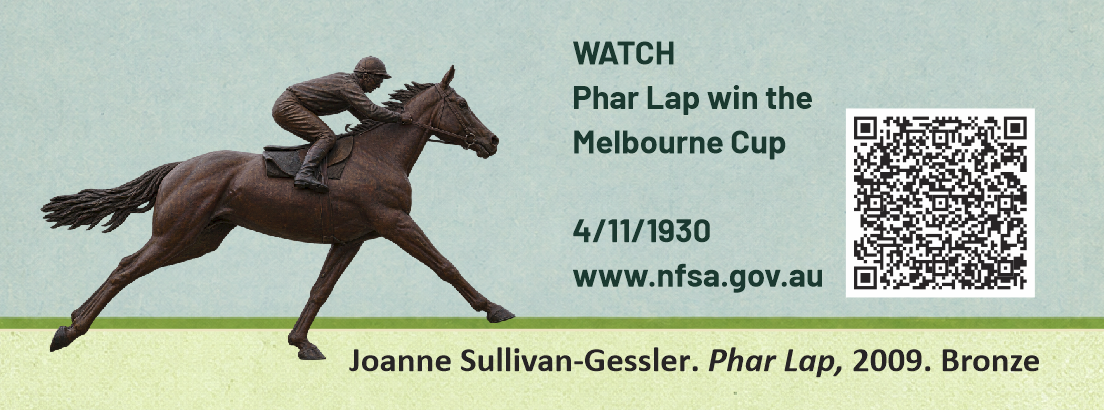
Joanne Sullivan Gessler Phar Lap 2009 Bronze

https://www.nfsa.gov.au/collection/item/phar-lap-wins-1930-melbourne-cup-tri-screen-view

 

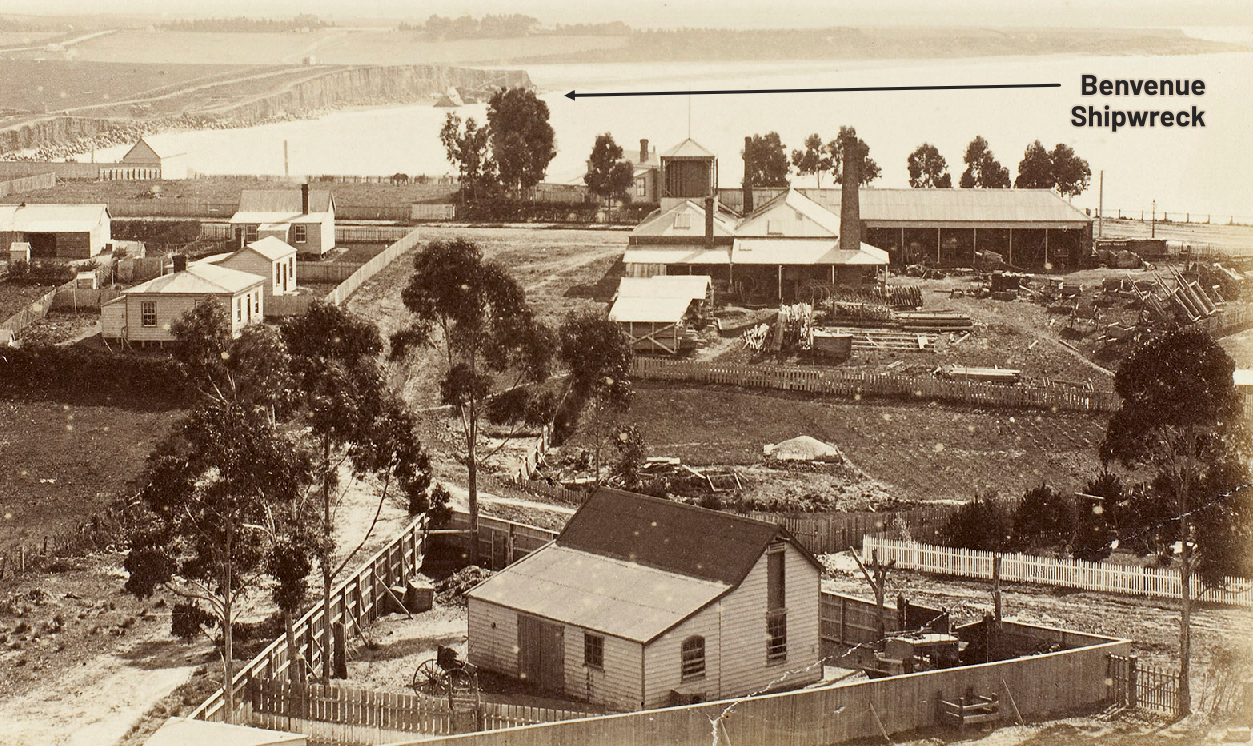
1880s Looking over the Bay Hill Te Papa O 034179 section of photo

1880s: Looking over the Bay Hill. Te Papa (O.034179)
2026: Now the Bay Hill Restaurant & Bar, other restaurants and accommodation.

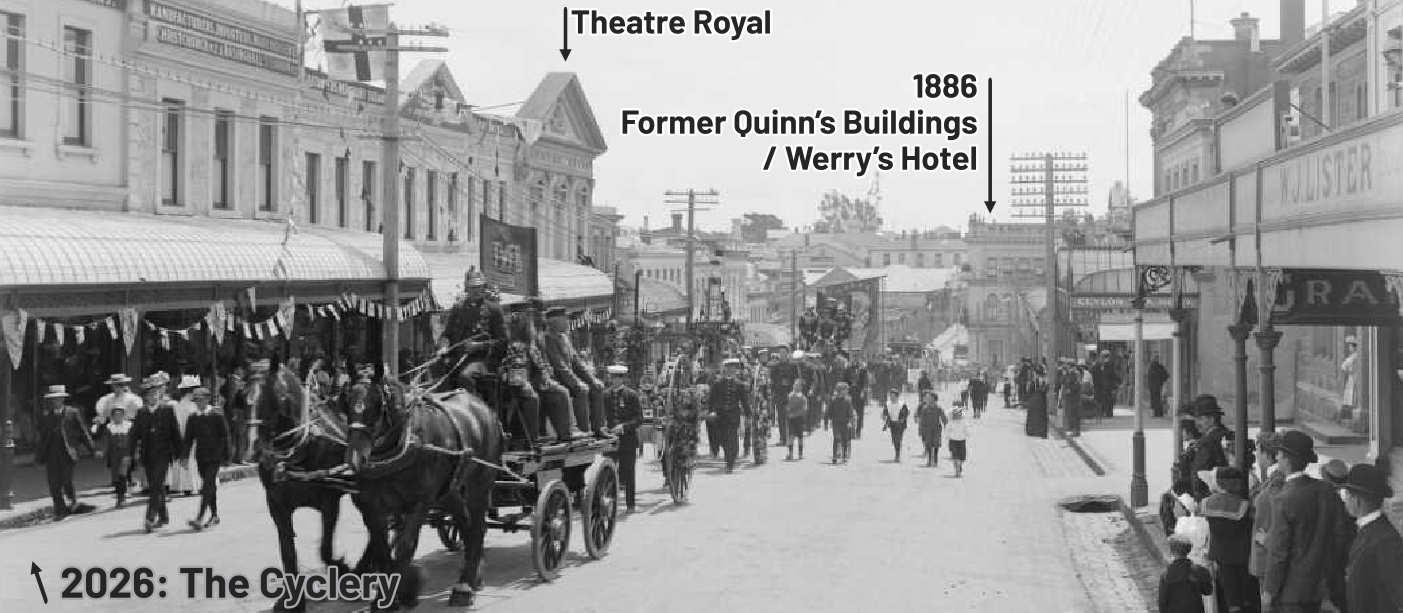
The sea used to reach beneath the cliffs at the Bay Hill, until the sandy Caroline Bay started forming 1890s. Before underground sewerage, night carts collected human waste, known as “night soil”. Some was dumped from the cliffs into the sea. The Benvenue was wrecked on 14 May 1882. The 1862 Alexandra lifeboat crew rushed to the rescue. It could be transported on its wheeled carriage by horses or manpower. A memorial to the disaster was erected at Sophia and Perth Streets. Timaru’s Central Business District (CBD) was also a parade route, with horses, carts, carriages, bands, motor vehicles and large crowds filling the streets for events, ceremonies and celebrations.

THE JUBILEE PROCESSION FEATURING ALEXANDRA LIFEBOAT AND A HORSE-DRAWN BUGGY
WATCH: REF F7142 STAFFORD ST. 1928 By F.H. Drewitt
https://www.ngataonga.org.nz/search-use-collection/search/F7142/

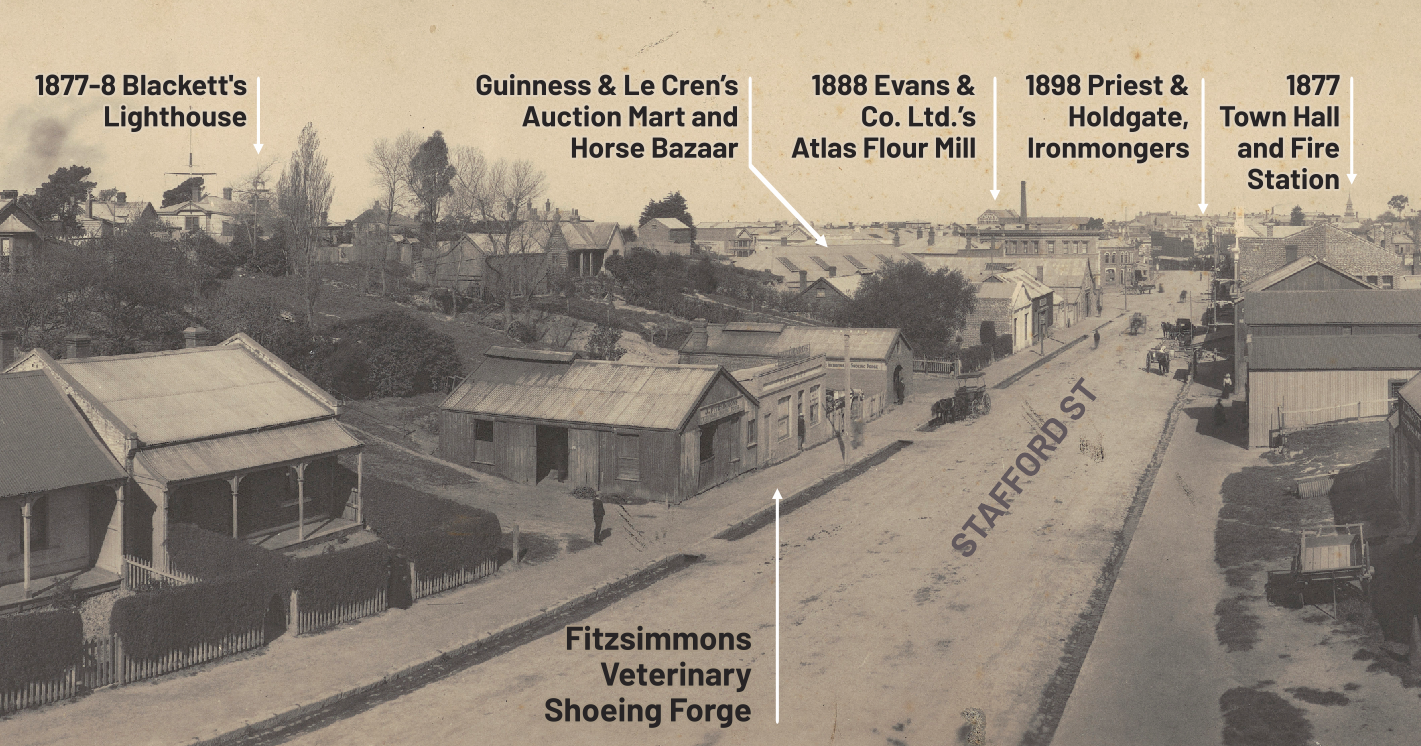
1902 Te Papa O 051719 left section

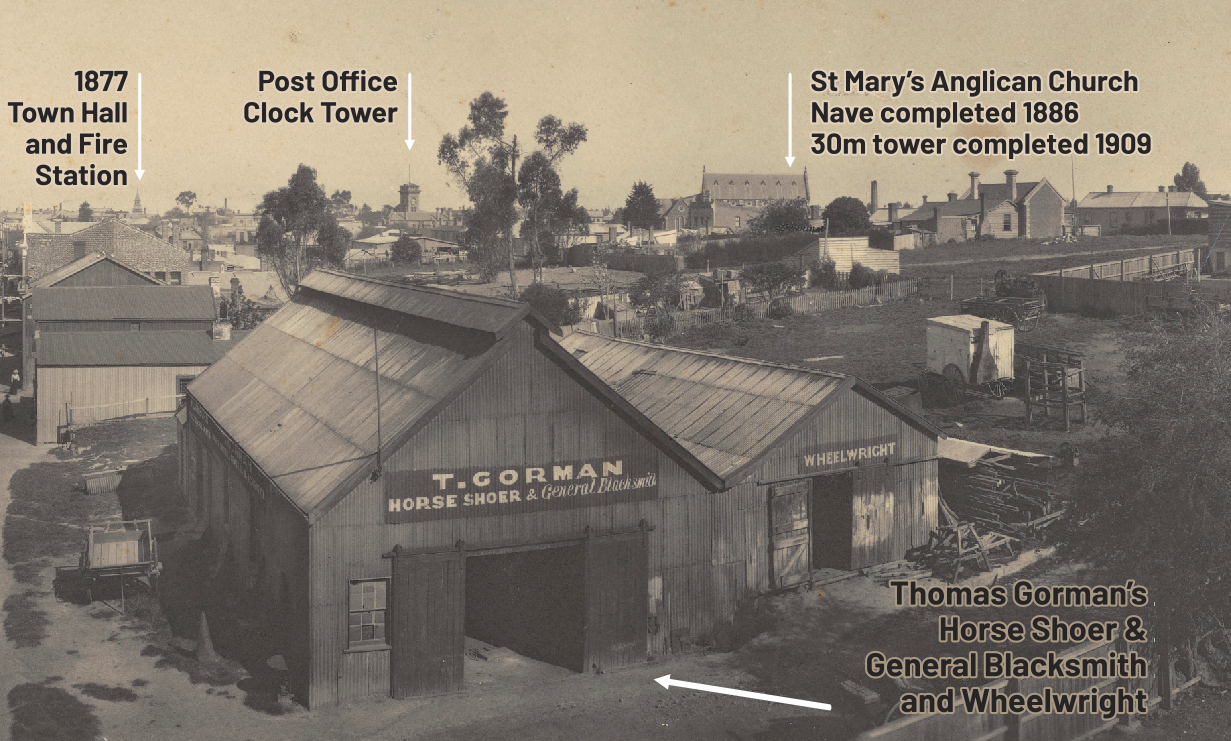
2026: Timaru Booksellers  just north of here.  Soul & Co and The Menswear are where Fitzsimmons Forge used to be. 

Bob Fitzsimmons (1863–1917), known as ‘The Fighting Blacksmith worked for his family on Stafford St and in the 1880s learned to box at the Beswick St Saloon. He said working at the forge and managing horses gave him a competitive advantage in the ring. He moved to Timaru with his family from Cornwall in 1873, aged 10, grew up at 45 Grey Rd, and attended Main School.
Bob became the sport’s first three-division world champion in 1903. His 1897 world heavyweight title fight was the first championship fight filmed in full and became cinema’s first feature-length film. Bob returned to Timaru in 1910, welcomed by 1,000 people at the railway station. He visited family, the old Stafford St forge, and watched his fights on film at the Theatre Royal for a civic reception. He died in Chicago in 1917, aged 54.

WATCH Bob Fitzsimmons fight James J. Corbett for the world heavyweight championship when boxing was banned in many states.
CARSON CITY, NEVADA, 17/03/1897  https://archive.org/details/TheCorbettFitzsimmonsFight


1909 A horse and donkey hitched to a wagon taking part on the Jubilee Celebrations South Canterbury Museum 2755

1909 A horse and donkey hitched to a wagon taking part on the Jubilee Celebrations. South Canterbury Museum (2755)


1902 Te Papa O 051719 right section

1902 Te Papa O 051719 right section

In 1926, the pasture, oats and chaff needed to feed a six-horse team were estimated to require 40 to 50 acres of Canterbury farmland. Timaru Borough Council still employed a stableman-blacksmith in 1926 and was using horse teams to collect rubbish two years later. Many early NZ settlements developed about 26 km apart, roughly a day’s travel by horse. In 1911, horses reached their peak, with 404,284 horses, about one for every three people. By 1926: one for every four. By 1950: about one for every ten.

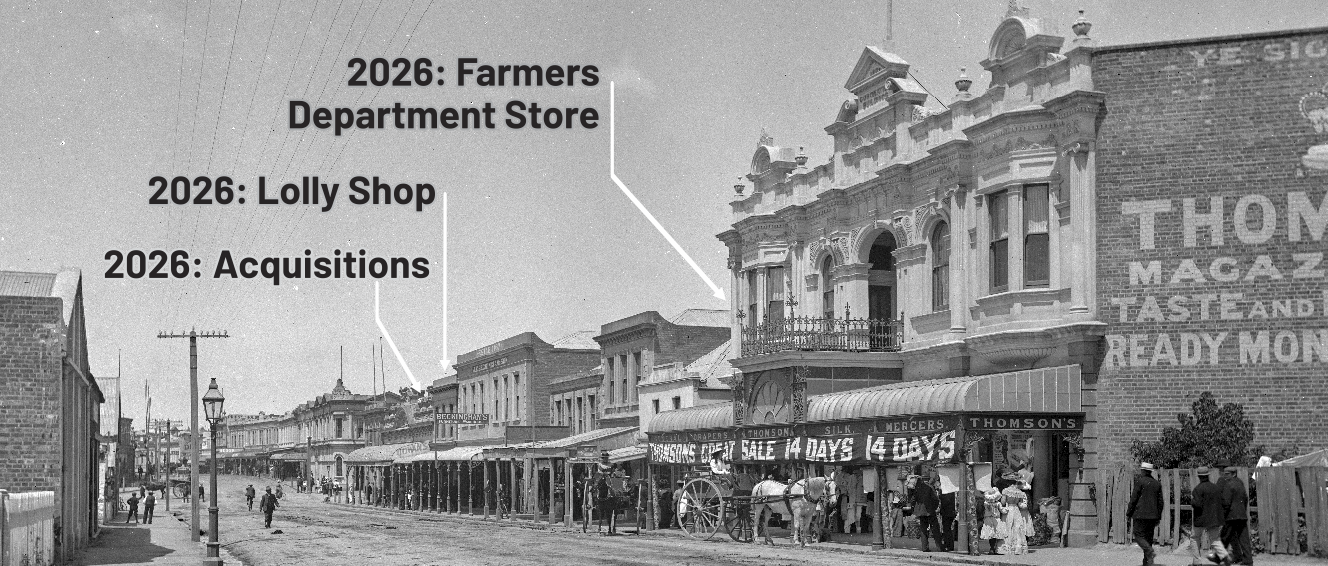
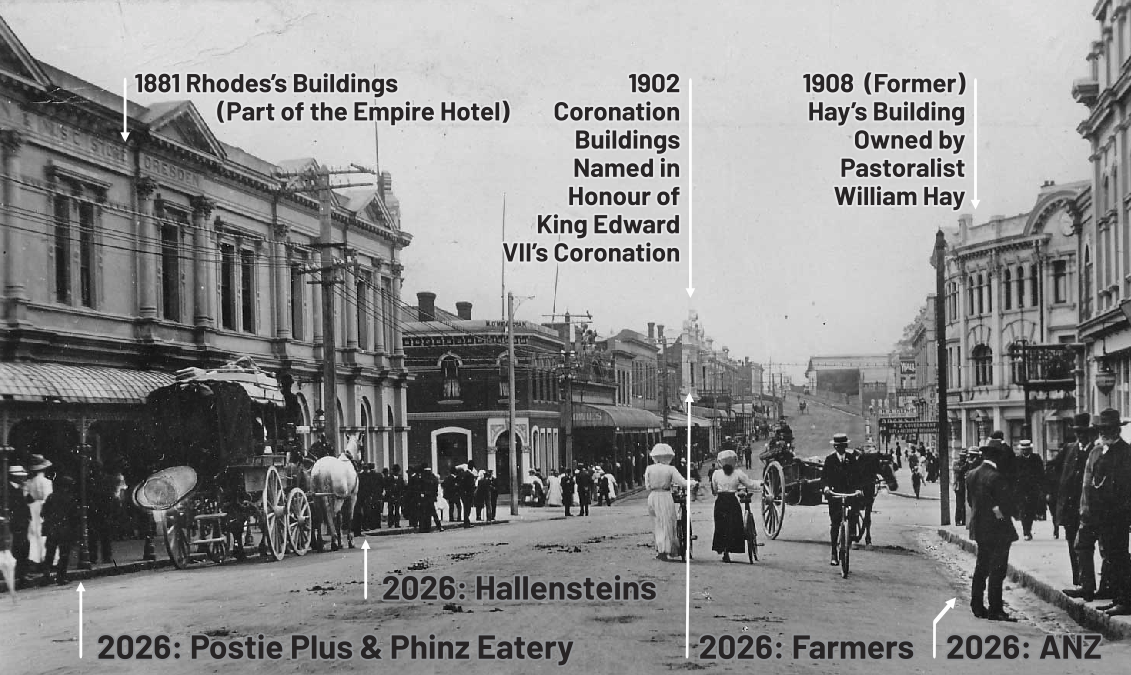
1905 Stafford St Thompsons General Drapers Te Papa C 014426

1905 Stafford St. Thompson’s General Drapers. Te Papa (C.014426)

T & J Thomson, est. 1883, sold clothing, fabrics, millinery and household goods from the Coronation Buildings in 1903. Hay’s Department Store bought the business in 1961. The property was bought by Farmers Trading Co in 1982. O’Meeghan’s Buildings opened next door in 1912, with shops, an auction mart and the upstairs Choral Hall for dances, concerts and public meetings. In 1915, the Grand Theatre cinema opened behind. It became the Regent in 1931. Phar Lap never raced in NZ, but his victories reached our screens. Cinema audiences all over the world watched films of the Timaru-born champion winning at raceways.

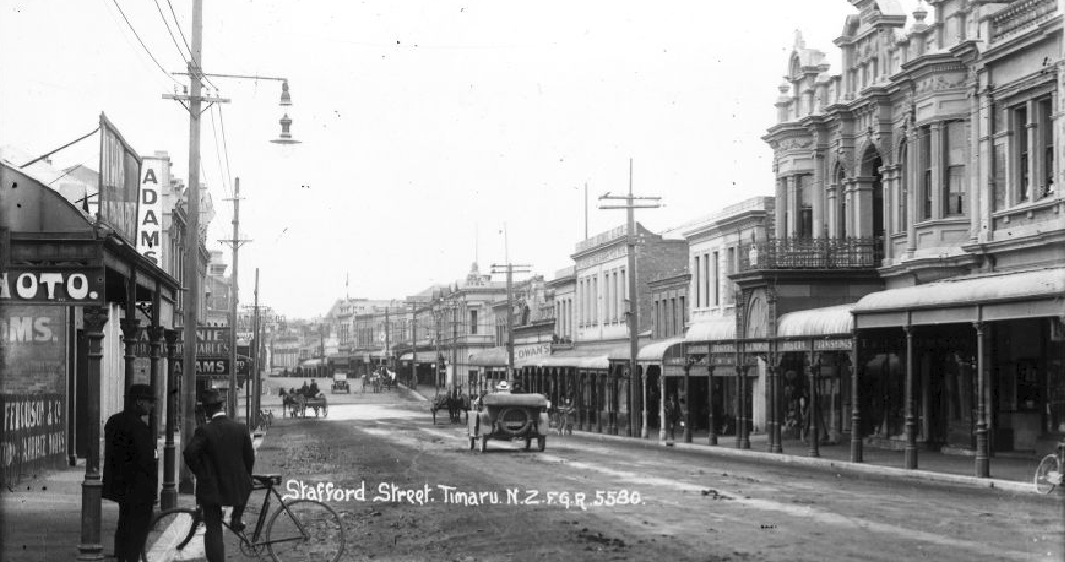
c1915 Stafford St Alexander Turnbull Library 12 006892 G

c1915. Stafford St. Alexander Turnbull Library (1/2-006892-G)

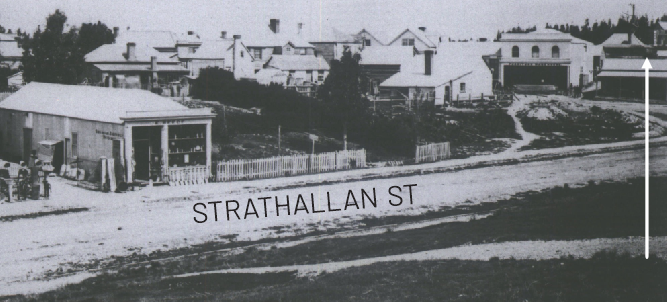
Strathallan St pre 1868 fire Hocken Collections 23481

Hocken Collections (23481)

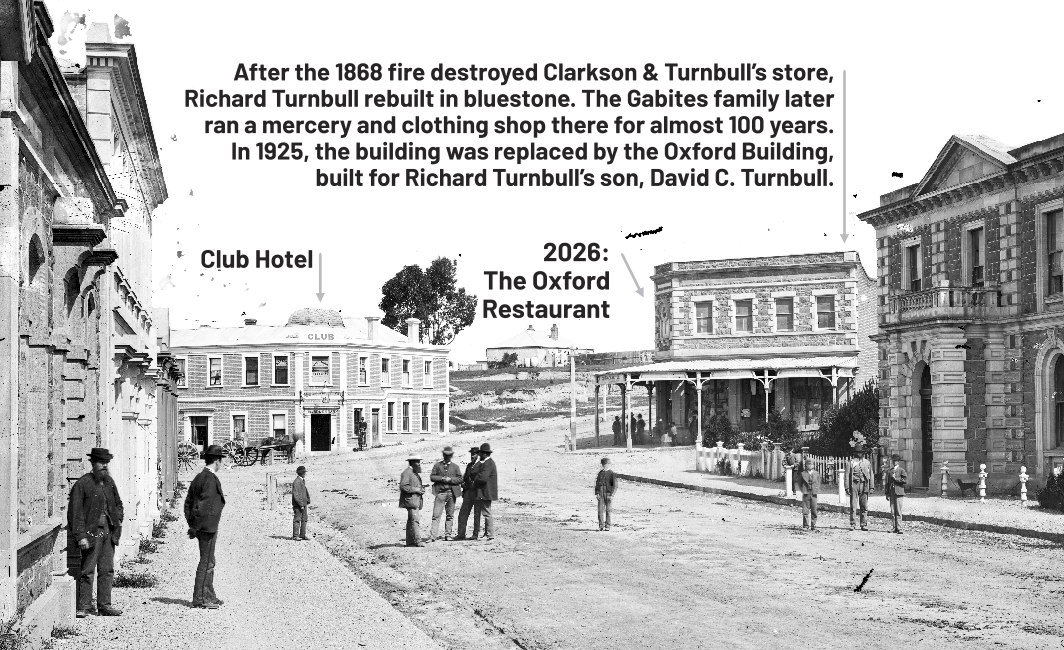
7/12/1868: A fire fanned by hot nor-west winds destroyed 39 wooden buildings (three-quarters of the CBD) in just three hours. Regulations followed, requiring CBD buildings to be constructed in brick and stone, making way for the Victorian and Edwardian heritage-style buildings. The fire started in a cabinetmaker’s workshop behind D. Munro’s Furniture Warehouse, now Hallensteins, and spread south towards the Theatre Royal.

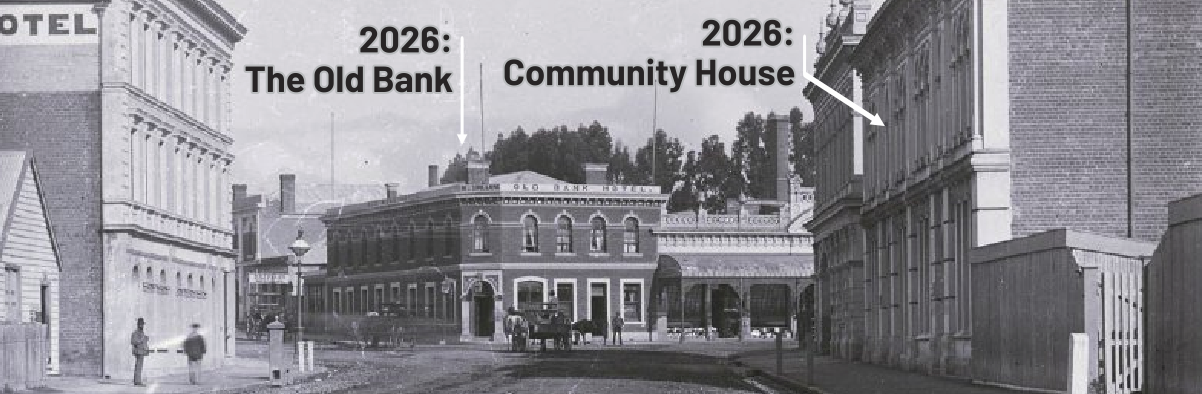
South Canterbury Museum 4694 old bank and strathallan corner

1886. Strathallan St to Stafford St. Left: The Ship Hotel. Center: Old Bank Hotel. Right: Maclean & Stewart’s Horse Bazaar (now Community House). South Canterbury Museum (4694)

1876 The brick Old Bank Hotel opened here, replacing an earlier tavern on the site. BNZ had opened its first Timaru agency here in 1862, before building a wooden bank on the corner of Stafford and George Streets in 1863 which was destroyed in the ‘Great 1868' fire. The Old Bank Hotel became part of Timaru’s racing world in 1887, when its licensee employed a barman at the Timaru races. In 2003 the Old Bank Café & Bar sponsored a 1200m race at Phar Lap Raceway.

The Maclean & Stewart’s Horse Bazaar was built in bluestone in 1878–79. Here draught, hunting and racing horses were bought and sold. In 1908 the building became a motor garage.

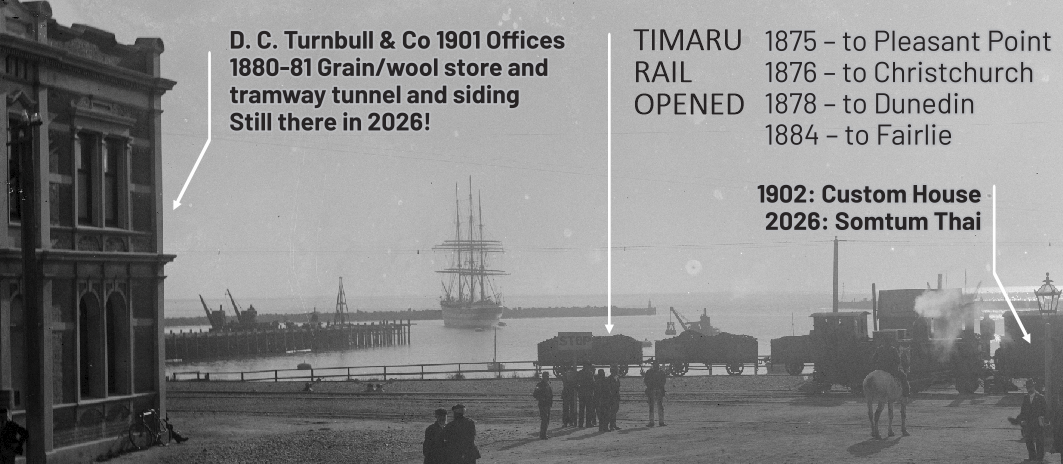
Foot of Strthallan St Te Papa C 014801

Looking East to the harbour from the foot of Strathallan St. Strathallan St was named after the Strathallan, the first immigrant ship to sail from the UK to Timaru. It arrived in 1859 with 110 immigrants. Te Papa (C.014801)

Timaru was a centre of exchange, linking South Canterbury farms with local businesses and overseas markets through its port and railway.

At the foot of Strathallan St, the first landing service, known as the Government Landing Service and established by Henry Le Cren and Captain Henry Cain, moved people and cargo between ships and shore from 1858. Timaru became an official Port of Entry in 1861, with Customs recording trade and collecting duties. Breakwater construction began in 1878 to create a safer and more efficient harbour.

As trade grew, warehouses, offices and shops were built nearby. Farmers came to town for seed and supplies. In 1901, D. C. Turnbull & Co took over the former Miles, Archer & Co complex and established its offices there, linking farms with merchants, rail and shipping.

View to the North from Stafford Church and Strathallan corner Robert Bowie Collection

View to the North from Stafford, Church and Strathallan corner. Robert Bowie Collection

In 1871, Timaru Borough Council introduced early taxi and delivery rules, regulating and licensing passenger vehicles “plying for hire” so those using the town’s roads could contribute towards the upkeep.

By 1874, James King’s Timaru Horse Repository hired out horses and buggies, provided livery and feed, and broke horses for saddle or harness. W. W. Wade’s saddlery advertised its business over the road. In 1877, George Sneath’s Lynwood Hotel offered an express wagon, a hansom cab, a horse-drawn taxi, and stables where the Timaru District Council is today.

The early CBD evolved around horses. Motor vehicles reshaped the town and businesses adapted. In 1902, Frank Brown and Duncan Scott bought some of Timaru’s earliest Oldsmobiles; by 1909, Miss Durand owned a 14–20 h.p. Siddeley, making her one of South Canterbury’s early women motorists. The South Canterbury Automobile Club formed in 1905, followed by the Automobile Association in 1913.

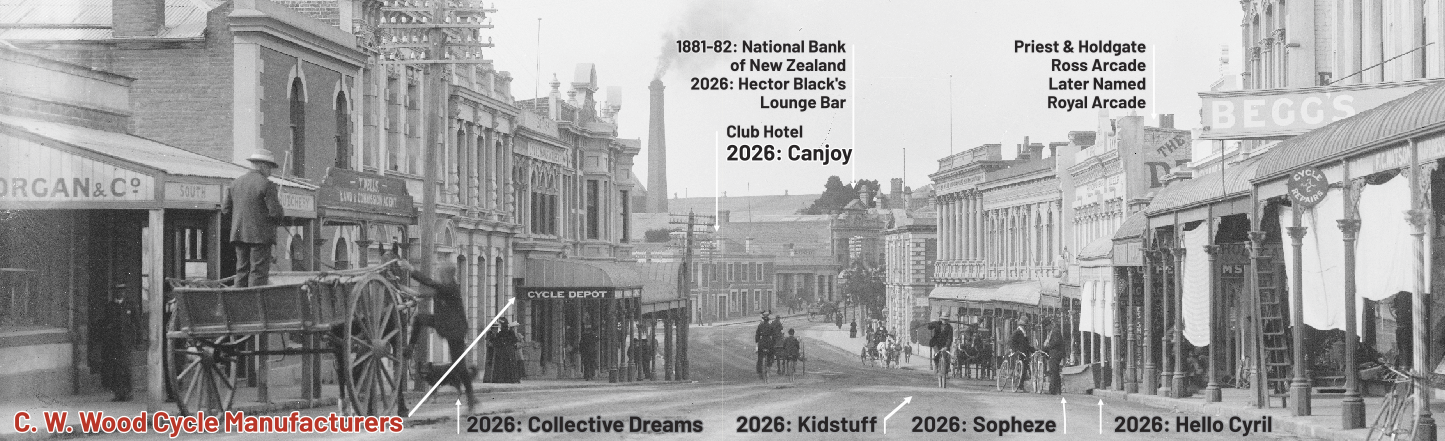
View of Stafford Street Te Papa C.014724

Brehaut Brothers took over the cycle business in 1910. By 1921 Wood had formed the Cecil Wood Company on Sefton St, becoming a Ford dealer. Timaru became one of three Ford assembly centres in NZ. Its Sophia St plant employed 152 people and could turn out around 18 vehicles a day. Te Papa (C.014724)

South Canterbury was also home to inventors. By 1926, the year Phar Lap was born, horses, carts, bicycles and motor cars all shared the CBD. Blacksmiths, workshops, merchants and stables still shaped the town, but new technology was changing how people moved.

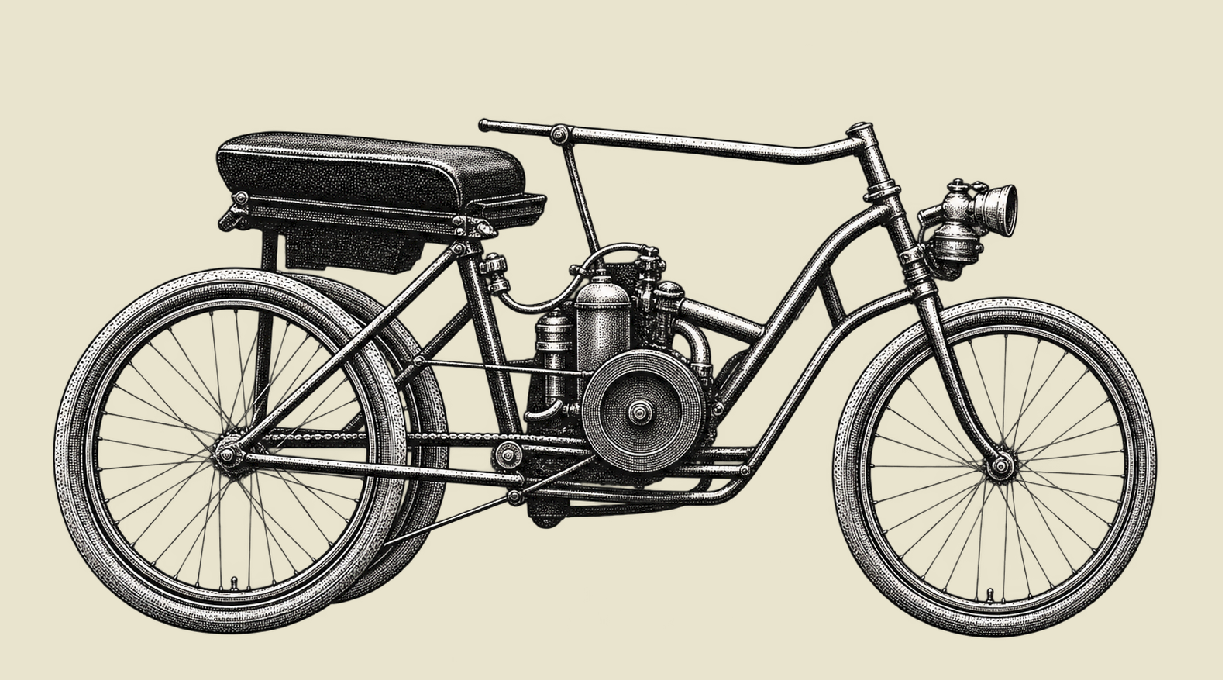
c. 1901: Cecil Wood, born in Timaru in 1874, built one of New Zealand’s earliest locally made motor vehicles: an engine-powered three-wheeler with a two-horsepower motor. It reportedly first ran in Timaru on 4 June 1901. The Brehaut brothers worked for Wood and also helped build his three-wheeler. c. 1903: Richard Pearse, born near Temuka in 1877, made early powered take-offs in an aircraft he designed and built near Waitohi. Wood helped him make engine components on Stafford St.

Cecil Woods engine powered three wheeler AI illustration based on a photograph Tourist Cycle Works

By April 1903, C. W. Wood & Co. was advertising itself as Timaru’s motor factory. Cecil Wood’s engine-powered three-wheeler. AI illustration based on a photograph "Tourist Cycle Works” Jublilee History of South Canterbury by Johannes C. Andersen, 1916, p. 468.

1869 A Velocipede Club formed in Timaru and ordered a bicycle from Melbourne. These early pedal-powered bicycles had heavy frames and wooden wheels and became known as “boneshakers”.


Farmers, blacksmiths, builders and engineers came to the CBD for tools and machinery. Priest & Holdgate’s Vulcan Warehouse imported ironmongery, tools and agricultural machinery, including reapers and binders, while also making iron and tinware locally. Heavy stock was moved through the basement of what is now the Royal Arcade on a rail trolley. The firm also sold pressed-metal ceilings, examples of which still survive in the former Royal Arcade premises. By 1911, Priest
& Holdgate were Timaru agents for products supplied through Briscoe & Co. Briscoes N.Z. bought the business in 1950, and the shop closed in 1971.

Horses also feature in myths and legends across many cultures, often linked with power, travel, war and the gods. Vulcan was the Roman god of fire, metalworking and the forge, and a patron of smiths and craftspeople.

Photographer William Ferrier had a studio in the Royal Arcade and took many photographs of Timaru.

The Royal Arcade. The right-of-way became Timaru Borough property in 1934.

1875 Intersection of George and Stafford Sts looking south east Te Papa C 014371

1875 Intersection of George and Stafford Sts, looking south-east. Te Papa (C.014371)

South Canterbury developed a powerful export economy built on wool, wheat and frozen meat. By 1913, Canterbury held half of New Zealand’s wheat-growing land, and South Canterbury was known as the country’s “food bowl”. That prosperity flowed through Timaru’s CBD and can still be seen in its built heritage.

The Oxford Building opened in 1925, between the two world wars, amid rapid change in technology, transport and business. Four years later came the 1929 Wall Street Crash, followed by the Great Depression.

2026: South Canterbury has just 1.2% of New Zealand’s population, yet produces 6.2% of its food and fibre exports. The CBD remains a hub for shopping, hospitality, services, tourism and jobs, supporting the national economy.

Constructed between WWI and WWII The Oxford Building opened a year before Phar Lap was born. The Wall Street Crash followed in 1929, as the world slid into the Great Depression.

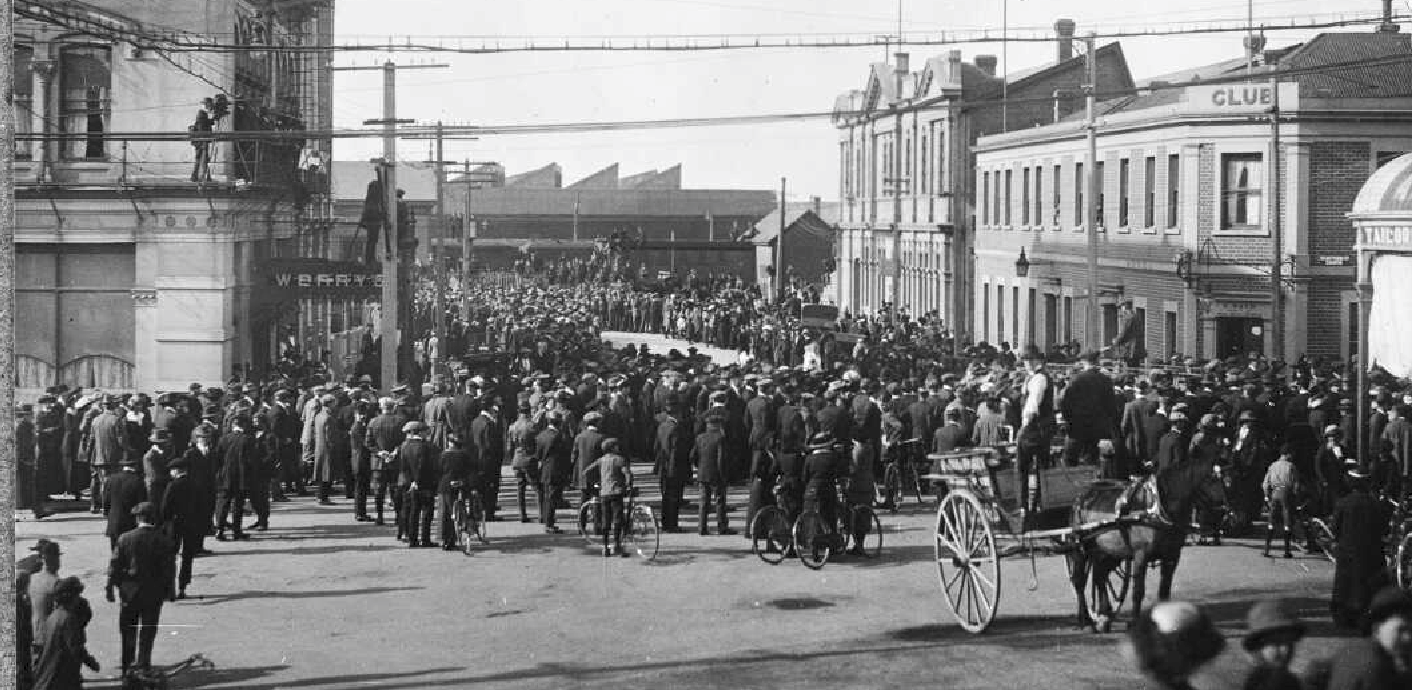
1914 Crowds gather as people leave for war at the Timaru Railway Station Alexander Turnbull Library 1 2 049274F

1914. Crowds gather as people leave for war at the Timaru Railway Station. Alexander Turnbull Library (1 2-049274F)


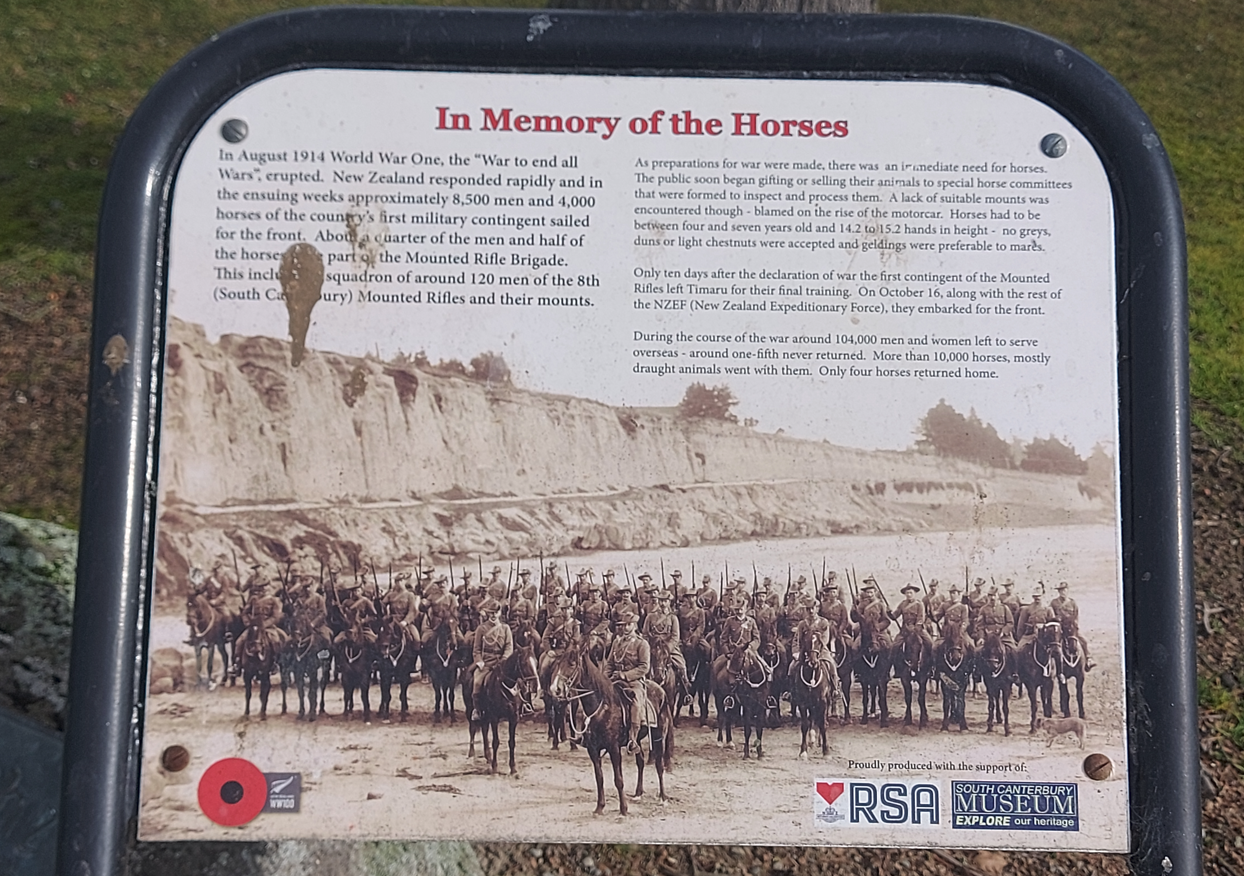
For thousands of years, horses carried soldiers and hauled chariots, artillery, wagons, ambulances and supplies. New Zealand sent about 8,000 horses to the Boer War, 1899–1902. In 1900, the Timaru Agricultural and Pastoral Show (A&P) included troop-horse classes and military drill.

During the First World War, 1914–1918, New Zealand acquired more than 10,000 horses for military service. More than half carried mounted troops and officers, while nearly 4,000 draught, heavy-draught and packhorses hauled artillery and supplies. Many died overseas and only four returned to New Zealand. Military horse traditions continued after the war.
Timaru A&P still judged troop and field-artillery horses in 1922, and troop horses were judged at the Temuka and Geraldine A&P Show in 1926, the year Phar Lap was born. Horse classes continue at A&P shows today, including led and ridden classes, hunters and show jumping.

Horses were also part of everyday life. Many children rode horses or ponies to school. Timaru Girls’ High School converted its horse paddock into a playing field in 1926, and in 1933 girls in T. D. Burnett’s “best all-round girl” competition had to saddle and bridle their horses, mount, dismount, trot and canter.

During the hardest years of the Great Depression in the early 1930s, Phar Lap’s victories gave many people something to cheer about.

By the Second World War, 1939–1945, New Zealand’s military had largely shifted from horses to motor vehicles, though horses were still used for training at home and pack animals remained useful overseas.

Sign for Horses in the war at Phar Lap Monument

Sign for Horses in the war at Phar Lap Monument 

Timaru Landing Service George St Hocken Collections 23485

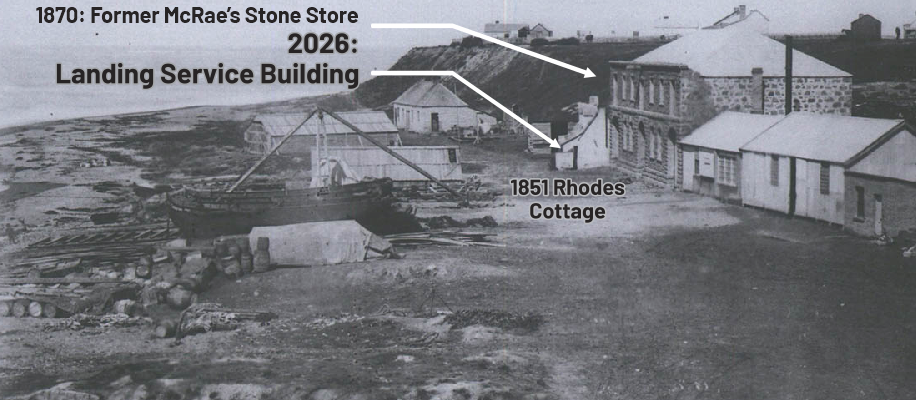
This 1868 William Ferrier photo shows the cottage built for George Rhodes and his employees in 1851 at the foot of George St. Supplies were landed and wool shipped from the Rhodes brothers’ sheep runs to the world. Hocken Collections (23485)

Timaru was once two towns: Rhodes Town north of North Street and Government Town to the south. Rhodes Town became the commercial heart of today’s CBD. The Rhodes brothers helped establish colonial Timaru around their landing place, where surfboats ferried people and supplies between ships and the shore. In 1857, Captain Henry Cain established a store and improved the landing service. He became Timaru’s second mayor; surveyor Samuel Hewlings, who laid out Government Town, was the first in 1868. Horses carried people and supplies, worked the runs and linked inland stations with the coast. George and Elizabeth Rhodes moved to The Levels, near Pleasant Point. In 1855, John Sidebottom and Māori shepherds Taiko and ‘Seventeen’ caught James Mackenzie with about 1,000 sheep missing from the Rhodes brothers’ Levels Station. He was convicted then pardoned in 1856. This drew attention to the farming potential of the inland country later known as the Mackenzie Country.

By 1856, former whaler Sam Williams (Timaru’s first licensed publican), his wife Ann, daughter Rebecca and son William were living in the George Street cottage, operating a store, selling liquor and providing accommodation for travellers. The first edition of the Timaru Herald was later printed in the kitchen of the George Street cottage on 11 June 1864.

1911 Parade for the coronation of George V King of the British Empire Tiaki 692645

1911: Parade for the coronation of George V, King of the British Empire. Tiaki  (692645)

Timaru had a Municipal Council from 1865, while Road Boards managed roads in surrounding districts. Major public works and much of their funding were still controlled by the Canterbury Provincial Government in Christchurch. In 1867, the Timaru and Gladstone Board of Works was created to give South Canterbury greater control over regional works and a share of locally raised land revenue, with the Municipal Council and four Road Boards appointing representatives.

By 1874, the Board oversaw bridges, the railway and completion of its offices on what is now Stafford St, while road haulage still relied on horse and bullock teams.

The Board ended with the abolition of provincial government in 1876
and its remaining affairs were wound up. Local councils and Road Boards continued their work. The Timaru Harbour Board was established in 1877, and the Borough Council continued to develop town services, including the Pareora water supply in 1881, major sewerage works from the early 1900s and asphalt on a section of Stafford St in 1922.


FUN FACT: Francis Jollie was Timaru’s first MP in 1861, followed by Alfred Cox in 1866 and Edward Stafford in 1868. Stafford served three times as Premier, and the Great North Road was renamed Stafford Street after him in 1889.

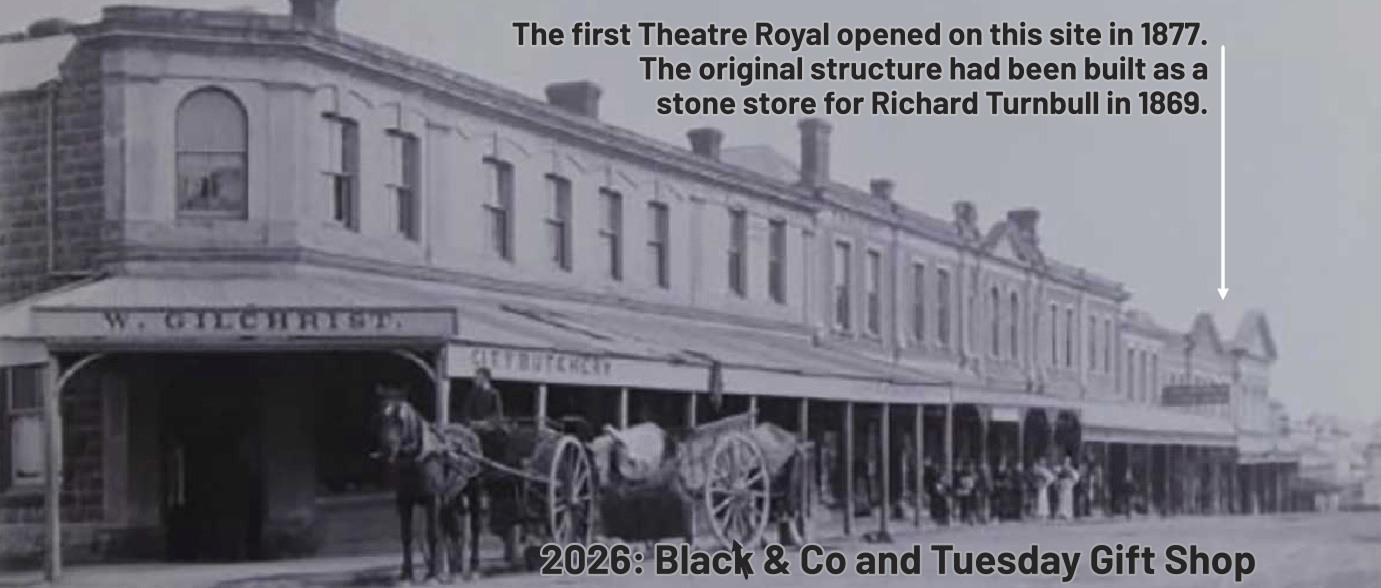
Date unknown W Gilchrist Butchery Private collection

Date unknown. W. Gilchrist Butchery. Private collection

Butchers were part of Timaru’s horse-powered CBD. Walter Gilchrist operated a slaughterhouse at Washdyke and later a Stafford St shop. His business used horse-drawn butcher carts to move meat and serve customers. Rights-of-way gave access behind businesses and enabled horses and carts to make deliveries away from the main shopfronts.

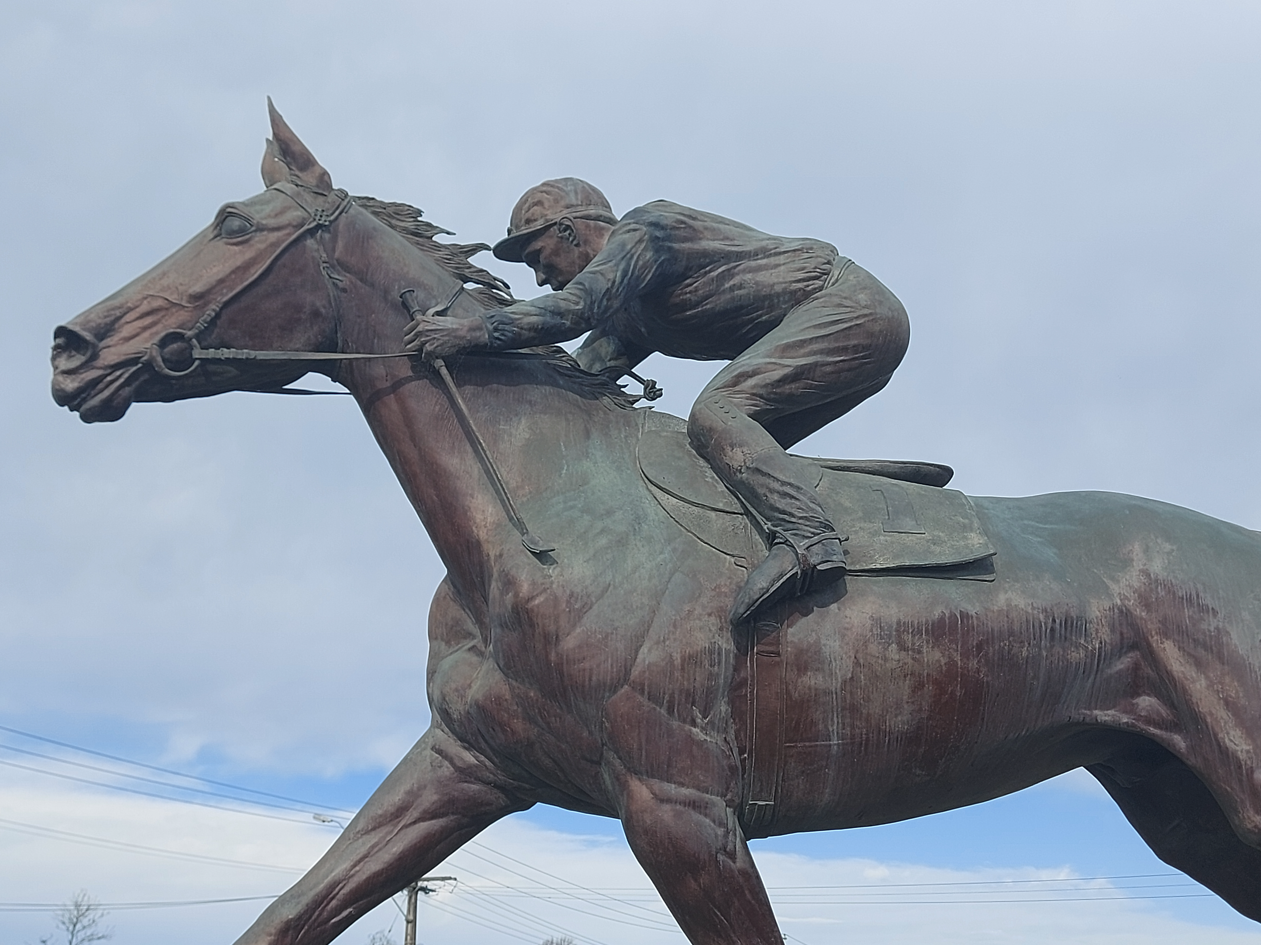
Detail of Joanne Sullivan Gessler sculpture of Phar Lap produced in 2009 in Bronze photo Roselyn Fauth 2026

Detail of Joanne Sullivan-Gessler sculpture of Phar Lap produced in 2009 in Bronze - photo Roselyn Fauth 2026


"This memorial tells the story of the legendary Phar Lap ridden by Jim Pike depicting his enormous 27ft stride on a map of New Zealand with his weight bearing hoof firmly on his birthplace of Timaru, the saddle blanket flaps up revealing the enormously heavy weights that he was handicapped to carry. Jim Pike always rode with a whip in his left hand but never once raised it. The style of riding in those days was distinctive. Riding long, with no goggles for eye protection. The water feature tells of his voyages across the seas. A ring of red roses surrounds the statue, a symbol of great champions and the love bestowed upon Phar Lap. Warmly known as “Big Red” the spirit of Phar Lap lives on in this tribute to a great legend. It was Phar Lap’s mesmerizing achievements that brought hope as he lifted the spirits of nations during the “Great Depression.”


Detail of Joanne Sullivan Gessler sculpture of Phar Lap produced in 2009 in Bronze photo Roselyn Fauth 2026 c

As some of you may be out of town and unable to read the bronze plaques at the Phar Lap memorial in person, I have transcribed the tablets and then summarised their contents into a simple list of facts below. These facts are based on the information presented at the monument, rather than being my own original research. Source: Bronze interpretive tablets at the Phar Lap monument, Timaru. Original tablet text credited to the monument project and authors as displayed on site. Summary and transcription by Roselyn Fauth.

Phar Lap was bred by Alexander Frederick Roberts, a South Island stockman and farmer who retired to Timaru in 1920.
Roberts lived at Park Lane and owned a 300-acre property at Seadown, where he pursued his interest in horse breeding.
In 1924, Roberts bought the English-bred stallion Night Raid for 700 guineas.
He later bought the mare Entreaty, which had come from near Geraldine, for 60 guineas.
Night Raid and Entreaty were mated in 1925, producing Phar Lap.
Phar Lap was born on 4 October 1926 at Seadown, near Timaru.
He was a chestnut colt and was found that morning by stud master John McDonald.
As a yearling he was described as having “an intelligent look”.
He could be temperamental when young, but became quiet and docile with handling.
He reportedly once jumped a 1.5-metre gorse fence and then jumped back again to rejoin the other horses.
He was considered a big, ungainly-looking colt.
Roberts thought his long cannon bones might limit his speed and decided to sell him.
Phar Lap was sent to the 1928 Trentham yearling sales.
He was listed as Lot 41.
He sold for 160 guineas.
Another colt, Honour, sold that day for 2,300 guineas and would later finish third behind Phar Lap in the AJC Derby.
Phar Lap was bought on behalf of American businessman David J. Davis.
Trainer Harry Telford had recommended the horse.
When Phar Lap arrived in Sydney, Davis initially wanted him sold.
Telford persuaded Davis to lease the horse to him for three years.
Phar Lap was gelded and given time to mature.
His early track work was unimpressive.
The name Phar Lap was said to mean “lightning”.
The monument attributes the word to a Zhuang dialect of southern China and credits Chinese medical student Aubrey Ping with providing the translation.
Harry Telford was particularly interested in Phar Lap’s bloodlines.
Phar Lap’s pedigree traced back to Carbine.
His maternal line also traced back to the influential mare Miss Kate.
Phar Lap made his racing debut on 23 February 1929.
He finished ninth in a field of 13.
His first win came at his fifth start on 27 April 1929.
From late 1929, Phar Lap began an extraordinary run of success.
The monument records a 25-month sequence containing 35 wins, four placings and one unplaced start.
Phar Lap won the 1930 AJC Plate.
He won four races in eight days during the 1930 Melbourne Cup carnival.
One of those victories was the Melbourne Cup.
He won the 1931 Futurity Stakes carrying 65 kg.
His final Australian race was the 1931 Melbourne Cup.
He carried 68 kg and finished eighth.
Phar Lap later travelled by sea to North America.
He raced at Agua Caliente in Mexico on 20 March 1932.
The race carried a US$100,000 purse and was described as the richest race in the world at the time.
Phar Lap was recovering from a badly cracked hoof.
He still won in track-record time.
He died just 16 days later, on 5 April 1932.
He died at Menlo Park Stud near San Francisco.
His sudden death became one of the enduring mysteries of racing history.
The monument discusses later testing for arsenic and also presents acute enteritis as a possible explanation for his death.
Phar Lap’s career earnings are disputed because of different ways of converting his Agua Caliente prize money.
The monument gives figures of £66,723 and £70,123.
Phar Lap was affectionately known as “Big Red”.
His memorial sculpture depicts him with jockey Jim Pike.
The sculpture places Phar Lap’s hoof over Timaru on a map of New Zealand.
It also represents his heavy handicap weights, his long stride and his journeys overseas.
The memorial links Phar Lap’s popularity with the Great Depression, when his racing successes gave people something to celebrate.

MA I146046 TePapa Equus caballus full

Horse, Equus caballus, collected 5 April 1932, Menlo Park, California, United States of America. Gift of D.J. Davis & H.R. Telford, 1932. CC BY 4.0. Te Papa (LM000760)

MA I006712 TePapa Equus caballus full

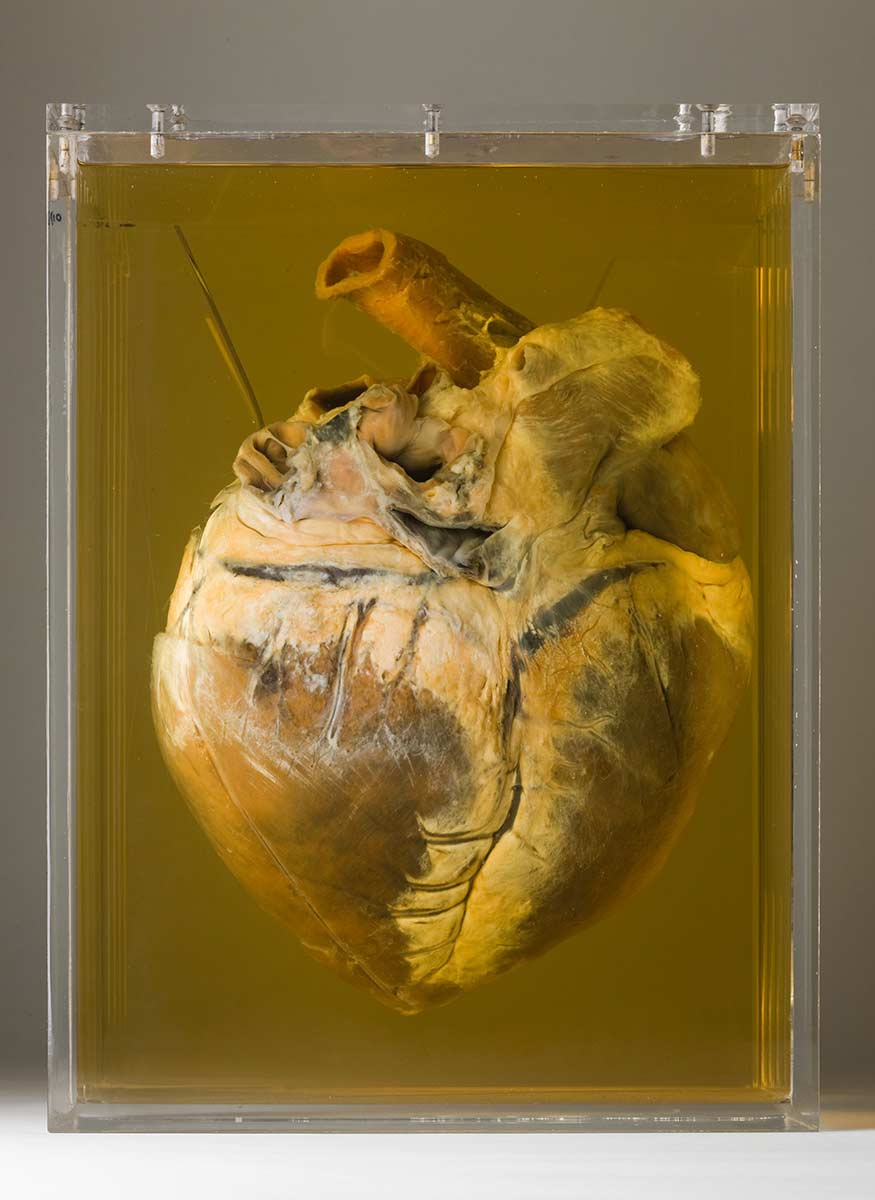
The distribution of his remains reflects the claims on him by both Australia and New Zealand. His heart and his hide went to Australia. The heart, at 6.3 kilograms extraordinarily large by horse standards, is in a bottle in Canberra. The hide is mounted on a model of Phar Lap in the Museum of Victoria. His bones came back to New Zealand, and are with us here at Te Papa.

Horse, Equus caballus, collected 5 April 1932, Menlo Park, California, United States of America. Gift of D.J. Davis & H.R. Telford, 1932. CC BY 4.0. Te Papa (LM000760)

1900s 1930 PharLap 3 1200h

Phar Lap’s heart was removed immediately after death by the stable vet Bill Nielsen, who mounted it in preserving fluid and dispatched it to Sydney. There, it had been requested by Dr Stuart McKay, who had an interest in racehorse physiology and was eager to see what insights the heart might give. Phar Lap's heart was unusually large – 6.2 kg against the average 4 kg size of a horse's heart. A triangular section has been removed, which it is believed was taken for a biopsy. McKay suggested that the heart be donated to the Australian Institute of Anatomy in Canberra The heart is preserved as a ‘wet specimen’ submersed in a formalin solution, sealed inside a rectangular clear perspex container. Other parts of Phar Lap are held by other museums – his skeleton is at the Museum of New Zealand Te Papa Tongarewa, and his hide is at Museum Victoria. https://digital-classroom.nma.gov.au/images/phar-laps-heart

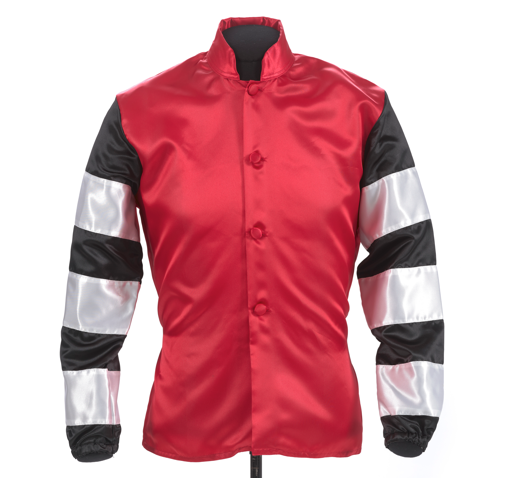
MA I628557 TePapa Jockey jacket replica low res

Part of a set of replica jockey's "silks" as worn in the 1930s, made for display with the skeleton of Phar Lap at Trentham Racecourse. Jockey jacket (replica), 1994, Cambridge, by NZ Racing Wear Ltd. Gift of the Wellington Racing Club, Inc., 1997. CC BY-NC-ND 4.0. Te Papa (GH006334/1)