WuHoo Timaru War Tour Photos RFauth 2026


War can feel far away. Gallipoli, the Somme, Passchendaele, Palestine, Jutland and the Pacific are names from maps and memorials. But in Timaru, war also left marks in places we still pass today.

This tour follows those places. It begins at Pātītī Point, where local volunteers once trained, and moves through the Troopers’ Memorial, Memorial Avenue, school honour boards, Caroline Bay, the port, Smithfield, air raid shelters, Timaru Cemetery, the Botanic Gardens Lone Pine, the RSA and the Lamp of Remembrance.

It is about those who served overseas, but also those who stayed, worked, nursed, taught, waited, objected, supplied, grieved and remembered. It includes men, women and children. It shows how war affected classrooms, families, farms, freezing works, railways, churches, streets and the coast.

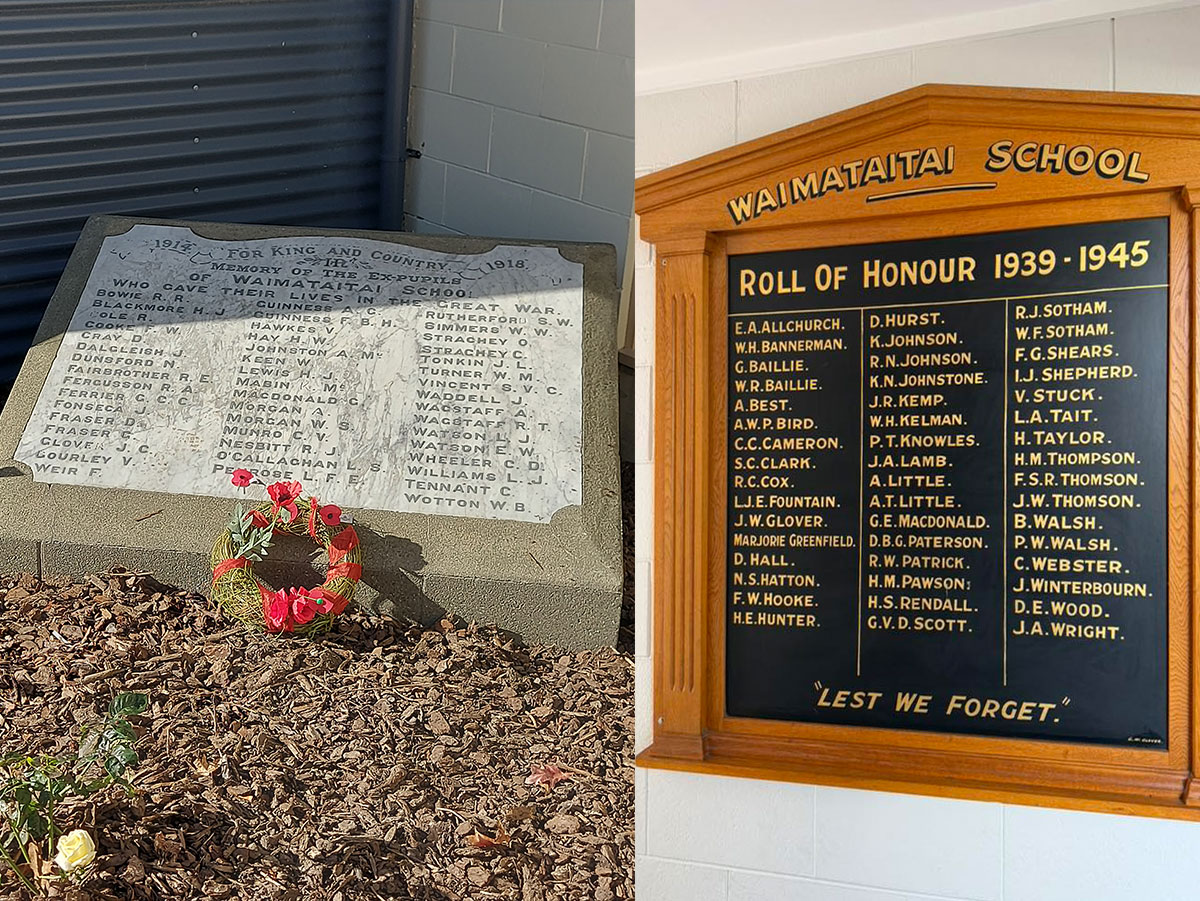
Most of Timaru’s visible war heritage is memorial heritage. Many New Zealand war dead were buried overseas, so communities needed local places to grieve. Schools, gardens, cemeteries and public buildings became places where names could be read and sacrifice remembered.

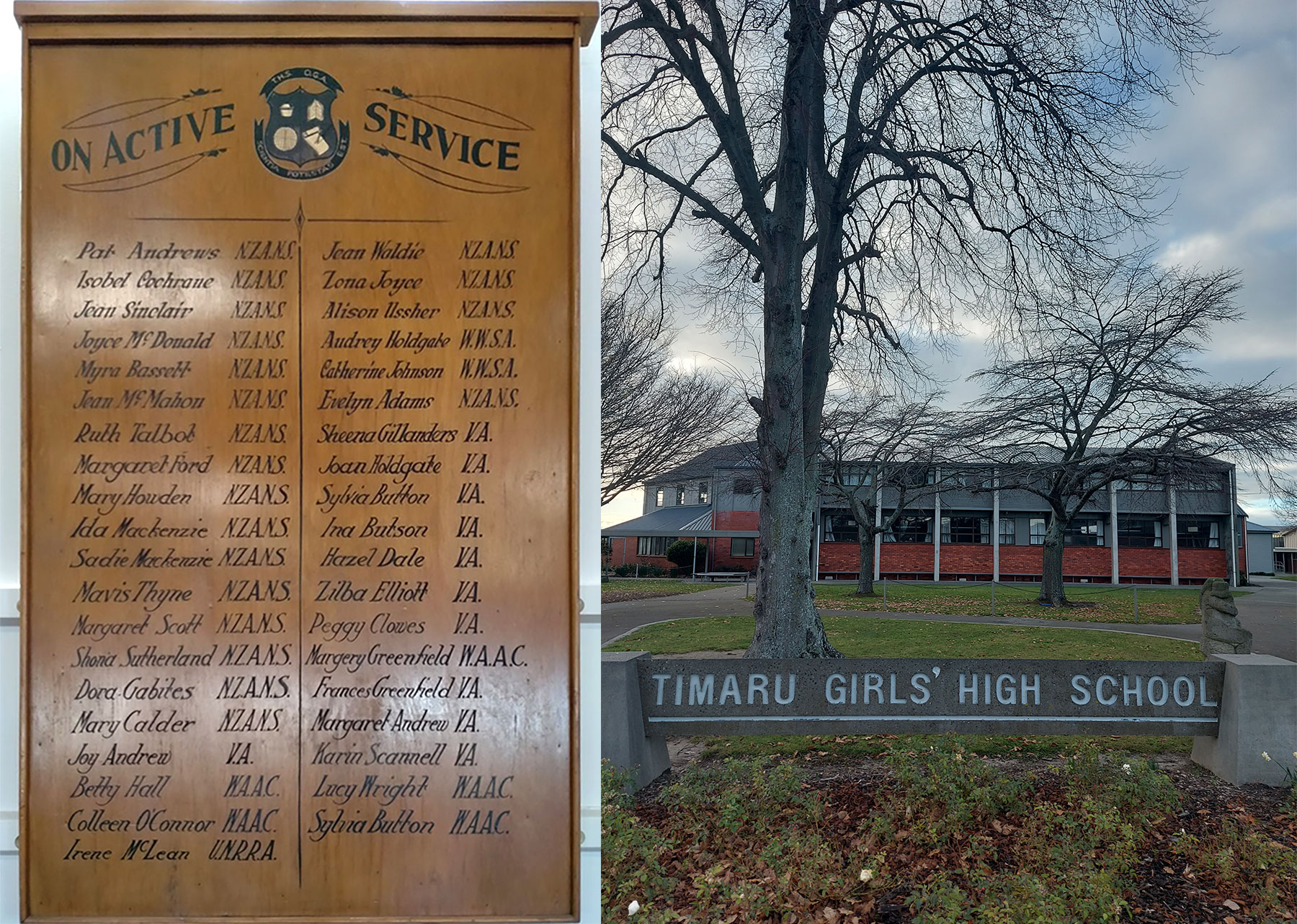
Women and children were central to South Canterbury’s World War I story. Women served in visible, practical and often exhausting ways. Some New Zealand women served overseas as nurses, while many more served locally through patriotic societies, Red Cross work, St John support, schools, churches, guilds, farms, boarding houses and family businesses. In Timaru, Mayoress Florence Guinness led the Timaru Patriotic Society from the council office, helping organise gift parcels, food, warm clothing and Christmas cakes for troops overseas. Women on the land helped keep farms and food production going while men were away, and landladies, mothers, wives, sisters and daughters helped hold households and communities together. Children were also part of the war’s home front. They saw farewells, fundraising, casualty lists, memorials and grief, and schools helped support the war effort. When peace came, children were included in the celebrations, including a large Children’s Day gathering at Caroline Bay. Together, women and children remind us that war was not only fought overseas. It entered homes, classrooms, farms, streets and family memories across South Canterbury.

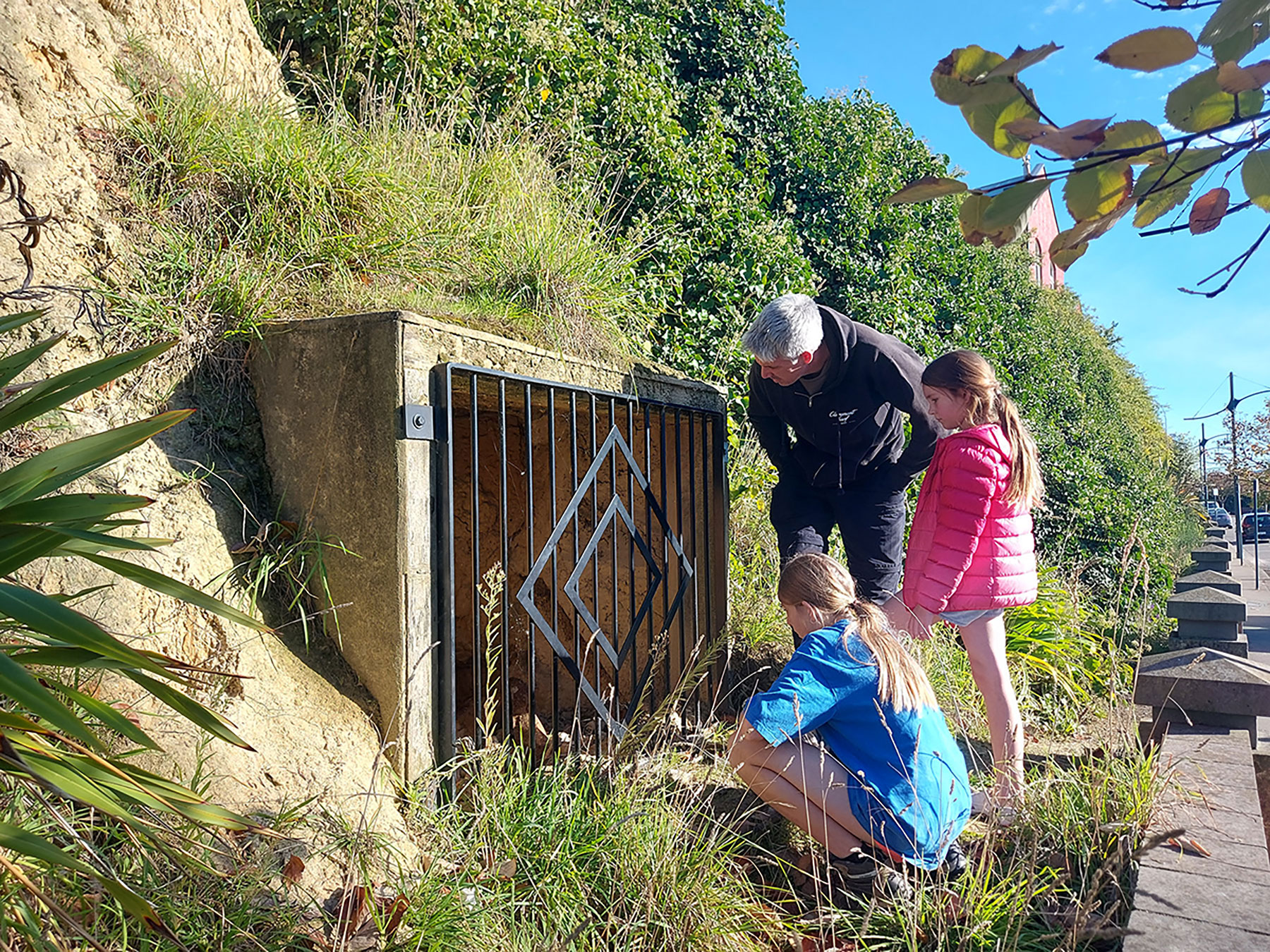
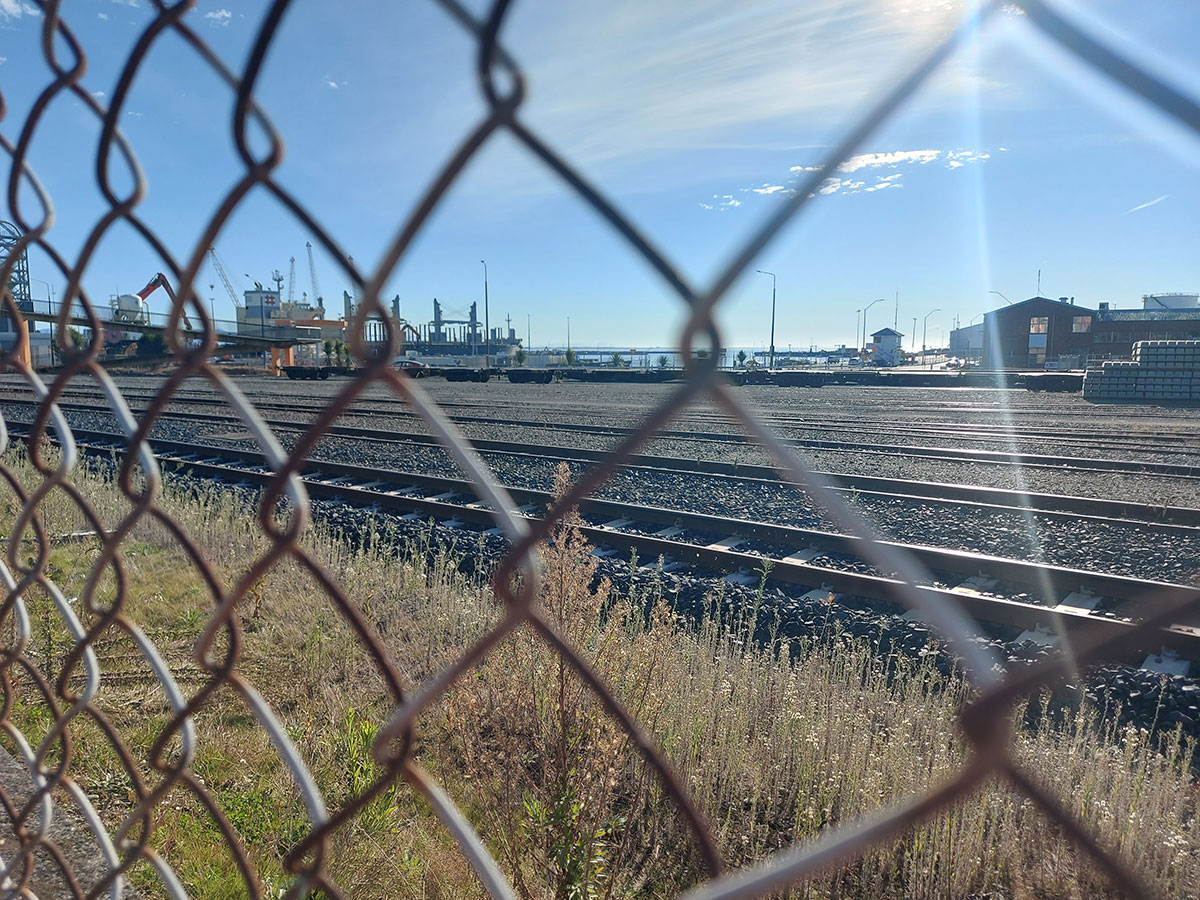
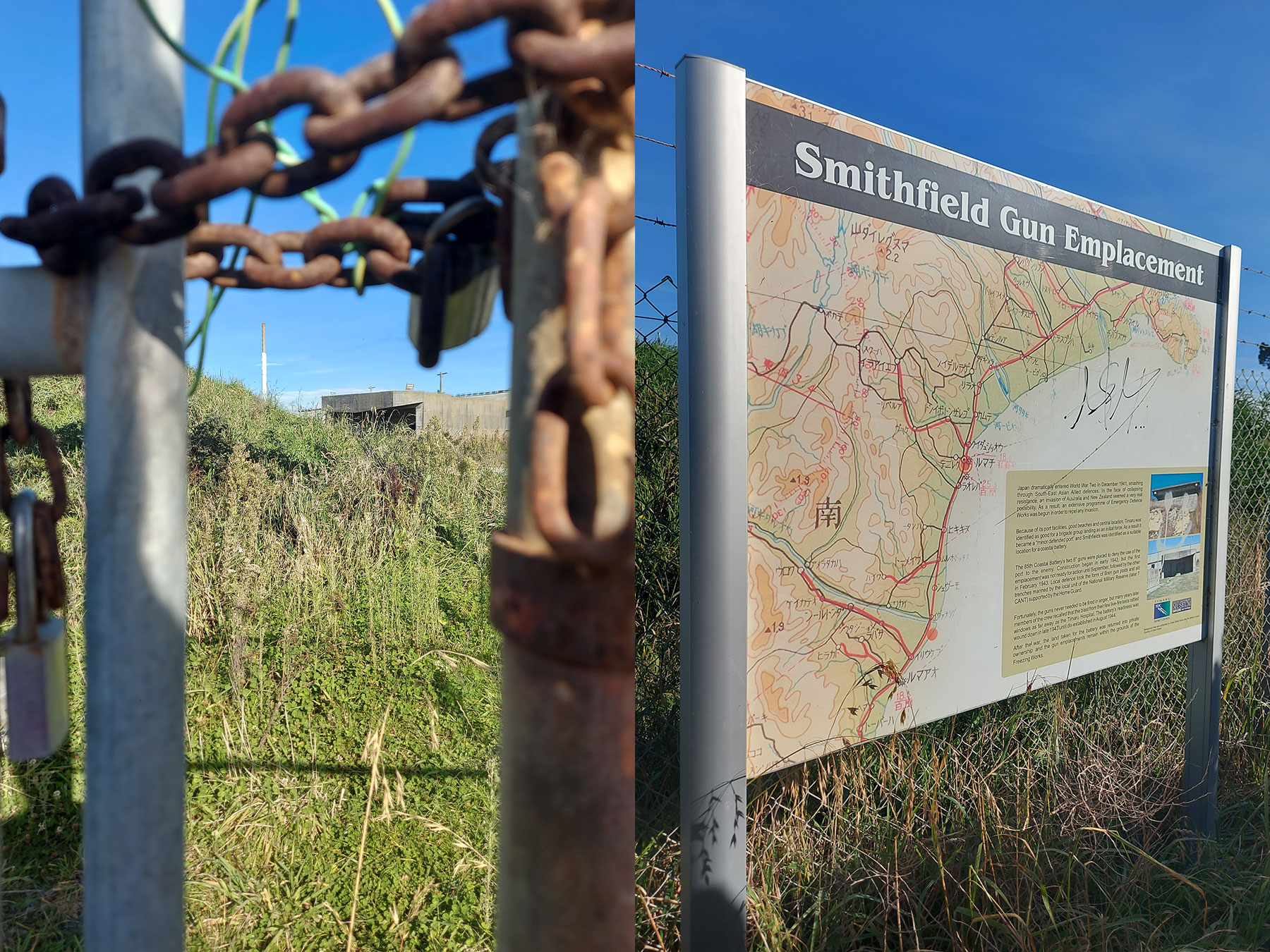
Timaru was not invaded, but during the Second World War it prepared for that possibility. Air raid shelters were built, and coastal defences at Smithfield watched the Pacific.

This tour is a history hunt. It asks us to walk, look closely, read names and ask what these places still teach us about service, sacrifice, loss, duty and peace.

War often feels far away.
Timaru’s places show how close it came.


Visit South Canterbury Museums online exhibit "On the Eve of War" 1914: https://museum.timaru.govt.nz/explore/online-exhibits/enduring-the-inferno-south-canterbury-and-the-first-world-war/1914-south-canterbury-at-war

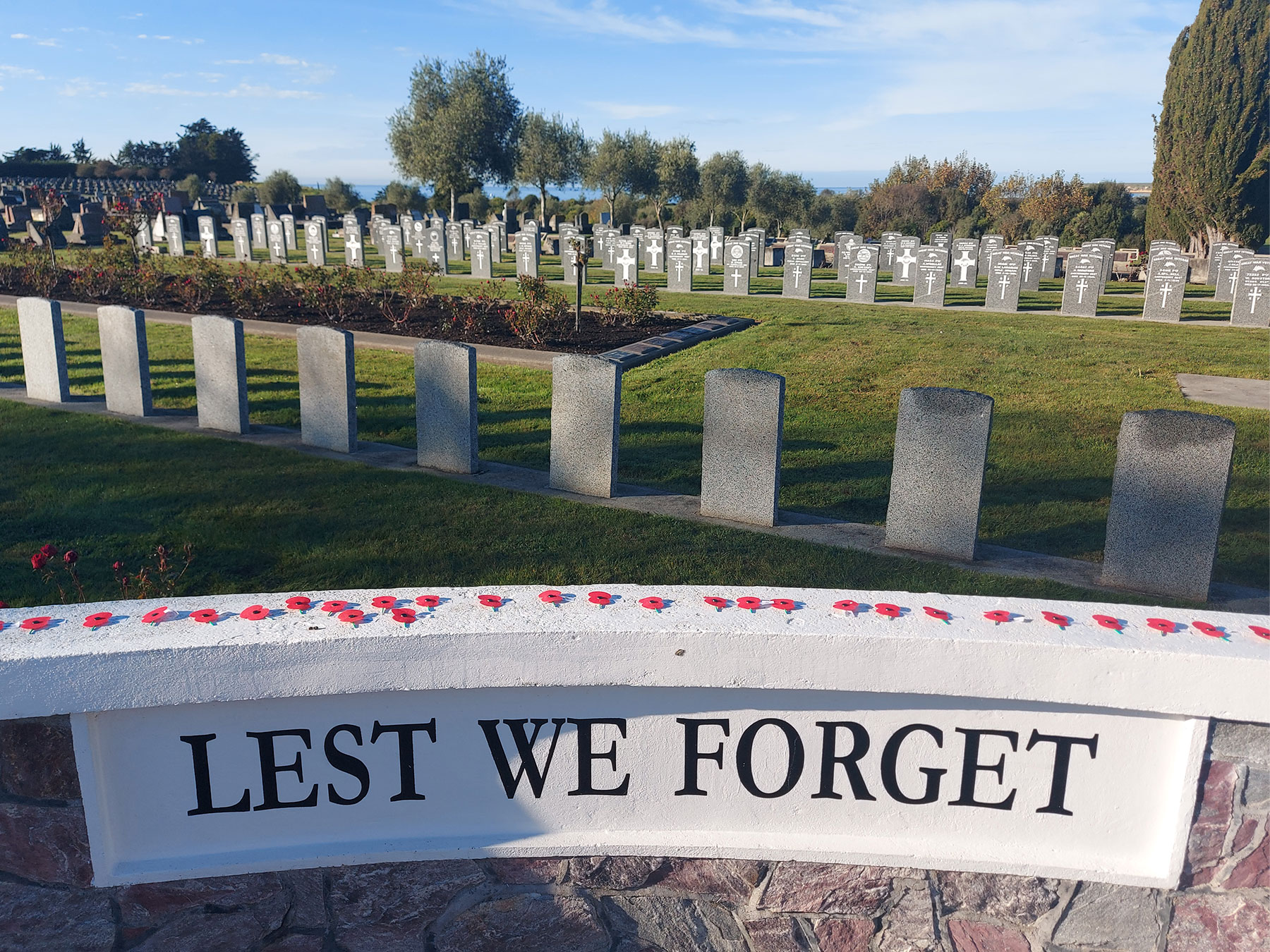
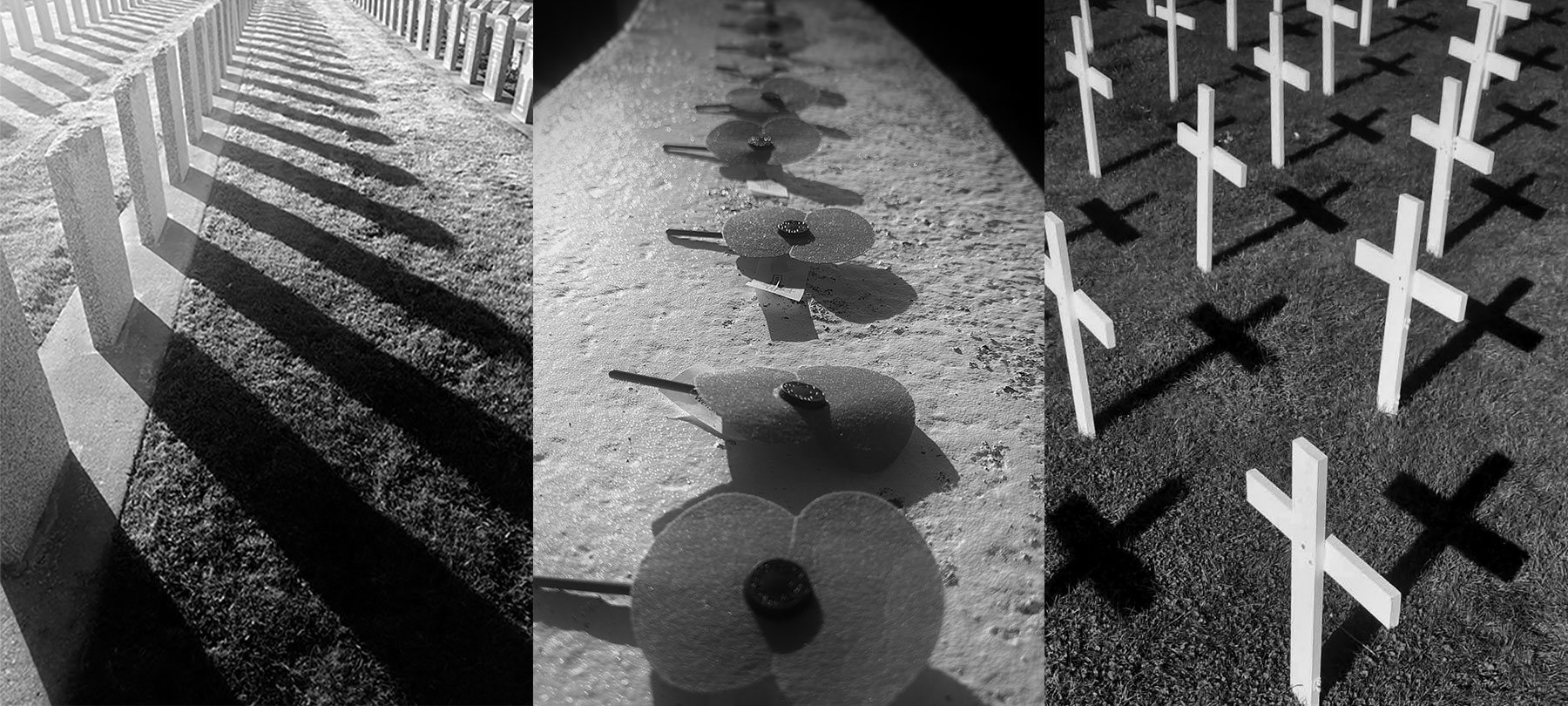
LEFT: Memorial places became so important after World War I. Many South Canterbury soldiers who died were buried far from home, on battlefields or in military cemeteries overseas. Their families were left without a local grave to tend, so communities created memorials as places where grief could gather. In this way, South Canterbury’s war memorials, cemetery headstones, family plots and honour boards became part of the same landscape of remembrance. They helped local people name the dead, mourn those who never came home, and honour those who returned but later died from wounds or illness caused by the war. 

CENTRE: Poppies became one of the simplest and most powerful symbols of World War I remembrance. In New Zealand, the first Poppy Day was held on 24 April 1922, the day before Anzac Day, with funds raised to support returned soldiers and their families. The red poppy came to symbolise the dead of the war, especially because poppies grew on the battlefields and near the graves of soldiers in northern France and Belgium. In South Canterbury, poppies placed beside white crosses, memorials or cemetery headstones help connect local grief with the wider war overseas. They are small, but they carry a large meaning: remembrance, sacrifice, service, and the promise not to forget.

RIGHT: The White Crosses Project, was one of the most visible acts of remembrance during South Canterbury’s World War I centenary commemorations. A white cross was made for each local person who died in the conflict, turning the scale of loss into something the community could physically see and walk among. Displayed at Caroline Bay each Anzac Day, the crosses created a temporary field of remembrance beside the sea, linking individual sacrifice with a shared local landscape. For families, school children and visitors, the installation made the cost of war feel personal rather than abstract. It showed that the names on rolls of honour and memorials were not just statistics, but people from South Canterbury whose deaths left grief across homes, farms, schools, churches and small settlements.


Key Dates:

First World War, 1914 to 1918
Gallipoli, Western Front, Sinai Palestine and wider imperial theatres
Second World War, 1939 to 1945
Pacific War and Japanese expansion after 1941
Korea, Malaya, Borneo and Vietnam, remembered on later plaques
The post 1945 world shaped by the United Nations and international order


By Roselyn Fauth

Disclaimer: Please note: This website is a personal blog. The content shared here is for informational purposes only and reflects my personal views, research, and interpretations. These views are my own and do not necessarily represent those of any organisations, groups, or individuals I may be associated with. While I strive to keep the information accurate and up to date, I make no guarantees about its completeness, reliability, or applicability to your specific situation. If you spot any errors, have additional information, or would like to contribute, I warmly welcome your input. You can contact me at This email address is being protected from spambots. You need JavaScript enabled to view it.. Thank you for visiting and supporting this ongoing exploration of our local stories and history.
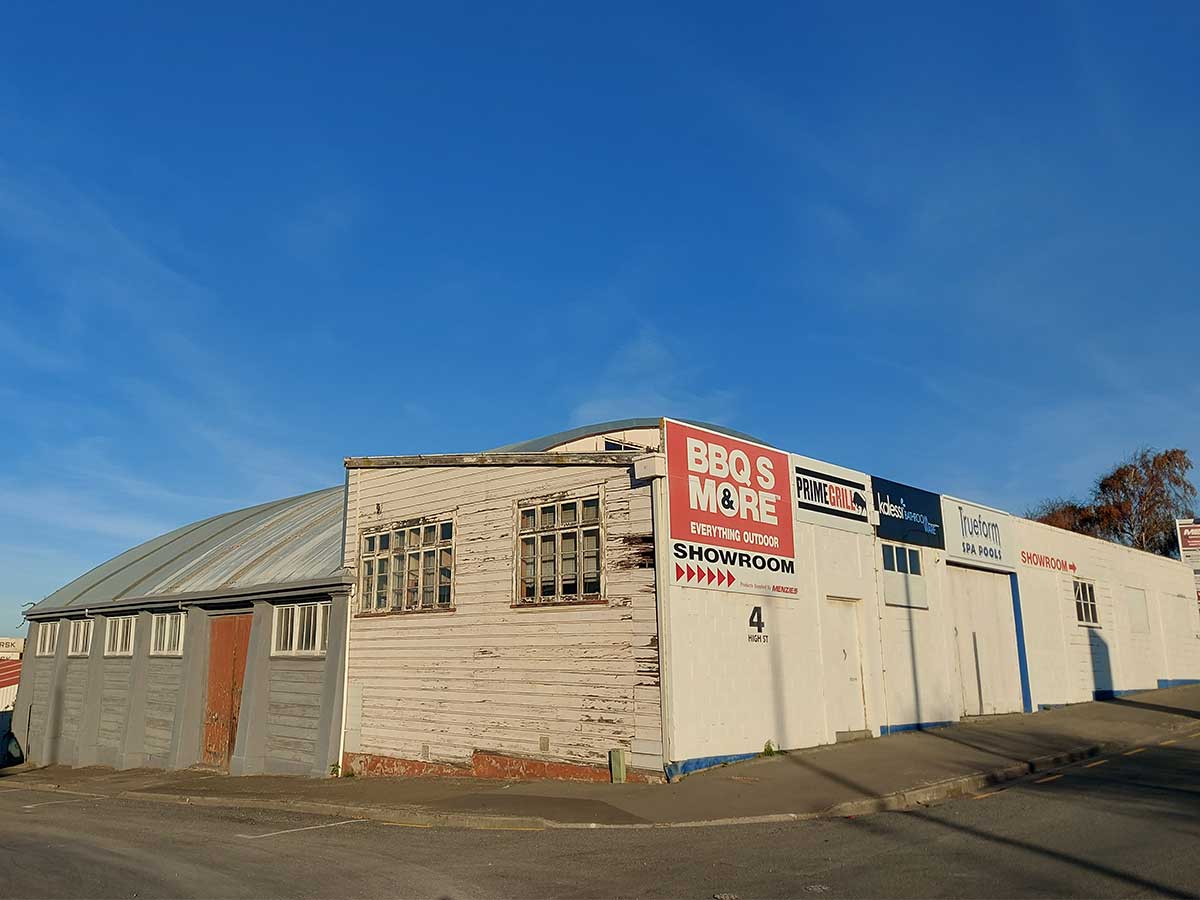
Location: 2 High Street, Timaru
Access: View from public street; building/private use should be respected
Associated years: 1886, 1913, 1914, 1944
Associated people/groups: R. A. Lawson, William Hall-Jones, Timaru Garrison Corps, rifle volunteers, Defence Department, local recruits

Read more ...

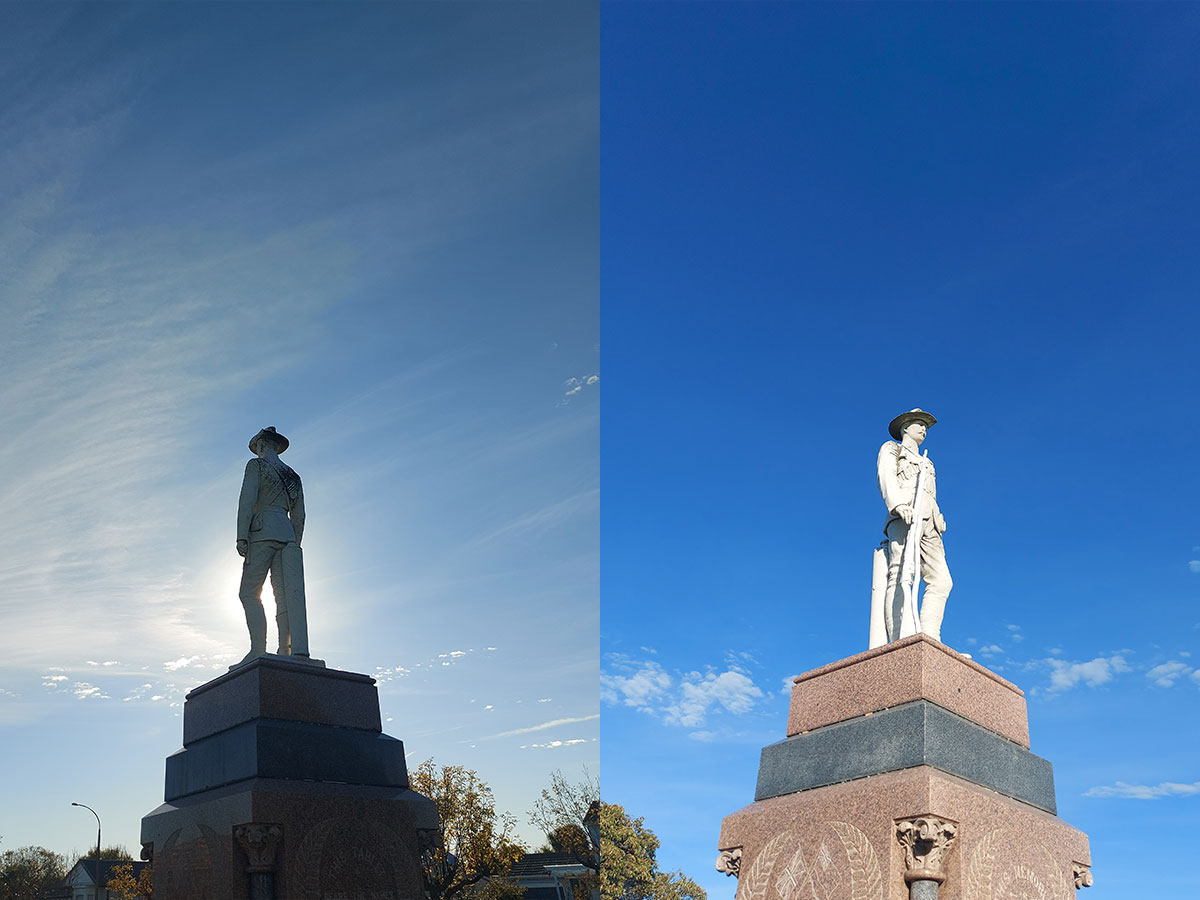
Timaru War tour MemorialAveTimaru andMonument RoselynFauth 2026 093123

Location: Memorial Avenue, Timaru
Access: Public
Associated years: 1920 name change, 1926 memorial landscape
Associated people/groups: returned soldiers, South Canterbury RSA, Timaru District Council, Anzac Day participants


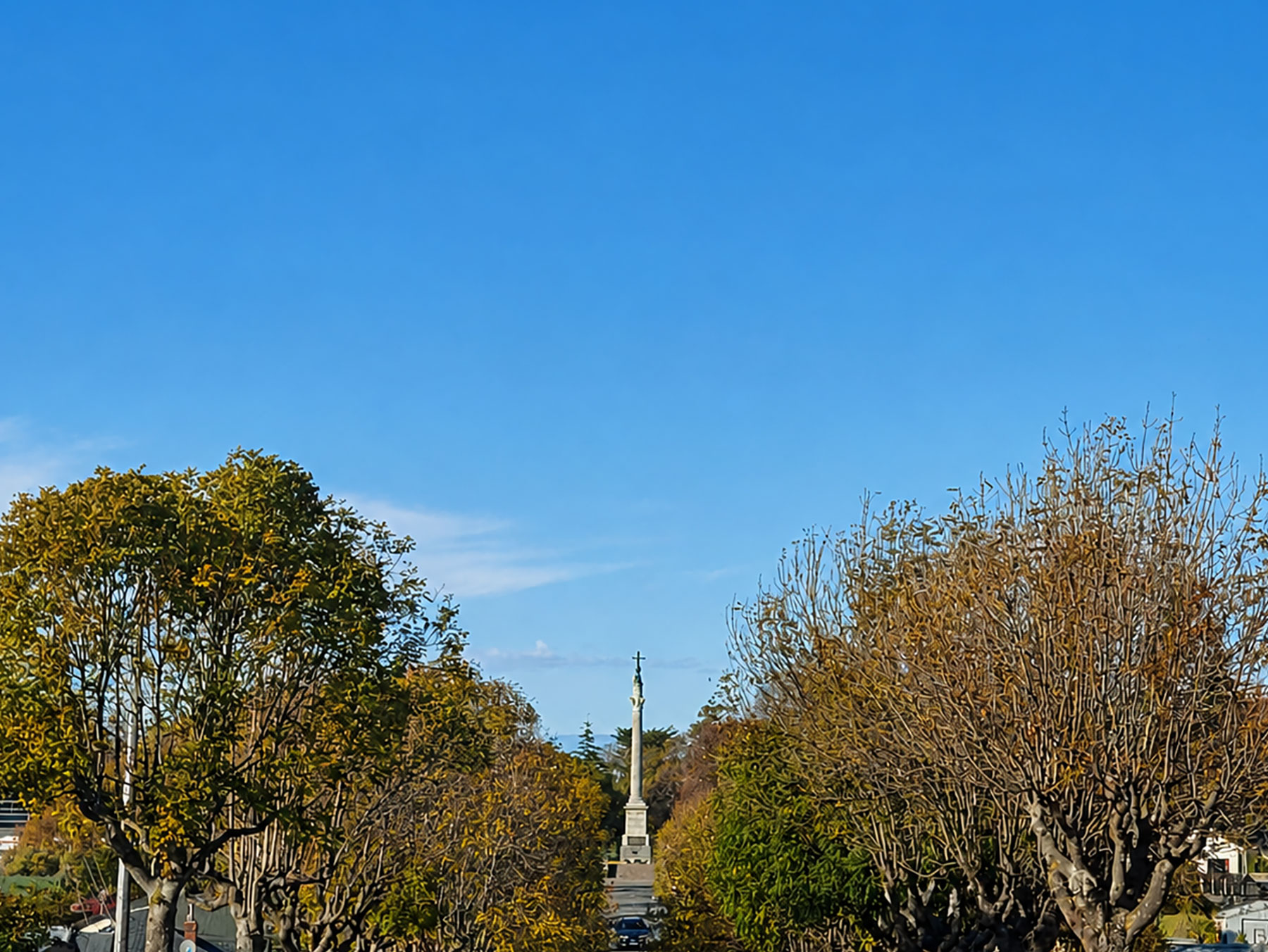
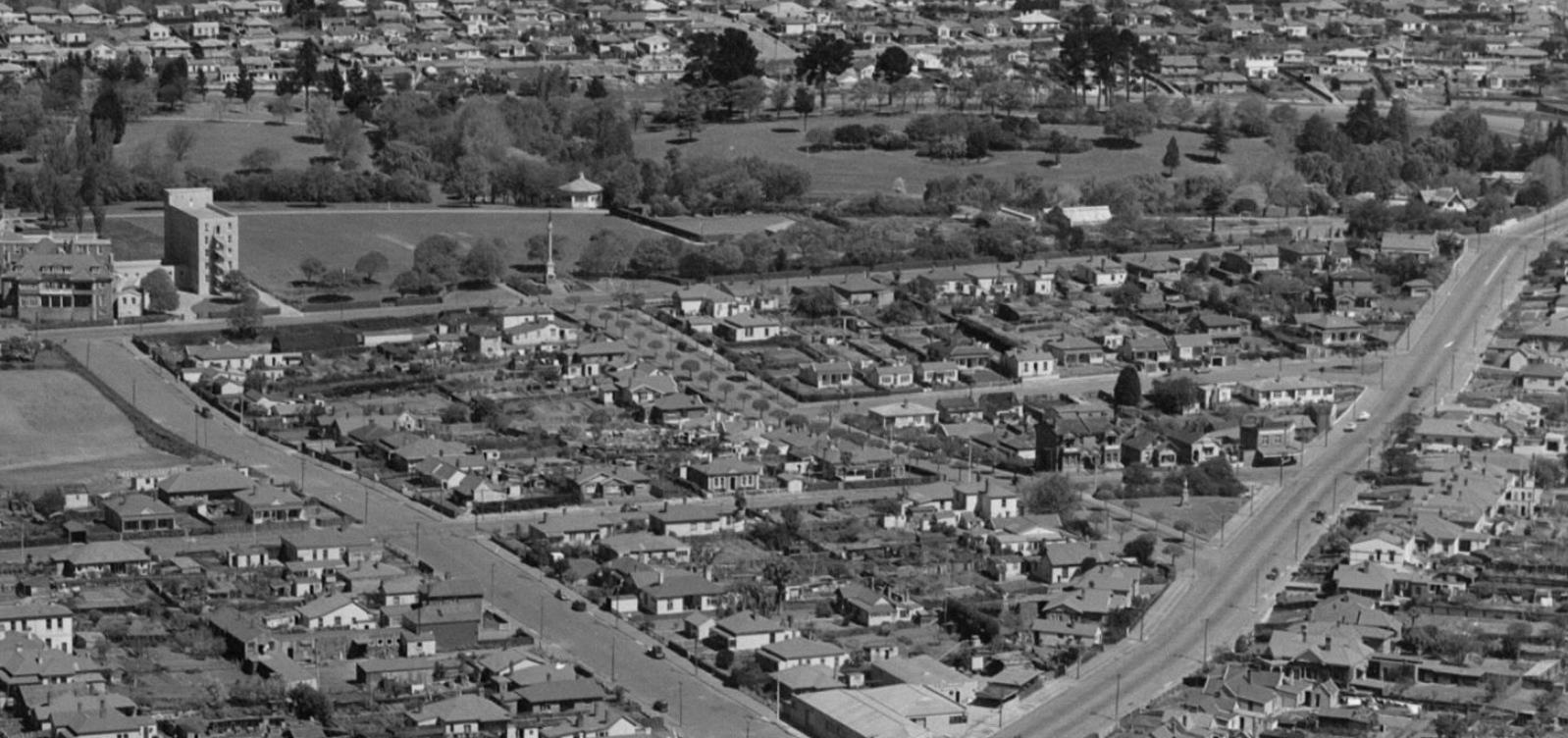
Memorial Avenue is not just a street. Poppy Places records that the name changed from Charles Street to Memorial Avenue in 1920 because veterans marched up the street to the memorial area. It is now marked as part of the Poppy Places Project, which recognises street names and places connected to New Zealand’s overseas military service.

This is a walking chapter in the tour. It physically links the South African War memorial, the civic war memorial landscape and the Botanic Gardens. It shows how Timaru turned remembrance into a route. A memorial avenue helps people move through memory, not just stand in front of it.

Find a WuHoo: Walk the avenue slowly. Notice how the street directs the eye and body towards remembrance.

Timaru War tour Timaru Monument RoselynFauth 2026 093123

Location: Queen Street, beside Timaru Botanic Gardens
Access: Public
Associated years: 1918 discussion begins, 1925 construction, 25 April 1926 unveiling
Associated people/groups: Herbert Hall, Parkinson and Co of Auckland, South Canterbury fallen, Anzac Day community

Read more ...

Lone Pine Timaru Botanic Gardens Photography Roselyn Fauth April 2026

Location: Timaru Botanic Gardens, near the South Canterbury War Memorial
Access: Public, gardens open daily, vehicle gates close at dusk
Associated years: Gallipoli 1915, Timaru planting 23 August 2015
Associated people/groups: Anzac soldiers, Gallipoli dead, South Canterbury families, future generations

Read more ...

Timaru War tour CarolineBay ANZAC Display RoselynFauth 2026 115145

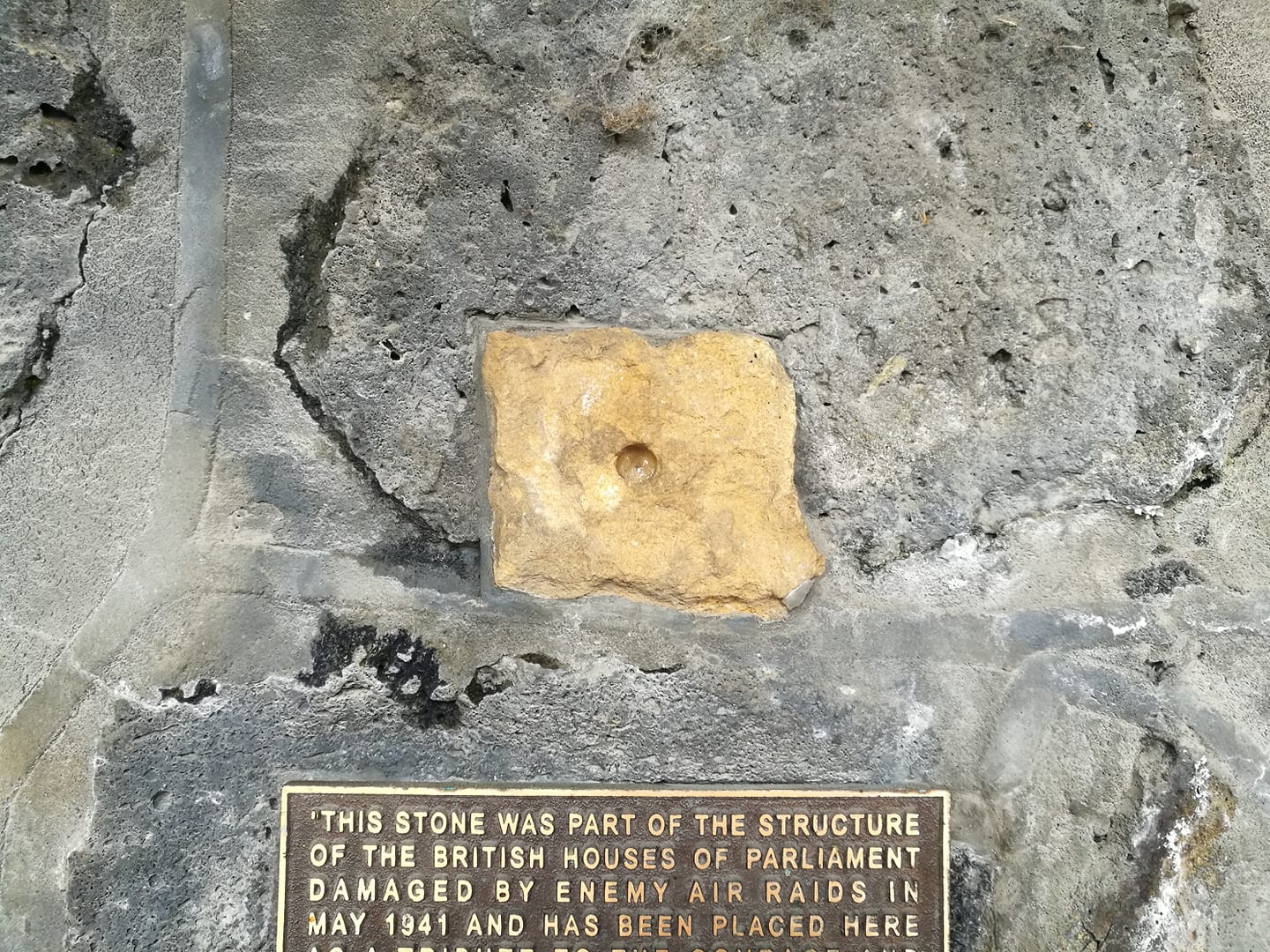
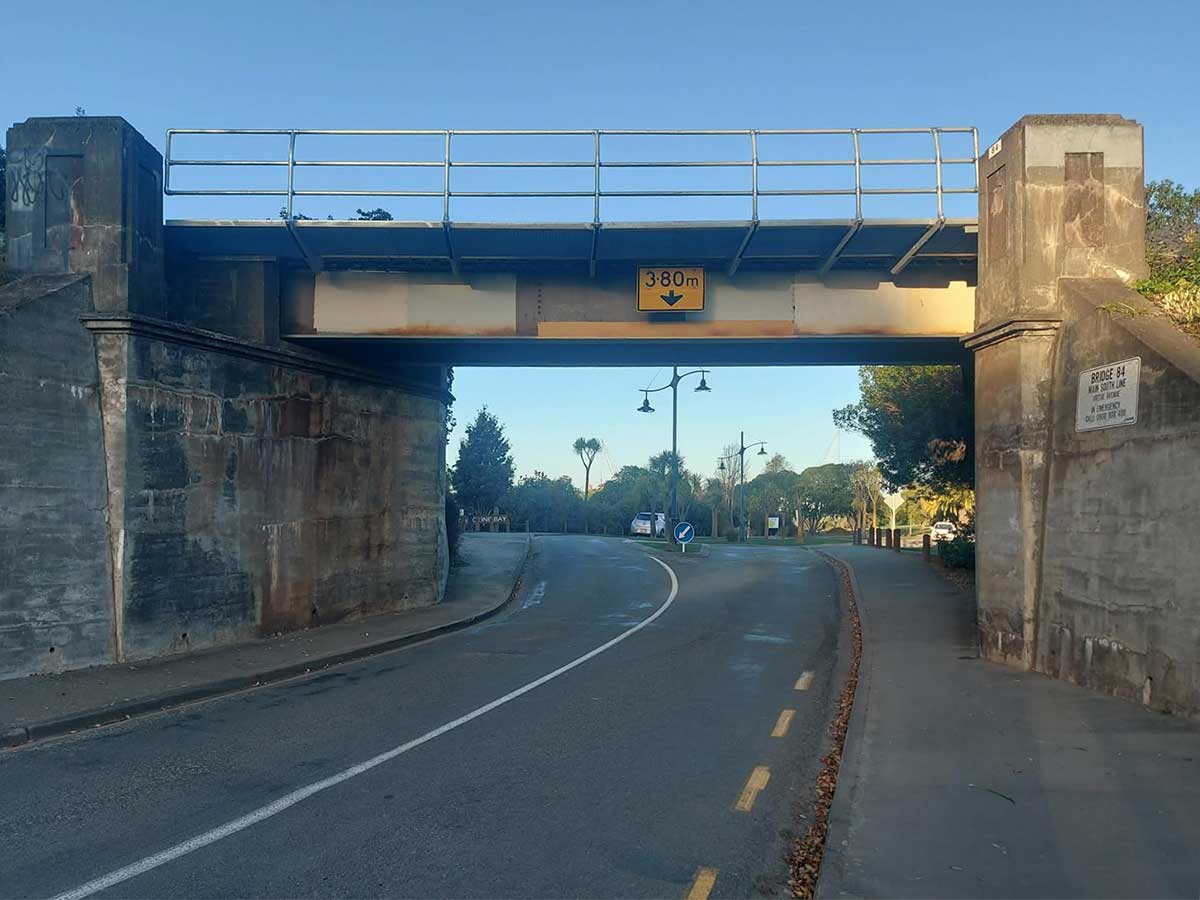
Location: Caroline Bay, beside the railway underpass. The air raid shelters were at each end of Caroline Bay

Access: Public area, specific shelter remains may not be visible
Associated years: Second World War; 1941 to 1944
Associated people/groups: Timaru community, British Houses of Parliament, wartime London, local commemorators, Timaru Borough Council, Emergency Precautions Service, local civilians, children and families

Read more ...

Location: Former Timaru Main School area, Grey Road / Arthur Street area
Access: Memorial visible from public edge, school site access by permission if required
Associated years: 1919, 1921, Second World War memory
Associated people/groups: Timaru Main School teachers and ex-pupils, Henry Lawson Leah, school children, families

Read more ...

Gleniti Park 1

Location: Former Wai-iti / Gleniti School building, now associated with South Canterbury Art Society
Access: Exterior may be publicly visible; building access by permission
Associated years: South African War, First World War, Second World War
Associated people/groups: former Wai-iti / Gleniti School pupils, William Mathews, school community

Read more ...

Timaru War tour Station St Port RoselynFauth 2026 115145 095543

Location: Public viewpoints towards Port of Timaru, Caroline Bay, Benvenue Cliffs area, and port approaches
Access: Public viewpoints only; working port areas are restricted
Associated years: 1914 to 1918, 1939 to 1945
Associated people/groups: port workers, railway workers, farmers, freezing workers, shipping companies, exporters, service families

Read more ...

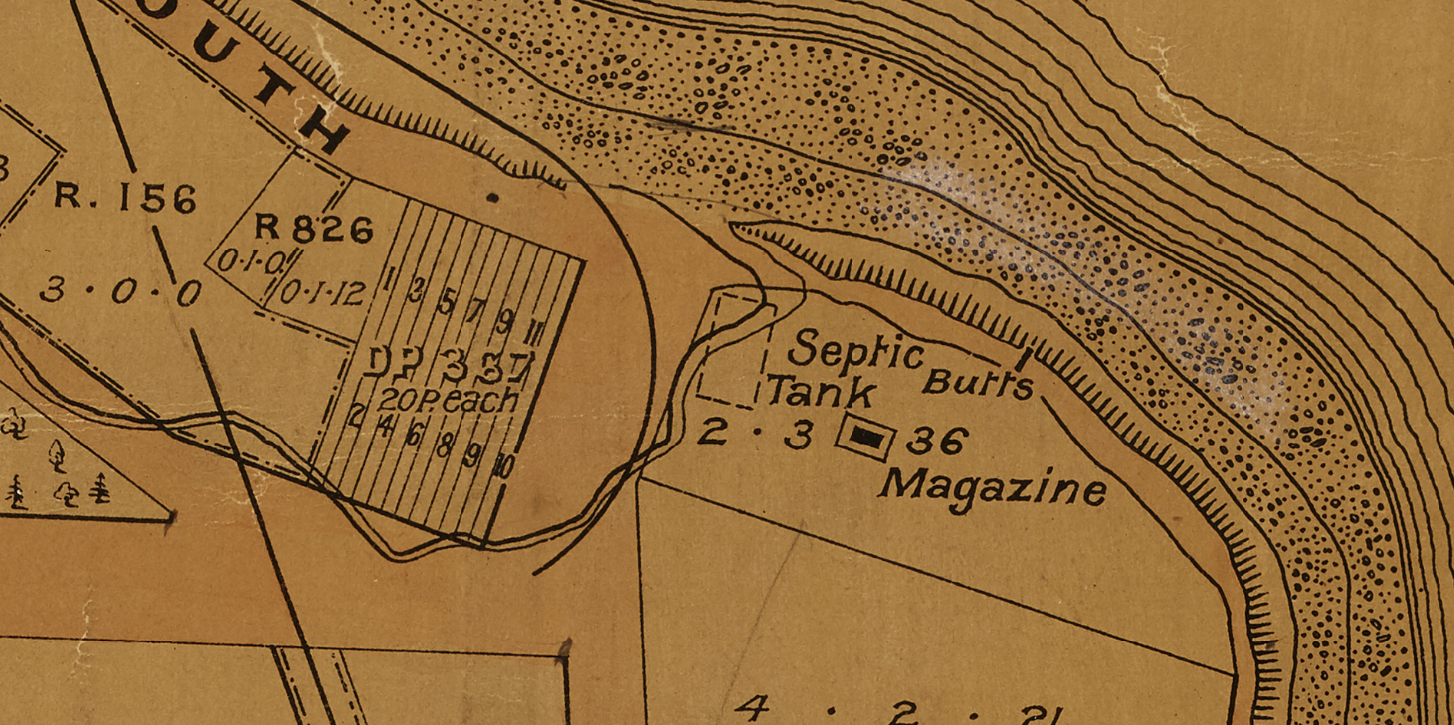
Timaru War tour Smithfield Freezing Works and Timaru Coast Defence Battery RoselynFauth 2026 115145

Location: Smithfield, north Timaru
Access: Coast defence battery structures are on private/industrial land; view only from public vantage points unless permission is granted
Associated years: 1883 freezing works development context, 1942 to 1945 defence use
Associated people/groups: 85th Heavy Coastal Battery, Public Works Department, National Military Reserve, Home Guard, Smithfield freezing workers, New Zealand Refrigerating Co.

Read more ...

Location: Ashbury Park, north Timaru
Access: Public park
Associated years: 1940 to 1945, 1942 photograph
Associated people/groups: Combined Washdyke and Timaru Home Guard, Timaru Battalion Home Guard, local men not serving overseas

Read more ...

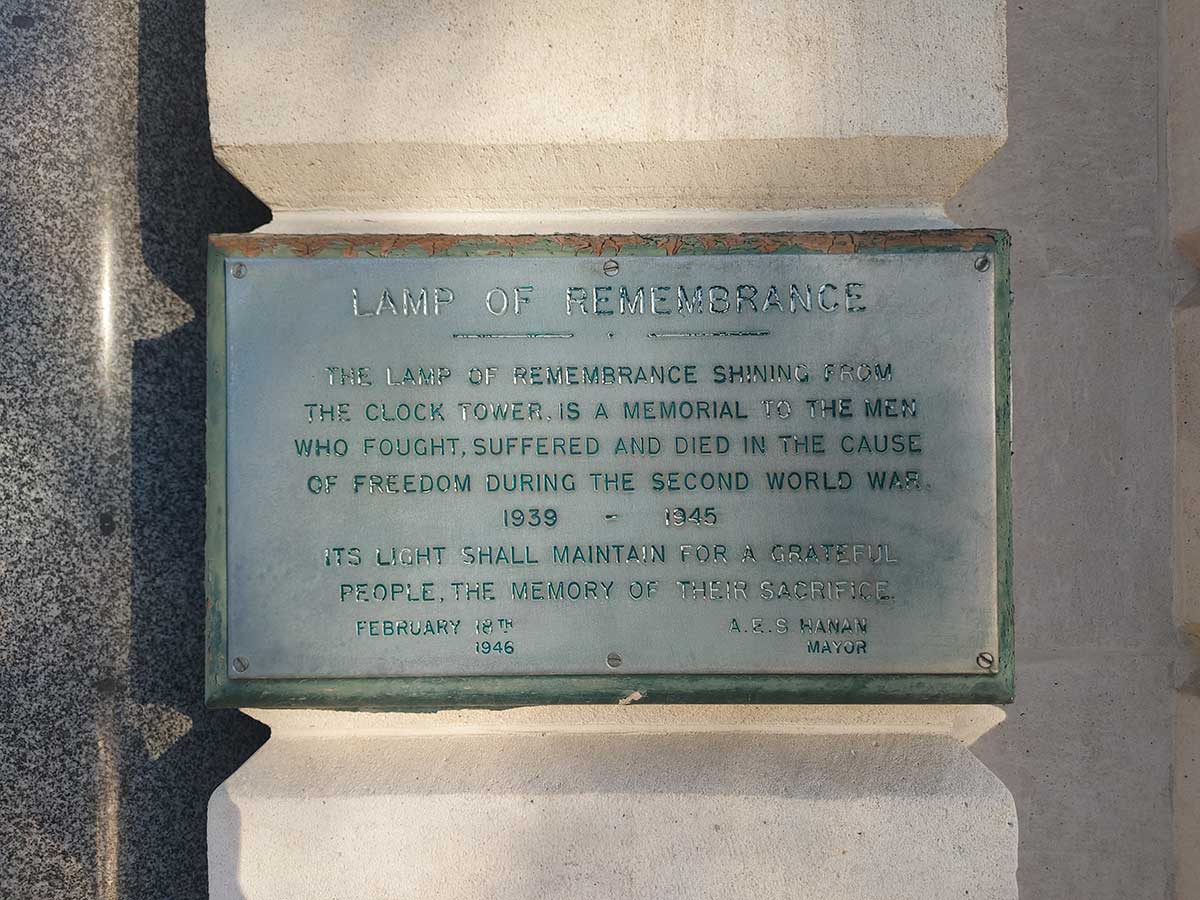
Location: Lamp of Remembrance on Timaru Council clock tower; South Canterbury RSA Service Group, 99 Douglas Street, Highfield
Access: Clock tower visible from public streets; RSA operates from Timaru Town and Country Club, access as appropriate
Associated years: 1916, 1946, 1975, 2020
Associated people/groups: South Canterbury Returned Soldiers’ Association, returned and service personnel, Mayor Hanan, families of service people

Read more ...

Timaru War tour Timaru Cemetery RoselynFauth 2026 091251

Location: Domain Avenue, Timaru
Access: Public cemetery, visit respectfully
Associated years: First World War, Second World War and later returned-service remembrance
Associated people/groups: Commonwealth war dead, returned servicemen, families, widows, children, descendants

Read more ...

Location: St Mary’s Anglican Church, Church Street, Timaru
Access: Church interior. Visit during open hours, services, or by permission from the parish. Please treat the space as sacred and active, not only as a heritage site.
Associated years: 1915, 1921, 1942, 1944, 1953
Associated people and groups: Lieutenant F. B. H. Guinness, Lieutenant-Colonel C. Ernest Thomas, Dennis Gordon Allwright Ritchie, William Traill Ritchie, Dorothy Cecil Ritchie, St Mary’s parishioners, citizens of Worthing in Sussex, Canterbury Brevet Club, South Canterbury and North Otago airmen

A small plaque below the window was presented by the Canterbury Brevet Club to honour airmen from South Canterbury and North Otago who served during the war.

Read more ...

Location: Basilica of the Sacred Heart, 7 Craigie Avenue, Timaru
Access: Church interior. Visit during open hours, Mass times, or by permission from the parish. Please treat the building as an active place of worship.
Associated years: 1900, 1910, 1911, First World War, Second World War
Associated people and groups: Corporal William Joseph Byrne, Father John Tubman S.M., Sacred Heart parishioners, Catholic families of Timaru, First World War and Second World War service people, architect Francis Petre

Read more ...

Location: Former Chalmers Presbyterian Church, now St George’s Coptic Orthodox Church, Timaru
Access: Interior by permission
Associated years: Second World War, exact dedication date to confirm
Associated people: Chalmers Church congregation, Timaru parish families, Second World War service people

Read more ...

Location: RSA plaque location to confirm, likely connected with the former or current RSA premises on Douglas Street
Access: Depends on current location
Associated years: 15 August 1945, 1995
Associated people: South Canterbury RSA, Second World War veterans, Pacific War veterans, families of service people

Read more ...

Location: Phar Lap Raceway, Washdyke
Access: Check raceway access and event times
Associated years: First World War; memorial date to confirm
Associated people and animals: horses of the 8th South Canterbury Regiment, New Zealand Mounted Rifles, local mounted soldiers

Read more ...

Location: Junction of State Highways 1 and 8, Washdyke
Access: Public roadside memorial; take care with traffic
Associated years: First World War and Second World War
Associated people: Levels and Washdyke locals

Read more ...

Location: Outside Barton Rural School, corner of Barton and Fairview Roads
Access: Public roadside view; school grounds by permission
Associated years: War memorial date to confirm
Associated people: Fairview residents, Barton Rural School community, local service people

Read more ...

Location: Arowhenua, exact site and access to confirm
Access: Confirm respectfully with local community or relevant custodians
Associated years: Article dated 13 April 1957
Associated people: Arowhenua community, Māori service people, local families

Read more ...

Location: Geraldine Library entrance foyer
Access: Public library hours
Associated years: First World War and Second World War, exact board details to confirm
Associated people: Orari Bridge locals, Arundel locals, Victoria Lodge No.18 IOOF members, Geraldine district families

Read more ...

Location: Fairlie Primary School, Mackenzie Community Centre, former Fairlie Railway Station site
Access: School by permission; public/community sites as appropriate
Associated years: First World War and later remembrance
Associated people: Fairlie Primary School pupils, Cricklewood former pupils, Trooper Mackenzie, Mackenzie district families

Read more ...