Archdeacon Pays Tribute To Mr P W Rule As Citizen (May 1953). Aoraki Heritage Collection, accessed 04/11/2025, https://aorakiheritage.recollect.co.nz/nodes/view/1057
Describing him as one of Timaru’s most respected and most valued citizens, the Ven. W. W. Averill, Archdeacon of Timaru, paid tribute to the late Mr P. W. Rule at a funeral service in St. Mary’s Church yesterday morning. The Archdeacon was assisted in the service by the Rev. R. P. Andrews, Vicar of St. John’s, Highfield, and the large congregation included the Mayor, Mr W. L. Richards, and representatives of the many organisations with which Mr Rule was connected during his long residence in Timaru.
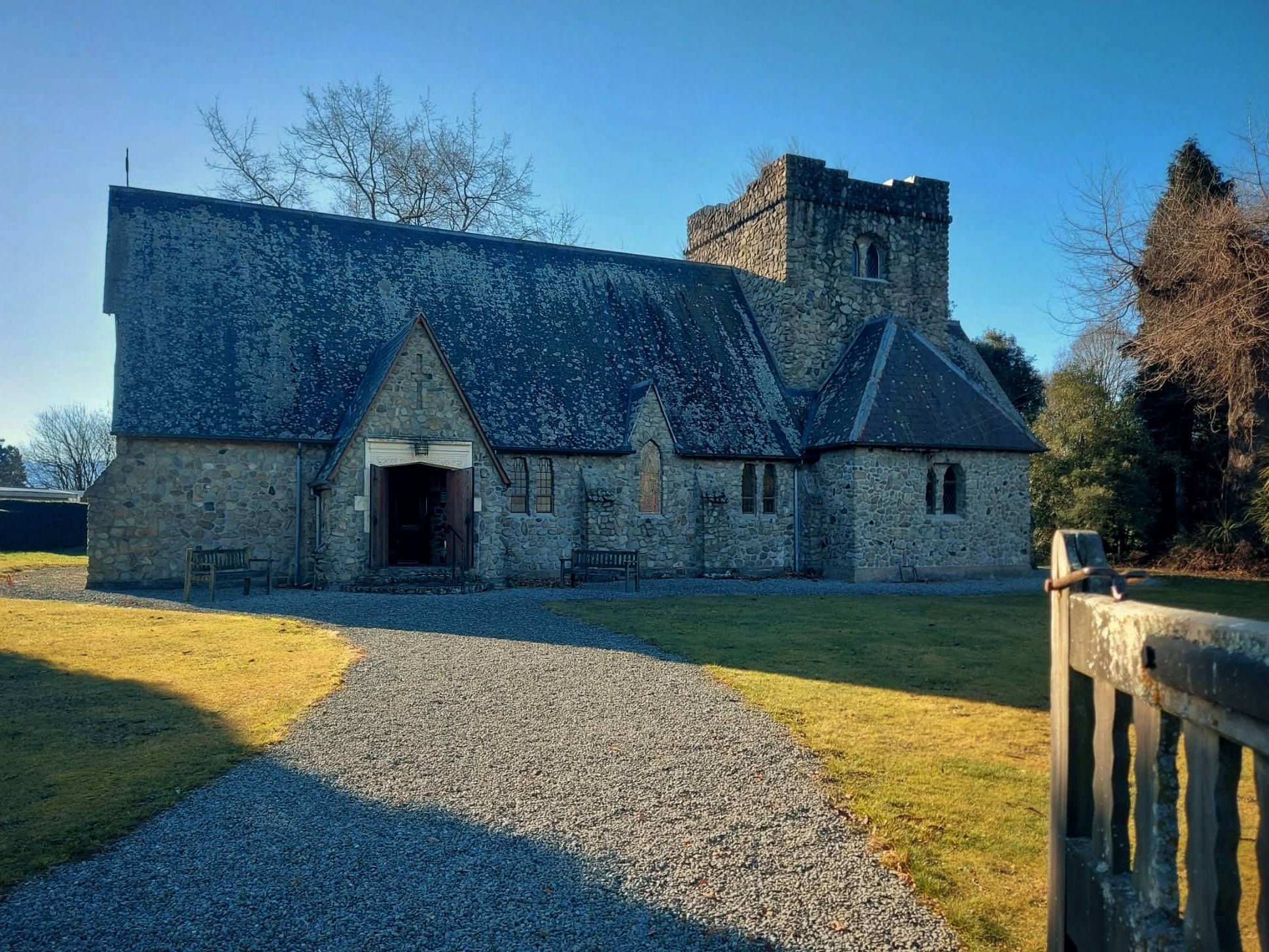
“In the passing of Percy Watts Rule, the district has lost one whose interest in the cultural life of the community has been profound, if not unequalled,” said Archdeacon Averill. “In his profession as an architect he has left behind him a contribution to the aesthetic beauty of the community in which he lived which will serve as a permanent memorial to his imaginative genius and his passion for correctness of detail. I would refer only to such gems of architectural symmetry as the Timaru Boys’ High School Memorial Library, St. John’s Church, Highfield, the new Anglican Church at Cave, the carved oak work which you see in this church and a magnificent carved screen which will be erected between the chancel and the chapel within the next few weeks.”
“But apart from his contribution to Timaru and South Canterbury as a designer of beautiful buildings and interior decoration, who could possibly assess adequately the value to New Zealand of the many pursuits and interests which somehow Mr Rule found time to cultivate and foster?” continued Archdeacon Averill. “To each and every one of his many interests he always gave his complete attention and the full measure of a discerning mind, ripe wisdom and mature judgement.”
“But most of all, perhaps, Percy Rule will be remembered for his gracious unassuming personality, his dislike for ostentation, his agreeable manner and ready smile which endeared him personally to an amazingly wide and diverse circle of friends and fellow workers,” said the Archdeacon. “Our sympathy goes out in all sincerity to the members of his family. We can assure them that we, the citizens of Timaru and South Canterbury, are united with them in mourning the loss of a distinguished fellow citizen and trusted friend.”
After the service the funeral left for the Christchurch crematorium, where the service was conducted by the Dean of Christchurch, the Very Rev. Martin Sullivan. The bearers at the church were Messrs H. G. Naylor (Dunedin), W. Hart-Smith, E. O. Hall, G. H. Andrews, R. A. Heaney and John Arthur.
High Honour Won Timaru Architects: Dominion Gold Medal Public Hospital Design (12 Apr 1940). Aoraki Heritage Collection, accessed 04/11/2025, https://aorakiheritage.recollect.co.nz/nodes/view/7619
HIGH HONOUR WON
Timaru Architects
Dominion Gold Medal
Public Hospital Design
Advice has been received from London that the jury of the Royal Institute of British Architects has awarded the New Zealand 1939 gold medal for a building of exceptional merit to Messrs Turnbull and Rule, of Timaru, who designed the Surgical Block at the Timaru Public Hospital which was opened on June 30, 1939.
The advice was forwarded by telegram by Mr J. M. Dawson, president of the New Zealand Institute of Architects, who conveyed his congratulations to Messrs Turnbull and Rule.
The competition, which was inaugurated some years ago by the New Zealand Institute of Architects, was introduced with a view to encouraging excellence of design in architecture. The Institute agreed to award a gold medal annually for the design of a building of exceptional merit. The die for the medal, together with the first medal, were presented to the Institute by the late Mr Alfred Atkins, a former president.
Drawings, including elevations and photographs, are forwarded to the Royal Institute of British Architects in London which nominates a jury to make the award.
South Island recipients of the gold medal have been very few, North Island architects winning the larger number. The late Mr Herbert Hall, of Timaru, won the gold medal for his design of St. David’s Memorial Church at Cave.
Building Described
The Surgical Block at the Timaru Public Hospital was built and equipped at a cost of £53,000, and in the words of Mr E. Macdonald, chairman of the South Canterbury Hospital Board at the opening ceremony, is “the last word in hospital buildings in New Zealand.” Designed in long straight lines the building is a striking example of modern construction with no waste of ornamentation. The large area of windows is a feature and the sympathetic treatment of the tower blends tastefully with the whole.
The building, which accommodates 76 patients, is 220ft long with an average width of 40ft. It comprises three storeys and a basement, and is carried out in reinforced concrete earthquake resisting construction faced with brickwork.
The building provides for 26 patients in the men’s surgical ward on the ground floor, 26 in the women’s surgical ward on the first floor and 24 in the maternity ward on the top floor. The nursery accommodates 24 cots. In addition to the wards and services, the building includes a complete X-ray block, a comprehensive operating suite and an ante-natal clinic. The basement contains a complete training unit for the nurses with separate lobby and hall, large lecture room 40ft by 31ft, a smaller lecture room 24ft by 11ft and a tutor sister’s office and a demonstration room.
Hazel NORRIS Obituary NORRIS, Hazel Ewing - On February 19 2013, very peacefully, in Christchurch, in her 98th year. Dearly loved wife, and widow of the late Archdeacon Harold Norris (died 1969), and treasured mother of Paul and Michael. Much loved mother-in-law of Caroline and Patsy, and beloved grandmother to Hamish, Rachel, Rebecca, George and James. The family wish to thank the wonderful staff of Bishopspark and Diana Isaac Retirement Village for their devoted care of Hazel in recent times. In lieu of flowers, Hazel's wish was that any donations offered should be made to the Christchurch City Mission, one of her favourite charities. A Funeral service in celebration of Hazel's life will be held in the Christ's College Chapel, This Day (Monday), at 3.00 p.m.














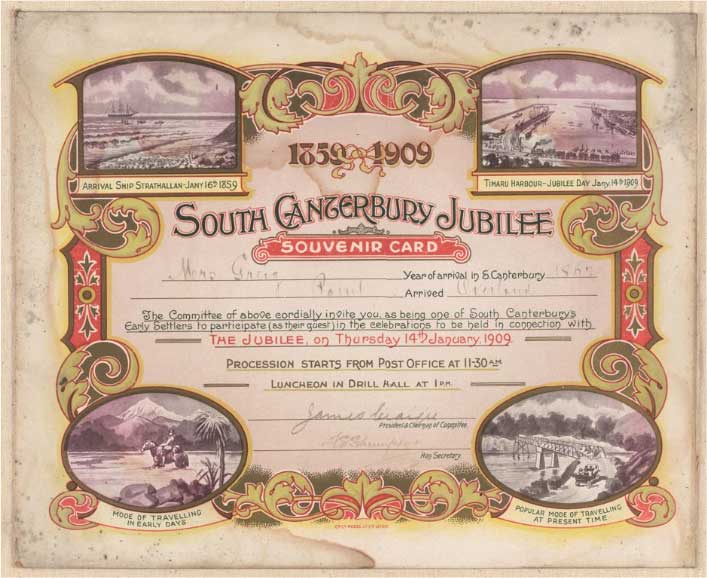

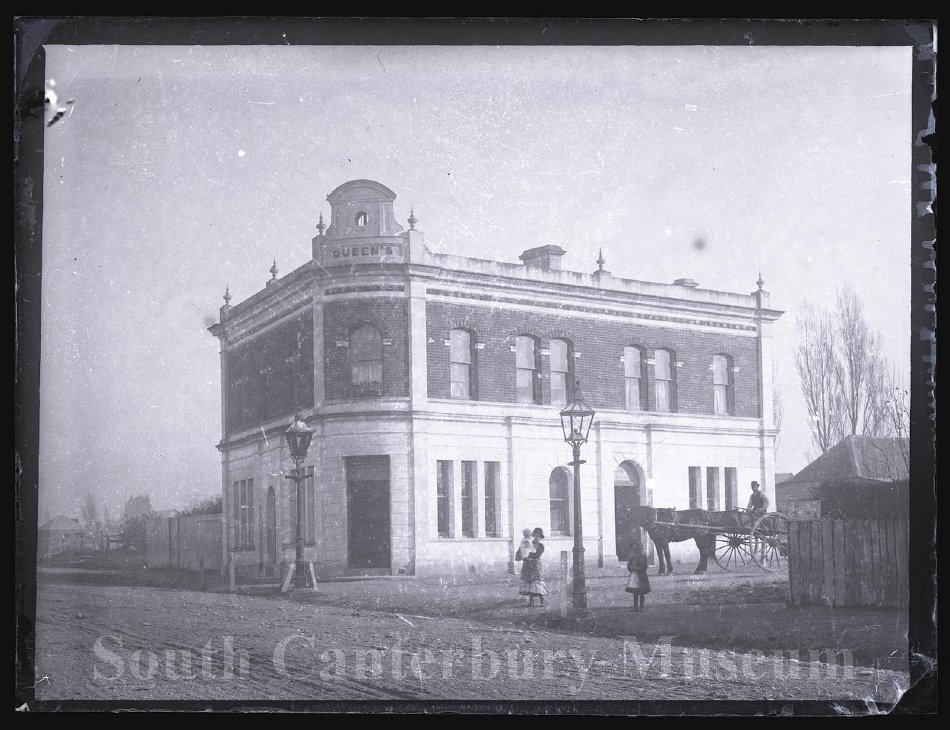
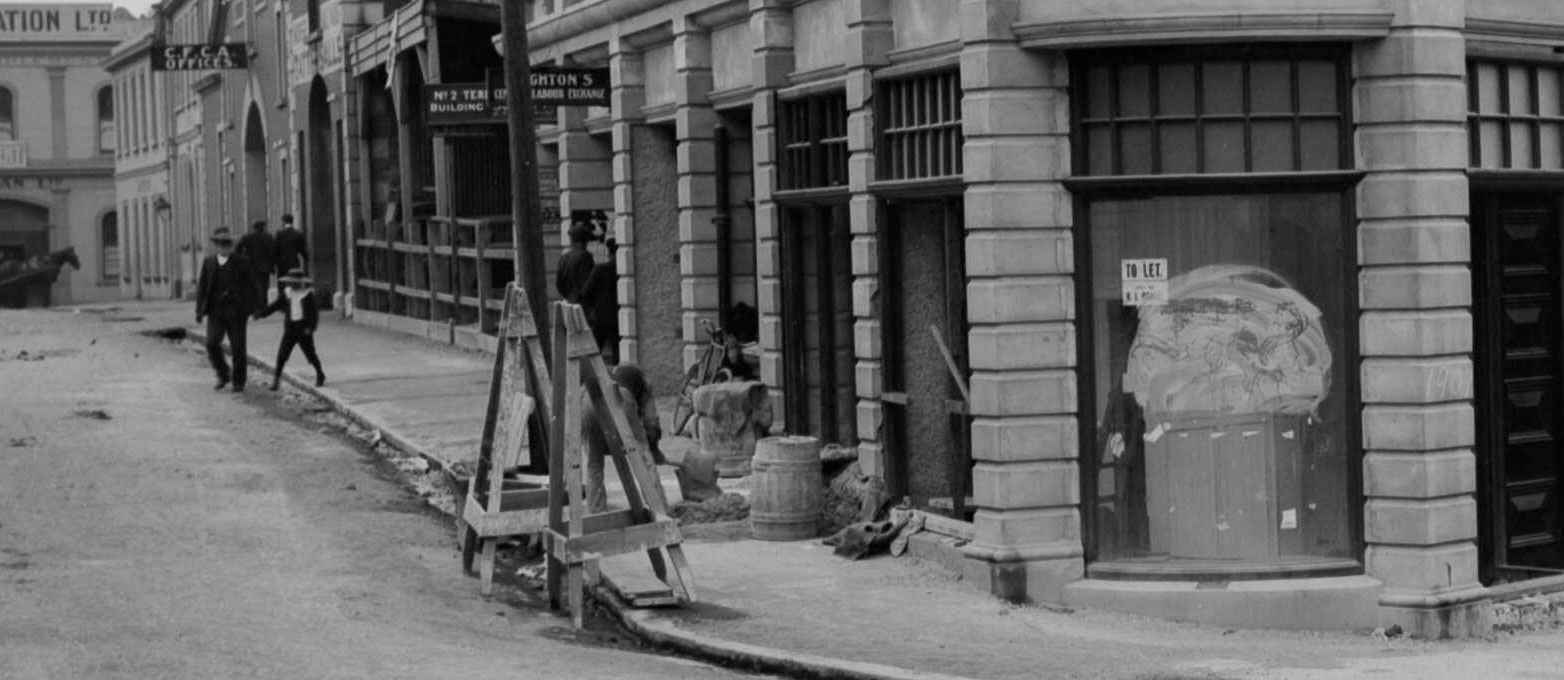






















 Digitised publications from Christchurch Art Gallery. South Canterbury Artists: a retrospective view on South Canterbury Artists, published by the Aigantighe Art Gallery in association with the South Canterbury Arts Society in 1990.


