
By Roselyn Fauth

Grave of Strong Work Morrison and his wife Lavinia. Photo Roselyn Fauth, July 2025.
I have found Timaru’s early beach stories super interesting, and I have to be honest, it has been a lot easier to learn about the port by learning about the men who worked there. While there is a bit of reading in a few places to thread things back together, they are easy to research. They rowed the surfboats, led rescues, held licences, ran hotels, appeared in court, and were written into newspapers and jubilee histories. Their working lives generated records, and those records have shaped how we remember the town.
The women however… I am finding them much harder.
At a grave in the Timaru Cemetery, in Block 22, Plot 13, rests one of Timaru’s earliest beach stories, though it is rarely told that way. Here lies Strongwork Morrison, Timaru’s first beachmaster, and his wife Lavinia Morrison. His name appears again and again in the historical record. Hers, well… she is far more difficult to trace.
So, to bring her story in from the margins, I have pulled together what can be found about Lavinia Morrison. There are many gaps, but what survives already tells us something important. Holding a household together, raising children, and providing long-term care were not side notes to Timaru’s early history. They were essential to it.

I love zooming in TePapa's photography collection online. Some of the images have incredible detail... This building, known then as the Ship Hotel on Strathallan Street, is long gone... outside, men pose for the photographer. There isn't a single woman in view... well, until you zoom in... and then there she is, a woman in the window staring back at us. She looks like a ghost. She probably knew if she was up near the glass, peeking through the curtains, that she would be seen... I wonder if the photographer knew she was there? Who was she? A guest... staff? The Ship Hotel was owned by Strongwork Morrison. He came to Timaru with the Deal Boatmen, and worked as a beach master. He was a pretty wealthy lad by the time of his death. I know this because I read through his 150-page will! He biffed his will in the fire, muttering the words bloody White! And so his will had to be reconstructed to devise who his fortune would be passed on to... so I went on a history hunt to learn about Strongwork... and I found his wife Lavina. Fighting for the right to their family funds. Imagine if the woman in the photo was her??? It could be anyone, but it is fun to imagine... This is a crop of the photo Ship Hotel, corner of Stafford & Strathallan Streets, Timaru, 1870s, Dunedin, by Burton Brothers. Te Papa (C.014591)
Why Strongwork Morrison dominates the record
Strongwork Morrison arrived in Timaru in 1859 as one of the original Deal boatmen, recruited from the English coast for their skill in surf landings. At that time, Timaru was an open roadstead. Ships anchored offshore and everything, people, cargo, supplies, was rowed through heavy surf in small boats. There was no breakwater, no wharf, and no margin for error.
That work produced records. Drownings, rescues, shipping movements, contracts, and inquests were widely reported. After the drowning of merchant John Beswick in 1865, Morrison took over the lease of the Government Landing Service. From 1863 to 1869 he served as beachmaster and pilot of the port, overseeing landings and crews.
In 1863 the lifeboat Alexandra arrived. Strongwork was its first coxswain. Stored in a shed near the landing sheds below Le Cren’s Terrace, it became a symbol of the Deal boatmen’s courage and risk.
Later, Morrison became licensee of the Ship Hotel, later the Crown Hotel, on the corner of Strathallan and Stafford Streets. Hotel licences, leases, disputes, and photographs all generated further records. By the 1870s and 1880s, Morrison had accumulated assets through land and lending, and when those arrangements collapsed, they too produced paperwork.
In short, Strongwork Morrison is well documented because his life unfolded in public, male-dominated spaces that were regulated and written down. He was also in Timaru early on in the new colonies establishment before he married Lavinia decades later.

Image: Timaru, circa 1904, Dunedin, by Muir & Moodie. Te Papa (C.014407) https://collections.tepapa.govt.nz/object/16787
But while Strongwork was there in the newspapers, Lavinia wasn't, well at least not until her husband died and there was a fight over his money.
Lavinia was born around 1845 or 1846, based on her age at death.
By the time she appears in the Timaru record, she was already a widow. She had been married to Thomas Hudson and had six daughters. When Hudson died, Lavinia was left to raise a large family alone. I am not sur4e what all of her childrens names were, but I could find the names of Emma Jane Hudson and Alice Maud Mary Hudson.
This chapter of her life does not appear in newspapers. There are no articles about how she fed, housed, educated, or protected her children. Yet for years, this would have been her daily labour, carried out in a world that offered limited security to women without husbands.
When Lavinia remarried in 1884 to Strongwork Morrison, she did so not as a young bride, but as an established household head, a widow, bringing six daughters with her into the marriage.
Strongwork Morrison was also onto marrage number two.
His personal life was just as eventful. Strongwork married Catherine Gordon in 1863 at The Stumps in Orari. Catherine had arrived in Timaru aged 13 on the Strathallan in 1859. According to his divorce petition from November 1882, they lived together happily until 1876 when she gave way to intemperance. By 1879 she was living with a man named Robert Jamieson, who was later jailed for violently abusing her. By 1881 she had moved in with John O’Shea in Ashburton Forks. The place was described as a hovel. Morrison was granted a divorce in 1883 and remarried the following year.
In 1884 he married Lavinia Hudson, a widow with six daughters. They had no children together, but I like to think they raised her girls as a blended family. Lavinia died after Strongwork in 1902 and is buried with him in the Timaru Cemetery.
When Lavinia married Strongwork, Timaru was changing too.
The surfboat era that had defined Strongwork’s working life was giving way to infrastructure and administration. In 1878, the Timaru lighthouse, designed by John Blackett, was erected on Le Cren’s Terrace alongside the Harbourmaster’s House. These buildings marked a shift from physical maritime labour to institutional oversight of the port.
Lavinia and her daughters lived directly above these changes. I haven't mapped out a timeline to confirm who were neighbours, but Captain Mills, Captain Cain both had homes on Le Crens Terrace, I am just not sure if their time on the same street overlapped. From the Morrison home on Le Cren’s Terrace, they watched Timaru transform from a precarious beach landing into an engineered port town governed increasingly by boards, regulations, and documents rather than oars and muscle.
From the early 1890s, Strongwork Morrison’s health declined. Court evidence later describes him as suffering from a progressive neurological illness, with failing eyesight and increasing physical helplessness. By the mid-1890s, he required constant care.
That care took place at home and was provided by Lavinia and her daughters, with the assistance of a nurse in his final weeks. Court testimony makes it clear that the household functioned through their combined effort. This work did not make headlines of newspapers, yet without it, Morrison’s affairs could not have been managed at all. Care, motherhood, and household labour became the foundation on which everything else rested.
Assets, trustees, and a fragile safety net
On 22 March 1893, Morrison executed a formal will, signing with an X. Lavinia was named the principal beneficiary. The will was intended to secure her future and the stability of the household she sustained. By then, Morrison’s finances were already vulnerable. His business agent, David Mitchell Ross, had mishandled funds and failed to secure mortgages properly. Morrison was one of several clients affected.
Ross was a prominent public figure in Timaru. His wife, Jane Ross, died in 1889 after a long illness, before the full extent of his financial collapse became public. When Ross’s dealings were later examined in bankruptcy court, women connected to his affairs appeared only in narrow, functional ways. They surfaced through accounts and property, not through voice or testimony.
I think this matters because it mirrors Lavinia’s experience. Women entered the historical record when systems required their names, not when their lives or labour were considered worth recording.

The Ship Hotel on the corner of Strathallan and Stafford Street, Timaru, sometime in the 1860s prior to the fire of 1868. A copy negative, believed to have been taken by William Ferrier, of an original print. South Canterbury Museum - CN: 2019/049.34
What the newspapers recorded about Lavinia
Despite years spent in Timaru, Lavinia appears in newspapers almost exclusively in relation to her husband’s estate. Her name surfaces as the widow in the prolonged legal dispute over the missing will. There is no obituary celebrating her life, no profile describing her values, and no acknowledgment of her work as a mother or caregiver.
The absense of her in newspapers was proabably because it wasn't news, and Nnneteenth-century newspapers didn't really record public life. Men appeared as workers, office holders, and litigants. Women appeared when property, inheritance, or scandal forced them into view.
Death, dispute, and endurance
Strongwork Morrison died on 22 August 1897. Shortly before his death, his original will disappeared. Whether it had been deliberately destroyed or lost during illness became the subject of years of litigation.
For Lavinia, this was not an abstract legal argument. It was a fight for security. She submitted sworn affidavits describing her husband’s illness and dependence. She defended her household through the Supreme Court, the Court of Appeal, and ultimately the Privy Council in London. By the time the matter was resolved, much of the earlier wealth had already been lost.

Looking along Stafford Street, Timaru showing (on right) the Empire Hotel, with advertisement for Speight's Beer, boxing show and taxi stand outside; England McRae Ltd - ironmongers; P W Hutton and Co (by advertisement for Onoto Pens) - bookshop. On the left is the Crown Hotel, with motorcycle and sidecar parked outside. Auckland Libraries Heritage Collections 35-R1477
The end of Lavinia’s story
Lavinia Morrison died on 2 March 1902, aged 56, less than five years after her husband. She is buried with Strongwork in Timaru Cemetery. I have not found an obituary that tells us how she lived, what she valued, or how she raised her daughters. Her life survives mainly through legal documents, and through the spaces between newspaper lines.
Timaru’s early beach history is often told through acts of physical bravery and public labour. Those stories matter. But they are incomplete without the women who lived with the consequences of that work.
Lavinia Morrison raised six daughters, sustained a blended household, provided long-term care, and defended her family’s security through the highest courts of the British Empire. She lived through Timaru’s transformation from surf beach to engineered port, from muscle-powered labour to institutional authority.
When we stand at this grave, we are not just looking at a beachmaster and his wife. We are looking at a woman whose legacy lies in motherhood, endurance, and the unrecorded labour that allowed families, and towns like Timaru, to endure.

Looking over rooftops in Timaru circa 1888 The Post Office Butler Street St Marys Church Church Street and the Old Bank Hotel are visible ( Thinnk this is a photo of Strong Works home. - National Library

A page from the Jubilee History of South Canterbury, published in 1916, shows a photo of Strongwork Morrison. Right the grave where he rests at Timaru's Cemetery. - Photo Roselyn Fauth

Ship Hotel, corner of Stafford & Strathallan Streets, Timaru, 1870s, Dunedin, by Burton Brothers. Te Papa (C.014591)

View of Timaru and District by Adolf Fischer circa 1890 views Harbour north from George Street South Canterbury Museum 3868. You can see the Miles Archer & Co building that was later purchased by David Turnbull, for D.C. Turnbull & Co. This is the foot of Strathallan Street, where Cain, LeCren and Strongwork Morrison worked at the Landing Services that was later acquired by the government. (Note this is not the Landing Services Building that we see in Timaru today, that was created after locals created another landing service to compete with the government run one.)

View of Timaru and District by Adolf Fischer circa 1890 views of Stafford Street looking north from George Street South Canterbury Museum 3868

Stafford and Chuch Street Corner 1902 Timaru, by Melvin Vaniman Purchased 2024 Te Papa O051719
Strong Work’s Role and the Landing Service
After merchant John Beswick drowned in 1865, Strong Work took over the lease of the Government Landing Service. He became known as Timaru’s first beachmaster. He helped land passengers from the Strathallan, Timaru’s first immigrant ship, and was Pilot of the Port from 1863 to 1869.
In 1863, the lifeboat Alexandra arrived. Strongwork was its first coxswain. The 33-foot boat with six oars was stored in a shed near Le Cren’s landing shed. It became a symbol of the Deal boatmen’s courage.
Later, Strong Work became licensee of the Ship Hotel (later renamed the Crown Hotel), located where Strathallan Corner is today. He ran it until 1876 and stayed in Timaru until his death in 1897.
A Growing Port, a Changing Crew
As trade increased, more boatmen were needed. They came from across the world: From New Plymouth, led by Duncan Cameron, From Scotland, including George Pearson, From Northern Ireland, Wales, and other parts of England, From Italy (Francisco Scoringe), Sweden (Daniel Anderson), and Holland (Andrew Schaab). They worked as boatmen, ship’s carpenters, stevedores, fishermen and hoteliers. Some, like Pearson, opened businesses. Others died in service or later injuries.
The Government upgraded the landing facilities. By 1864, new boatways, raised cargo platforms and steam winches were installed. But machinery failed, boats were damaged, and the operation was often criticised. In 1873, boatmen went on strike, demanding higher pay. Though quickly broken, the dispute led to better recognition.
By 1879, the Harbour Board took over and by 1881 had full control. Surfboats grew larger and stronger, but wharves were coming. The old surfboats were gradually abandoned. The last was seen on Washdyke Beach in 1925.
Black Sunday: Rescue and Loss
On 14 May 1882, the Benvenue and City of Perth were wrecked off Timaru. The Alexandra capsized three times. Nine lives were lost, including four boatmen. Strongwork was not part of that crew by then, but many of the Deal men were still involved.
Those who rushed to the rescue included: Robert Balson, Martin Bates, Daniel Bradley, Isaac Bradley, Phillip Bradley, Robert Collins, James Crocome, George Davis, George Falgar, George Findlay, William Halford, T. Hart, James Henniker, Harry McDonald, Charles Moore, Morgan, Emmanuel Neilson, William Oxby, S. John Passmore, J. Read, Andrew Schaab, George Sunnaway, John Thomas, William H. Wall, R. Wilson. Their efforts are remembered at the Wrecks Memorial on Perth and Sophia Streets.
DISTRICT COURT.
South Canterbury Times, Issue 6926, 29 August 1892, Page 3
(Before His Honour Judge Ward.)
The following business is set down for to-morrow:—
APPEAL.
O’Meaghan v. McDonald, appeal from Magistrate’s decision on “Sunday trading” prosecution. For further argument. Mr Perry for appellant; Mr Raymond for respondent.
IN BANKRUPTCY.
Re S. Green. — Application for Assignee’s costs to be paid out of estate. Mr White to apply; Mr Raymond contra.
Re the Bankruptcy Act and the bankruptcy of David Mitchell Ross and William Montague Sime. Counsel for the Deputy Assignee in bankruptcy will charge the said David Mitchell Ross with the commission of the following offences, and adduce evidence in proof:—
Charges under section 171 of the Bankruptcy Act, 1883:
-
That the said D. M. Ross has, during his partnership with the said W. M. Sime, carried on trade by means of fictitious capital, that is to say, by means of moneys of his clients fraudulently put into his private banking account and the banking account of the firm, and by means of fictitious debit balances against James Huber and Mrs Ann Bonner appearing in the books of the firm.
-
That the said D. M. Ross, with intent to conceal the true state of his affairs, wilfully omitted to keep proper books or accounts showing his private business transactions from the 19th February, 1878, up to the date of his bankruptcy, and with the like intent wilfully omitted to keep proper books or accounts showing the business transactions of the partnership.
-
That the said D. M. Ross within three years before the commencement of the bankruptcy failed to keep usual and reasonable books and accounts, stating forth truthfully the state of his private business transactions, and also failed to keep such books and accounts for the business transactions of the partnership.
-
That the said D. M. Ross in incurring the following liabilities obtained credit for principal moneys and interest thereon under false pretences and by means of other frauds, the particulars of which are as follow:—
(a) In incurring liabilities to Mrs Josephine Bower, of Markinch, Scotland, to the extent of £340 or thereabouts under the false pretence that the said moneys were invested by him as her agent and attorney on freehold security in New Zealand, whereas the moneys constituting the said sum were fraudulently misappropriated by him on various dates from July 1886 to December 1887.
(b) In obtaining from Henry Durand, of Timaru, on the 18th May, 1888, the sum of £714 or thereabouts, under the false pretence that it was for a loan or mortgage of freehold land of one Goldie, and that he had arranged to take up an existing mortgage by Goldie to William Bush; and by thereafter falsely and fraudulently representing to the said Henry Durand that the said sum of £714 had been advanced to Goldie on mortgage, whereas the said sum was fraudulently misappropriated by him.
(c) In obtaining from Strongwork Morrison, of Timaru, in March 1889 the sum of £180 under the false pretence that he had arranged that it was to be advanced to Nelson or Briscoe, and by thereafter up to the date of the bankruptcy falsely and fraudulently representing to the said Strongwork Morrison that it had been so advanced, whereas it was fraudulently misappropriated on the 12th March 1889.
Two other charges of obtaining moneys under similar false pretences from Strongwork Morrison and fraudulently misappropriating them, refer to—
(1) £100 obtained in August, 1891, on pretence that it was to be advanced on Baird’s freehold land;
(2) £150 obtained on the 12th October, 1891, on pretence that it had been arranged to be advanced to one Dierck.
By falsely and fraudulently representing to the said Strongwork Morrison, up to the date of bankruptcy, that a certain mortgage for £200 due by one Peter Fowle to the said S. Morrison was a subsisting security, whereas it had been paid off, and the proceeds fraudulently misappropriated by D. M. Ross on or about 3rd April, 1891.
By falsely and fraudulently representing to the same person that £120 advanced by him for investment on mortgage of section 418, Theodocia Street, was secured by mortgage of that section.
By falsely and fraudulently representing to the same person, up to the date of bankruptcy, that certain loans made to the undermentioned persons by the said Strongwork Morrison were subsisting loans for the full amounts originally advanced to such persons, whereas the said loans had been reduced or paid off as undermentioned:—
£70 advanced to Mrs Wadlow, 27th November, 1883; paid off 31st March, 1884.
£21 advanced to J. and G. Puttick, 31st March, 1890; paid off 6th October, 1890.
£20 advanced to Dowdeswell, 1st June, 1890; only £14 4s owing.
£20 advanced to A. Campbell, 2nd April, 1890; paid off 29th July, 1891.
£16 advanced to W. G. Cornish, 4th April, 1890; paid off 3rd February, 1891.
£27 advanced to Mrs Mahoney, 14th April, 1890; paid off 6th October, 1890.
£60 advanced to W. Glue, July 27th, 1890; about £45 still owing.
By falsely and fraudulently representing to one William Bush, for whom he acted as attorney, that out of certain moneys received by the firm of Ross, Sims and Co., on account of the said William Bush, on various dates ending in February 1891, the sum of £80 had been paid by the firm to the Timaru Building Society.
(e) By falsely and fraudulently representing that out of certain moneys received by the firm on account of A. H. Briscoe, £80 had been paid by the firm to the Timaru Building Society.
(f) By falsely and fraudulently representing to one Mrs Taylor of Timaru, that certain trust moneys amounting to £50 received by him (and of which the said D. M. Ross and the Rev. Mr Brady of Otira were trustees) were properly invested, when the same had been fraudulently misappropriated.
(g) By falsely and fraudulently representing to one Thomas Chamberlain that he had arranged that a sum of £100 obtained by him from Chamberlain on 29th August, 1891, would be secured on a house and property in Noah Street.
-
That the said David Mitchell Ross in the month of June last, and in the beginning of July last, and with intent to defraud his creditors, delivered certain goods and chattels then being his property to one Henry Durand of Timaru.
Charges under Section 163 of the Bankruptcy Act, 1883.
(6.) That the said D. M. Ross with intent to defraud made certain material omissions in his statement delivered pursuant to Section 59 of the said Act, by not setting out therein liabilities owing by him to the estate of the late William Bonner as liquidator of the Timaru Steam Colliery Company for and in respect of moneys fraudulently misappropriated by him.
(7.) That the said D. M. Ross with intent to conceal the state of his affairs was privy to the making of false entries in the books of the firm of Ross, Sims and Co., with reference to the transactions of the said firm with one Robert Stansell, and in respect of the estate of the said Wm. Bonner.
Mr Kinneary, with him Mr C. Perry, for the Assignee.
Mr Hay for bankrupt.
https://paperspast.natlib.govt.nz/newspapers/SCANT18920829.2.30
Timeline: Some of the milestones that Strongwork Witnessed in Timaru
1839
A whaling party lands at Timaru. Among them is Samuel Williams, who later becomes a prominent settler and publican.
1851
The Rhodes brothers establish a sheep station at The Levels. Timaru is still largely undeveloped.
1856
Samuel Williams, his wife Ann, and their daughter Rebecca move into the Rhodes’ original 1851 cottage. Their son William Williams is born here, the first recorded European birth in Timaru.
1857
Captain Belfield Woollcombe arrives and is appointed Government Agent. He becomes deeply involved in Timaru’s early development.
1858
Robert Heaton Rhodes invites Henry Le Cren to establish a store in Timaru. Le Cren sends Captain Henry Cain to select a landing site, and the two men establish the first beach landing service. Le Cren builds a homestead named Beverley overlooking the harbour. At the time, there are only about sixteen residents living near the port.
1859
Strong Work Morrison arrives from Deal, Kent with a team of six expert surfboat men and their families aboard the Mystery. They come to work the landing service. This is also the year the immigrant ship Strathallan brings the first organised settler group to Timaru, including Catherine Gordon who will later marry Strong Work.
1861
Alexander Rose is appointed the first Customs Officer. Timaru is officially declared a Port of Entry.
1863
The lifeboat Alexandra arrives in Timaru. Strong Work Morrison leads the lifeboat crew and is paid more than his peers for the high-risk role. He is now also known as beachmaster.
1865
Merchant John Beswick, who held the government lease for the landing service, drowns at sea. Strong Work Morrison takes over the lease.
1868
Timaru is declared a borough. That same year, a devastating fire destroys a large section of the central business district.
1868–1870
Samuel Hewlings serves as Timaru’s first mayor. He had earlier laid out the town’s first sections as a government surveyor.
1870–1873
Captain Henry Cain becomes the second mayor of Timaru.
1873
Boatmen go on strike over pay. Though the strike is broken, it leads to changes in the structure and recognition of their work.
1876
Strong Work Morrison leaves the Ship Hotel, where he had been the first publican. Around this time, he also ends his time as beachmaster and begins withdrawing from public life.
1881
Timaru’s Harbour Board gains full control over the port. The role of surfboats begins to decline as wharves are planned and constructed.
1883
Samuel Williams dies. The same year, Strong Work Morrison is granted a decree nisi in his divorce from Catherine Morrison on grounds of her adultery with John O’Shea. Catherine’s tragic decline is documented in court and newspaper records.
1884
Strong Work marries Lavinia Hudson (née Hawken), a widow with six daughters. They remain together until his death.
1888–1891
David Mitchell Ross serves as mayor of Timaru. Later, he is implicated in a bankruptcy and fraud scandal that ruins his reputation.
1897
Strong Work Morrison dies in Timaru at the age of 64. Reports indicate he threw his will into the fire before muttering the name "Ross". He is buried in Timaru Cemetery with Lavinia, not far from Samuel Williams. a public notice published in the Timaru Herald on 3 September 1897, shortly after his death.
Side Quest: Timeline of Strong Work Morrison’s Will and Estate
Strong Work Morison was a Scotsman, Shetland-born man who emigrated to New Zealand and amassed a fortune valued at approximately £11,000, chiefly in mortgages on land. Maintained supportive ties to relatives in Shetland and elsewhere, including: A nephew, James Morison, whom he brought to NZ as a child. A brother-in-law, James Laurenson, who emigrated with five children at the testator’s suggestion. He built a significant estate over several decades. Despite living thousands of miles away, Morrison kept up a “constant correspondence” with family in Shetland, supporting poor relations and even bringing out a nephew, James Morrison, whose financial welfare he took responsibility for.
Married in 1884 to Lavinia Morison (née Hudson), a widow with three children: Emma Jane Hudson, Alice Maud Mary Hudson. Initially settled £1,200 in trust for Lavinia, which was lost in the 1892 bankruptcy of the trustee. He re-settled £1,150 for her in trust, with provision for her daughters in equal shares. On 22 March 1893, he made the will in question, giving Lavinia: Life interest in the freehold house. Furniture, household goods, and domestic use. Income of £1,800 during widowhood. Several legacies, including: £100 each to stepdaughters, £600 to nephew James Morison and Remainder to wife, nephews, nieces
22 March 1893
Strong Work Morrison signs a formal will. A digital copy of this will is now held by Archives New Zealand. He signs with an "X", which usually indicates he was unable to write his name — perhaps a sign of illiteracy or physical limitation. Date of Will: 22 March 1893. Signature: Strongwork signed with an “X”, indicating illiteracy or possibly declining physical condition. Status at Death: It was said that he threw his will into the fire shortly before dying in August 1897, muttering the name “Ross”. This is likely a reference to David Mitchell Ross, named in the will as a trustee who had recently been declared bankrupt. Despite this, a signed copy of the will was accepted into probate.
Early 1897
Strong Work begins showing signs of illness. Tensions with trustees or financial worries may have emerged around this time. Evidence suggests he may have been disappointed or betrayed by someone involved in his affairs.
24 August 1897
Strong Work Morrison dies in Timaru, aged 64. A public notice is published in the Timaru Herald on 3 September 1897 inviting creditors to contact Robert Turnbull, Public Accountant. This indicates Strong Work left debts or unsettled accounts.
September 1897
It is reported in The Timaru Herald that Morrison threw his will into the fire before he died, muttering the name "Ross" — widely assumed to refer to David Mitchell Ross, a former mayor of Timaru who had recently become bankrupt amid a major scandal.
Late 1897
Lavinia Morrison, his widow, files an affidavit stating that Strong Work had spoken of his disappointment in his trustees and claimed to have burned the will. However, a copy of the 1893 will survives and is eventually produced in probate court. Andrew Allan alleged himself to be executor of a will created by Strong Work Morrison. He sought probate in solemn form, requesting official court recognition until the original will could be found and presented. 25 May 1899: Andrew Allan appealed to the Court of Appeal of New Zealand. The appellate court affirmed the original decision and dismissed the appeal with costs. Further Appeal to the Privy Council, as Allan escalated the matter to Her Majesty’s Privy Council in London.
11 April 1899: The Supreme Court dismissed Allan’s claim, siding with Lavinia. The judgment favoured the defendants, implying the will was not proven valid.
This affidavit explains the 3-year delay (1897–1900) between Strong Work Morrison’s death and the official granting of administration.
legal documentation covering transnational inheritance rights from: Scotland, England, Australia, New Zealand, and United States.
People and Relationships Identified So Far:
Name Role/Relation Location
Strong Work Morison Deceased intestate Timaru, NZ
Lavinia Morison Widow/Administrator (Henry's estate) Timaru, NZ
Martha Groves (deceased) Subject of earlier Power of Attorney UK/NZ
John William Groves Administrator of Martha Groves’ estate Liverpool, England
Marjory Morison (deceased) Subject of recent Power of Attorney NZ (assumed from legal context)
Margaret Morison or Goudie Executrix (likely daughter or daughter-in-law) Alva, Scotland
Marjory Work Executrix Lanarkshire, Scotland
Perry & Kennerley Appointed attorneys in NZ Presumably local to Canterbury
1898–1899
Lengthy court proceedings unfold in the Supreme Court (Canterbury District) regarding the administration of Strong Work’s estate. Questions are raised about missing funds, unaccounted assets, and the reliability of the trustee, David Mitchell Ross.
Circa 1900
An inventory of Strong Work’s estate is filed, showing relatively modest assets — mostly personal effects, no real estate. The court examines whether his wishes were upheld and how the remaining estate was to be managed by Lavinia and her family.
By 1901
The probate matter is concluded. Lavinia retains a modest share, but the full value of what Strong Work may have lost or entrusted to others remains unknown.
Summary of Will Circumstances and Legal Findings
From October 1893, Strongwork Morrison was a confirmed invalid, suffering from palsy and deteriorating eyesight. Morrison suffered from paralysis agitans (Parkinson’s disease) after 1893, becoming dependent on his wife’s daughters for care. Though once mentally sharp, in later years he was physically helpless, needing feeding and constant supervision. In January 1897, just before his death, he became ill again and summoned a servant to retrieve a will from a safe, but the will was never seen again. His will, last seen around 1894 or 1895, was reportedly stored in a sealed envelope within a tin box kept in a safe at his home. The keys to the safe were held on his person, typically in his trouser pockets, and occasionally accessed by his stepdaughter Emma Jane Hudson. On 21 January 1897, while the family attended a fête, Morrison—home with only the servant Annie Allen—asked her to open and then close the safe. Two days later, he became gravely ill and was unable to speak when lawyer Mr. Perry visited. Following his death, the will could not be found. Legally, when a will last known to be in the testator’s possession is missing, the law presumes intentional destruction. However, Justice Denniston rejected this presumption in Morrison’s case, stating he was morally convinced Morrison had not intended to revoke the will. While the Court of Appeal dismissed theories of theft or loss, it maintained the will was under Morrison’s control and accepted a signed and witnessed copy dated 22 March 1893 as valid. This judicial decision allowed his widow Lavinia Morrison to proceed as sole executor and beneficiary, despite challenges from Morrison’s wider family.
Note the Surpreme Court of Canterbury District - according to his will is "Strongwork" rather than two words.
Sixty Years Ago. Timaru Herald, Volume CXLVIII, Issue 21723, 3 August 1940, Page 6
Child Mauled By Sow An inquest was held at the hospital before Mr B. Bertham, Coroner, and a jury, of whom Mr Strongwork Morrison was chosen foreman, on the body of John Longley, a child two years of age, whose death had resulted from injuries received by being bitten by a pig on July 15. None of the witnesses examined saw the commencement of the pig’s attack on the child, but it was stated that she had some young pigs, and it is probable that the pig was viciously inclined in consequence. The animal was one of a mob of 40 or 50 belonging to Mr Wilson, which were in the charge of the child’s stepfather. The child was taken to the hospital immediately after the accident and was at once attended to, but the next day, at the mother’s request, it was taken home again. Dr. Hogg visited the child twice at the house, and then advised that it should return to the hospital. It was re-admitted on July 20 and died on July 30 from blood poisoning resulting from the injuries received. After a long consultation the jury returned a verdict of accidental death, and recommended that the sow should be destroyed.
https://paperspast.natlib.govt.nz/newspapers/THD19400803.2.46

Timaru Herald, Volume LX, Issue 2314, 6 February 1897, Page 2 https://paperspast.natlib.govt.nz/newspapers/THD18970206.2.8?query=Strongwork+Morrison&snippet=true
A Cautious Pilot.
Franklin Times, Volume XVIII, Issue 92, 13 August 1928, Page 8
One of the heartiest laughs at the jubilee dinner in Timaru recently was caused by Mr C. H. Tripp, when he related how Strongwork Morrison, then pilot of the port in 1864, had declined to board a newly-arrived vessel in the roadstead. The pilot, who had gone out in a whaleboat, had asked the captain of the vessel if there was any infectious disease on board. “Convalescent” replied the captain. “That's infectious,” said the pilot, “and I'm not coming on board!” His action in this respect was probably prompted by an experience which he had had a few weeks before this one. It was the Ivanhoe, on board of which there was typhoid fever, and having boarded the vessel the pilot was placed in quarantine at Lyttelton, with all hands on board the ship, for three weeks.
DISTRICT COURT.
Timaru Herald, Volume LV, Issue 5541, 18 October 1892, Page 3
In March 1889, Strongwork Morrison of Timaru was defrauded by D. M. K***, who obtained £180 from him under false pretences. K*** claimed the money would be advanced to a third party named Nelson (or Bessie), but no such transaction occurred. Instead, K*** misappropriated the funds for his own use and continued to falsely assure Morrison that the money had been properly invested. This deception persisted up to the date of K***'s bankruptcy, with records confirming that the money was fraudulently taken on 12 March 1889. - https://paperspast.natlib.govt.nz/newspapers/THD18921018.2.27

OVER 30 ACRES FREEHOLD LAND
To be Sold by Public Auction by
W. S. MASLIN, AUCTIONEER,
AT HIS PREMISES, GERALDINE, ON Wednesday, 28th Instant, At 2 o'clock,
By order of the Mortgagee, under power of Sale by virtue of Registered Mortgage No. 15,975.
The Hotel is new, has excellent Accommodation, and, without doubt, commands an excellent opportunity for establishing a prosperous Hotel and Store Business. Particulars on application to THE AUCTIONEER; And D. M. ROSS, Attorney for Strongwork Morrison, the Mortgagee.
https://paperspast.natlib.govt.nz/newspapers/SCANT18850127.2.23.6
DISTRICT COURT.
South Canterbury Times, Issue 6926, 29 August 1892, Page 3
Summary of the article: On August 30, 1892, in the Timaru bankruptcy court, charges were brought against David Mitchell Ross (formerly in partnership with William Montague Sime) for serious financial misconduct. The Deputy Assignee in Bankruptcy accused Ross of fraudulently using fictitious capital to trade, manipulating private and firm banking accounts, and falsely recording balances under client names. Furthermore, Ross was charged with intentionally failing to maintain accurate books or accounts of his private business transactions from 1877 until his bankruptcy. In the three years prior to his insolvency, he also neglected to keep proper financial records that truthfully reflected the state of both his personal and partnership dealings, in breach of the Bankruptcy Act of 1883. Among those directly impacted were clients James Shears and Mrs. Ann Bonner, whose names were fraudulently entered into the firm’s ledgers with fictitious debit balances. The deception extended to the wider creditor community and anyone who engaged in business with Ross and Sime under the false belief that the firm was solvent. Their failure to keep truthful accounts and their misuse of client funds ultimately led to serious financial harm for these individuals and a broader loss of trust in the firm’s dealings.
https://paperspast.natlib.govt.nz/newspapers/SCANT18920829.2.30
Side Quest: A BANKRUPT IMPRISONED.
Lyttelton Times, Volume LXXVIII, Issue 9821, 3 September 1892, Page 5
The hearing of the charges under the summary penal clauses of the Bankruptcy Act against D. M. Ross, ex-Mayor, late Deputy-Assignee and agent of the Public Trustee, and a member of the bankrupt firm of Ross, Sime and Co., land and financial agents, was concluded to-night after four days’ work. Judge Ward convicted on charges of failing to keep books, wilfully omitting to keep books and accounts for the purpose of concealing frauds, and on two charges of obtaining credit by fraud of the nature of false pretences. His Honor admitted that the defence to the charge of trading on fictitious capital was sufficient, and that the capital being available to creditors was not fictitious though obtained by a series of robberies. As to the books, however, they had been disgracefully kept, and no doubt purposely so to conceal the wonderful amount of embezzlements during many years. As to Ross’ private affairs there was not even a pretence of keeping books, and there could be no question of the wilful omission in order to conceal his fraud. In one case he received £160 from a man leaving the Colony, for the support of his family and aged parents. He made no record of this, and debited the family with all payments made them until they ran up an account of £1040. In another case a widow of seventy-four appeared to owe £100, when really the account should be £340 the other way. There were several clear cases of obtaining credit by fraud, and many undoubted breaches of trust. Two clear cases were in respect of moneys obtained from Strongwork Morrison, £180 and £100, to be advanced on specified mortgages, and which were absorbed in the bankrupt’s private account. Other cases were equally clear. There was no question that the bankrupt had been a perfect pest to the district, and he (his Honor) could not understand how anyone trusted him, coming from Dunedin with the record he had. People had trusted him simply because he offered high interest, regardless of the fact that high interest was synonymous with bad security. On each of the four charges in respect of books, and two of obtaining credit by fraud, Ross was convicted and sentenced to nine months’ hard labour, the sentences to be concurrent.
The public examination of Ross’ partner was further adjourned till the October.
https://paperspast.natlib.govt.nz/newspapers/LT18920903.2.42
DISTRICT COURT.
Temuka Leader, Issue 2394, 3 September 1892, Page 2
- Strongwork Morrison
Business with Ross Sims & Co. since 1882. - Gave Ross power of attorney during 1884 trip to England.
- Advanced many loans through Ross on supposed freehold security.
- Claimed trust in Ross; rarely received documentation.
- £400 (1887) was an unsecured loan to Ross personally.
- One £100 mortgage (October 12, 1891) on Geraldine property was incomplete.
- Deeds and securities often held by the firm, not personally.
- £250 lent for Theodocia Street property; never secured.
- Numerous smaller loans in 1889 (Cornish, Campbell, Mahoney, etc.).
- Interest was received on some, but security was informal or absent.
IN BANKRUPTCY
Re Ross Sims and Co.
—Mr Kinnerney, with him Mr C. Perry, for the Official Assignee and Supervisors; Mr Hay for Ross; Mr White for Sims.
The hearing of the charges against D. M. Ross was continued. The following is the most important of the evidence:
John Goldie, Totara Valley, said he had mortgaged 103 acres to W. Bush, of which he paid off £200. He sold the land afterwards and the mortgage was paid off. Never heard of the £700 mortgage until Ross's bankruptcy.
Peter Rowe, Cannington, to Mr C. Perry: Owned a piece of freehold there. When he bought it, there was £200 left on mortgage, and he was told by Thomas Hall that it was Morrison's money. Subsequently got notice to pay interest to Ross, Sims & Co. (Receipt produced for principal and interest, dated 3rd April, 1891.) Got the deeds as well.
W. Baird, carpenter, Timaru, to Mr Perry: Owned a freehold in Timaru mortgaged to the Bailey estate. Ross, in August last year, wanted the mortgage to be transferred to the Building Society, and he refused. Ross told him to go and see Mr Morrison. Saw Morrison and told him he wanted £100 on his property. Morrison said he would see Ross, who was his business agent. Had no further conversation with either Ross or Morrison about it.
T. Chamberlain, farmer, Pareora, stated he was a creditor of the firm for £334 and of Ross for £100. Asked Ross if he could place for him, and Ross said he could do so on a property in North Street. Gave Ross the money. (Receipt put in, August 29th, 1891, for two years at 7 percent.) Understood it was to be secured on that property in North Street, but so far as he knew, all the security he had was the receipt. Trusted Ross, as he had never found anything wrong with him before.
To Mr Hay: Had had money on deposit with the firm. Took it out of the Building Society and was going to put it in the bank, but they told him he might as well leave it with them; he could get it at any time, and if he left it a year, they would give him 7 percent. Did not make any enquiries about the property in North Street; expected Ross to look after his interest; trusted him altogether.
Strongwork Morrison stated that he had done business with the firm from 1882. Did his business chiefly with Ross. Went to England in December 1884, and whilst away gave a power of attorney to Ross. Made many advances through Ross and the firm on freehold security pointed out by Ross. Never at any time intended to make advances on personal security. There was only one advance he made that he did not get security for. That was entered to D. M. Ross in his book—£400 in 1887. He was to have got a title deed but did not get it. What he did not himself get mortgages for, he understood Ross held the securities for him. Kept titles and mortgages chiefly in the bank, and what he had not in the bank he understood were safe with Ross Sims & Co.
Was accustomed to get half-yearly statements from them—at the end of December and June. Sims generally made them out, and witness took most of them into Ross's room and went through them with Ross.
Remembered advancing £500 to Ross by cheque for three different clients in March 1889. (The cheque put in was not signed by witness but marked with a cross.) Did not remember marking a cheque with a cross, but he would not say he did not mark that one. But how came the bank to accept it? It puzzled him. He might have arranged about it with the bank, but he could not recollect it. There were times when he could not write.
Got the other mortgages, but not Nelson’s for £180. Supposed Ross had it all right. Got interest on it all right from the firm. Mr Sims made out the statements.
Finally, when going over his affairs with Ross, was told that this money was “gone.” £100 advanced to lift a mortgage in the Bailey estate was also gone.
Had an old mortgage from Dierck for £150. Made a further of £100 on property at Geraldine (cheque filled in by Ross, October 12th, 1891, produced). Had no further conversation about it until he asked for his deed lately, in May or June last, and Ross then said Dierck would not take the £150. Gave up the old mortgage to Ross to have a new one made for £300 to include the old advance. Nothing had been done about this.
Rowe’s mortgage was an old one. Left it with Ross, with a release, because Ross said Rowe had been in wanting to pay it off. Told Ross not to part with the deed until he got the money. Some time after (when he went for his deeds) Ross told him he got the money from Rowe, and had used it—it was “gone.” Could not remember speaking about it before that.
Signed the release of Rowe’s mortgage in Ross’s office—only Ross being present, he believed. (The statement of December last showed interest received from Rowe to 2nd August, 1891. Rowe paid off the principal in April, 1891.) Thought he had a conversation with Ross, asking him for Rowe’s money, and Ross said something about a bill that had to mature.
There was something said about a bill in connection with Rowe.
Lent Mrs Wadlow £70 in 1883. Gave the cheque to Ross, and he was to prepare a mortgage. (Receipt from Ross put in.) This loan appeared all along, and in the latest statement, as a subsisting loan. Never got any security for this. Ross asked him to let it remain in his hands as he had a second mortgage on it, and he did so.
Made a number of small advances to various persons in 1889 through the firm. They were all written down in witness’s book by Ross—Cornish, Campbell, Mahoney, Puttick, Dowdeswell, and Glue—£163 in all. These loans were taken out of interest moneys in the firm’s hands. Understood that these people handed in their titles as security, and that they were held in the firm’s safe, without mortgages. Understood that from Sims, who said he would keep the deeds, as it would be troublesome to go to the bank.
The names and loans continued to appear in the statements and in his book. Never heard that any portion of them had been paid off. If moneys were paid off or any money advanced was not lent, he expected it to be paid back to him.
(His Honor:) There is no question about that. If a man receives money for investment and the matter falls through, as a matter of course, he should hand it back at once.
Advanced £250 to be lent on property in Theodocia Street. That business was done through Sims, and a crooked piece of business it was. Never got any mortgage. Asked Ross about it, and he said he did not know that Sims had mortgaged the section to witness.
The Court adjourned at 4.55 p.m. until 10.30 a.m. the next morning, Mr Morrison’s cross-examination being postponed.
TIMARU—WEDNESDAY, AUGUST 31ST.
(Before His Honor Judge Ward.)
His Honour took his seat at 10.30 a.m.
IN BANKRUPTCY
Re Ross Sims and Co.— Mr Kinnerney with him Mr C. Perry, for Official Assignee and Supervisors; Mr Hay for Ross, Mr White for Sims.
The hearing of the charges against D. M. Ross was continued. The following is the most important of the evidence:—
John Goldie, Totara Valley, said he had mortgaged 103 acres to W. Bush, of which he paid off £200. He sold the land afterwards and the mortgage was paid off. Never heard of the £700 mortgage until Ross’s bankruptcy.
Peter Rowe, Cannington, to Mr C. Perry: Owned a piece of freehold there. When he bought it there was £200 left on mortgage, and was told by Thomas Hall that it was Morrison’s money. Subsequently got notice to pay interest to Ross, Sims & Co. (Receipt produced for principal and interest, dated 3rd April, 1891.) Got the deeds as well.
W. Baird, carpenter, Timaru, to Mr Perry: Owned a freehold in Timaru mortgaged to the Bailey estate. Ross, in August last year, wanted the mortgage to be transferred to the Building Society and he refused. Ross told him to go and see Mr Morrison. Saw Morrison and told him he wanted £100 on his property. Morrison said he would see Ross, who was his business agent. Had no further conversation with either Ross or Morrison about it.
T. Chamberlain, farmer, Pareora, stated he was a creditor of the firm for £334 and of Ross for £100. Asked Ross if he could place £100 for him, and Ross said he could do so on a property in North Street. Gave Ross the money. (Receipt put in, August 29th, 1891, for two years 7 per cent.) Understood it was to be secured on that property in North Street, but so far as he knew all the security he had was the receipt. Trusted Ross, as he had never found anything wrong with him.
Thursday, September 1
On Thursday, Mr Morrison was cross-examined by Mr Hay, but nothing fresh was elicited. He said he never lent money to the firm itself except one amount of £400. There was never any arrangement that he should leave money in their hands at 8 percent. Many mortgages fell in, and he got the money right away; if he did not, he understood that the money was still on the security.
J. H. Sutter
Gave evidence that £59 13s was deposited by Ross and R. Stansell with the Building Society for a man named Watson, who could not produce his scrip in the Timaru Steamship Company. The money was afterwards withdrawn by Ross and Stansell, redeposited by Ross, and finally withdrawn with interest by Ross.
Remembered Stansell mortgaging his property to the Building Society for £750.
Henry Durand (formerly a gunsmith, Timaru; now out of business)
Stated that in May 1888, Ross applied to him for a loan to take up a mortgage over Goldie’s farm at Washdyke. Ross said Bush had a mortgage over the farm and wanted to transfer it on account of the “Smith and Essery affair,” that Austin, a lawyer, was down making enquiries, and Ross wanted to secure Bush, for whom he was acting as attorney.
Understood Ross to say that he wanted the loan to make Bush secure. Agreed to give the loan.
Ross filled in a cheque and witness signed it. (Cheque for £714, dated 17th May 1888, produced.) The cheque was filled in by Ross himself "for Goldie’s mortgage," and he wrote the same on the butt of the cheque.
Did not get the mortgage. Asked Ross for it a month or six weeks later, and Ross said “it was not down”—understood he meant from Christchurch.
Finally, after consulting with a friend and finding that the money was not advanced to Goldie, he demanded his money back. After a lapse of some weeks, he got back £400. He also got £250 from Ross a few days before he filed.
Ross gave him a valuable old pistol, and offered him a gun, but he declined it.
Offered Ross £50 for two guns and a French gig. Repeated the offer, and Ross said, “Will you? You pay—” and nodded toward his daughter, who was then sitting beside him. Paid her £45—all he had on him then. Had not since paid the balance of £5, and did not intend to.
At that time, Miss Ross gave him a gold watch for Bower. Ross said it was Bower's watch. Received also a silver Albert chain, locket, and necklace. Witness was to make buttons from them. Subsequently (or before), received a fishing reel and line, and some other small articles.
Valued the guns at £10 each and the gig at £30; these were ample values. Voluntarily handed all these things to the Assignee, except the two guns; intended to keep them if he could.
In cross-examination by Mr Hay, the witness said he paid Miss Ross the £45 in at Pearson's before the meeting of creditors. He did not say anything about it being for housekeeping.
(Witness turned to Ross and said: “Why don’t you speak, Ross, and tell them what it was for?”)
The old silver was not worth more than 3s or 4s, and the old watch, 7s 6d. Was a creditor for interest collected on other accounts. He found all his other deeds correct.
W. Bush, examined by Mr Perry
Was formerly a contractor. Returned from England on 1st November 1891. During his absence, Ross acted as his attorney. Before leaving for England in February 1889, held a mortgage from one Goldie for £500.
Saw Ross the day of his return, and Ross said Goldie had paid off his mortgage, and that he had got the money fixed up all right, and if witness would come to the office in a day or two, they would talk it over.
Went down, and Ross told him he had a second mortgage over Stansell’s property. Witness would not accept that, and Ross finally made over 100 £5 shares in the Timaru Building Society to him. Found afterwards they were part of the Bailey estate.
Was unable for some time to get a statement of his account from Ross Sims & Co., and when he did so, he marked several items which he thought incorrect, among them two items of £40 each for interest to the Timaru Building Society. One was not then due. Sims said one was paid, and promised to pay the other when due. Sims afterwards told him that all was "square," but he ultimately found that the amounts (£80) were not paid.
E. L. England, Timaru
Said he formerly had a reversionary interest in some property in London. In 1889, he came to Timaru to try and raise some money, and asked Ross to lend him £20 on some silver plate he had. Ross said he did not do business that way.
Mentioned the papers connected with the property at Home, and Ross advanced him the money on the plate until witness fetched the papers.
Brought the papers to Ross in January 1890, when Ross offered to lend him £200 on his interest. Agreed to that, but he did not get the money.
Signed a document of some sort giving Ross half his interest. His letters from Home stated the property was worth £1100.
Received £30 on the day he signed that paper, and from time to time afterwards got money from Ross until he got £121 in all. Signed another document—a power of attorney to get the money—and a third.
(The third document was produced by Mr Hay, dated 7th November 1891—an absolute assignment or sale to Ross of England’s interest in the property at Home, in consideration of his debts to Ross.)
Only received £125. Could not get the £200, because Ross was always short of money; he could only get a little at a time.
For the sake of his interest, he was supposed to be released from all advances and expenses, and to get a 100-acre farm at Opihi, valued at £400. Ross told him the farm belonged to a man named Leggott. Was to get the farm clear of encumbrances.
Had the farm now, in a way. Had had to pay for it. He ought to have had it clear on 1st July, but it was not—it was mortgaged to the Building Society.
(To Mr Hay: He mortgaged it himself.)
There was £500 on it to the Bailey estate. Could not understand himself how it came about. Could not tell how it came to be mortgaged to the society. One thing he was sure of—he was to get the farm clear and £200.
He mortgaged it himself to the society to raise money to buy a section and house in Timaru from Ross and Sims.
Did not hear of the death of his step-father—who had the life interest in the London property—till after the assignment to Ross.
Got £150 more in advances this year, but that had been paid back.
Ross said that he would give him £50 and £150 besides the £125, on account of the reversionary interest. Had supposed this £200 was mentioned in the sale agreement.
He got the £150 in January, and Ross said he was to get £150 more. Got £154 of this £200, but when he mortgaged the farm to the Building Society he paid it back to the bank again for Mr Ross.
Got £550 from the society; he got £26 4s—and Ross got all the rest.
Got his silver plate back from Ross’s house shortly before the bankruptcy.
Mr Hay read from the firm’s books accounts against witness totalling £523 6s 2d, including £350 for the purchase of the Theodocia Street property. Against this was put £550 arranged with the Building Society, leaving a credit balance of £26 3s 10d. A cheque was given for this to witness, who gave a receipt for it in full settlement.
To Mr Kinnerney: Certainly understood that he was to get £200 more. The farm was to be clear, and Ross was to hold the deeds until he got the estate from Home.
Friday, September 2
(Court resumed at 10.30 a.m.)
R. A. Chisholm,
Manager of the Bank of New Zealand, Timaru (the firm’s bank)
Stated that about March 1891, he asked both partners for an approximate balance sheet of their affairs. Sims brought him the sheet produced, about the end of March. The sheet was in Sims’ writing and showed a balance of assets over liabilities of £3,642.
Shortly after the Bailey case, he saw Sims, who told him the firm's position had not materially altered since the balance sheet was made out.
To Mr Hay: The firm’s account was guaranteed by Mr Ross, by means of a security over a property in Dunedin. Understood when he received the deeds that the property was of good value for the advances made to the firm. The valuation on the local rate roll was over £2,800. On that ground, gave the firm a margin of £1,500.
C. S. Fraser,
Accountant, examined the books of the firm and of D. M. Ross for the Assignee and Supervisors
Gave detailed evidence on the state in which he found the books, referring to his report to the Supervisors. The books had not been balanced—Sims told him—for twelve years, and were not balanceable. As a result, no accurate statement of the firm’s position could be made.
The subsidiary books were well kept, but the ledger, the key of the rest, was not. Balances were not brought forward properly.
In Morrison’s account, for instance, both debit and credit balances were left behind, and bringing them forward properly increased Morrison’s balance by about £400.
Mrs Bonner’s account might be correct as far as the firm was concerned, but the items ought to have been debited to Ross. Mrs Bonner was debited with her own money and charged interest on it.
Shears’ account was £1,085 in debit. Assuming that Shears left £1,200 with Ross at the commencement of the account (as sworn by Ross), the account should be in credit £546 with simple interest only. Compound interest would increase the credit considerably.
Ross’s books began in 1878 and went no further than 1880, and even those were not a complete record. There were some rent accounts and memoranda later.
Mrs Mary Ross’s account was the principal one. It began with practically nothing, and in 1880—when the record ceased—it was in credit £2,451.
He had endeavoured to trace the properties referred to in this account but had not been very successful. In Mrs Ross’s account, the principal credits were rents, and there were virtually no outgoings shown—only a total of about £30 for repairs, rates, and insurances.
Mr Kinnerney produced a transfer of the Arcade property from Mary Ross to D. M. Ross, with a mortgage on it for £1,000, D. M. Ross to Mary Ross, dated 6th June, 1887. There was nothing in the books about this, as the books did not come down so far.
On December 29th, 1887, when £900 was paid in to meet Shears’ cheques, the firm held about £900 of Mrs Bower’s, and Ross held about £2,500. At the time of the bankruptcy, the firm had £250 and Ross £3,150 of Mrs Bower’s.
At that time, the firm had about £5,000 of clients’ moneys on which they paid 8 percent interest. The average annual overdraft for the last six years had been about £1,200.
J. S. Gibson,
Supervisor in the estate
Knew Shears when he was in Timaru and was on friendly terms with him. In consequence of something he heard, he had a conversation with both Ross and Sims in July last.
After the Bailey case, he called upon Sims.
Mr Hay objected to any evidence of conversation with the partner of the accused.
Witness continued: Asked Sims to allow him to see Shears’ account in the firm’s books. Was shown it in the ledger. Saw a debit of £1,085 against Shears. Asked Sims if there was no credit, no securities to show, and he said “No.”
Said then: “As a partner of the firm, why do you allow so large a debit as this without any credit or securities? Do you know what part of the world he is in, or whether he is dead or alive?” Sims said, “No.”
Sims then said he had often spoken to Mr Ross about this account, and that Ross said it was all right. Sims added that he was under the impression that there was a private understanding between Shears and Ross.
Then went to Ross’s private room and asked why no credits appeared in the firm’s books to Shears, "as he left a large sum of money with you."
Ross replied: “He never left any money at all. I have been doing his dirty work for nothing.”
Went again the next day and asked Ross if he adhered to his previous statement, saying that he, witness, knew that Shears left a large sum of money for the use of his wife, children, and his father and mother. Ross then said, “He left me £1,100.”
Ross then added: “You are strong—be merciful.”
Gibson replied: “What mercy have you shown towards Shears’ wife and children, and his blind mother and crippled father?” That closed the interview.
Shears left his wife and three children in Timaru, and his father and mother—both of advanced age, close to 80.
To Mr Hay: The debit in the book consisted of payments to the family, insurances, and other things, but there was a good deal of interest in it. Ross was to pay Mrs Shears £8 a month and £1 a month to his father, but he stopped the payments.
When he spoke of mercy to Mrs Shears, he referred to that stoppage of supplies. He knew they were stopped because Mrs Shears told him so, and that Ross had referred her to him. They were left destitute, and were so now. Shears did not leave any money with witness when he left the colony.
P. McGregor Called to put in certain receipts: £250 from Morrison (in Sims’s writing), £100 from T. Chamberlain (in Ross’s writing). Found no reference in Ross’s books to the purchase of England’s reversionary interest. (There was a heading “E. L. England” in one of the books, but no entry under it.) No record of the receipt of £46 from Durand for guns.
Mr Hay Produced, but did not put in evidence, a promissory note for £170 16s, in connection with Bonner’s account, and asked witness to find if there was an entry of its payment in one or other of the bank books. He found a cheque for that amount, payable to a number, debited to the firm’s account on 13th April, 1880, and the butt of the cheque—also found—was endorsed “Bishop’s p.n. re Bonner.” Mr Kinnerney remarked that this was paid four years before Mr Bonner’s death, and after some argument, said he did not believe there was a genuine promissory note transaction.
Conclusion of Evidence
Various books and documents were put in. The case for the prosecution closed. Mr Hay declined to call any evidence, and Mr Kinnerney then addressed the Court. He said he would make no comment upon the charges under Section 183, relating to: material omissions from Ross’s filed statements (failing to declare liabilities to Mrs Bonner and to Watson for misappropriated funds), being privy to making false entries in Stansell’s account.
Judgment At 4.45 p.m., His Honor delivered judgment. On the charge of trading with fictitious capital, he was not prepared to dispute the defence’s contention. But as regards concealment of goods and failure to keep proper books, there was no doubt—the books were kept disgracefully. As to Ross’s own private accounts, there was no pretence of keeping books at all. Large transactions had been carried on, and large sums of trust moneys dealt with, while only mere memoranda could be shown for them. There was certainly evidence that he had concealed the state of his affairs.
His Honor dwelt on: Shears’ account, where there was a loss of £400 to the family, Mrs Bonner’s case, where she was debited with money that ought to have gone to her credit, The transactions with Mr Durand, and other frauds.
He concluded: "He is a perfect pest in the district. I cannot understand how any human being could be so foolish as to trust him after coming from Dunedin with the record he made there."
Sentence After a few more remarks, His Honor sentenced D. M. Ross to nine months' imprisonment with hard labour.
https://paperspast.natlib.govt.nz/newspapers/TEML18920903.2.11
Side Quest: Interesting N.Z. Will Case
Southland Times, Issue 14741, 10 September 1900, Page 4
Before the Judicial Committee of the Privy Council: Lords Hobhouse, Macnaghten, Davey, and Lindley, Sir R. Couch, and Sir H. De Villiers.
Allan v. Morrison and others.—This was an appeal by Andrew Allan, executor of the will of the late Strongwork Morrison, a Scotsman, who emigrated to New Zealand, and died in Timaru in February, 1897, leaving a widow, Lavinia Morrison, who disputed the will. The testator, it appeared, had amassed considerable property in New Zealand, but he had kept up a constant correspondence with his brother and other relatives in Shetland, who were poor; and he also had brought out to New Zealand a nephew named James Morrison, whose financial interests he had promised to take care of, he (the testator) having no children of his own. It was admitted that the testator had a will largely benefiting some of his relatives, and especially his nephew, but on the testator’s death the will could not be found. His widow had been secured a large income under the will, but as, according to the laws of New Zealand, she would be entitled to two-thirds of the property left by the deceased if he died intestate, she, in the interests of herself and two daughters (children by her first husband), opposed the will. The case was tried before Mr Justice Denniston in April of last year, in the Supreme Court of New Zealand, when it was proved that the testator had his will made in regular form, and that he kept it in his own care, but that, for some years before his death, he suffered from paralysis, and could do very little for himself, and was waited upon by the two daughters of his wife. It appeared that some little time before his decease the testator had been annoyed by some of his relatives, that he had consulted a solicitor about making a new will, and was advised to add a codicil, which, however, he had not done; but it was proved that a short time before his death the testator got a servant to take the will out of a safe in his room, in which it was kept, and hand it to him. The will was never afterwards seen. Upon this evidence it was contended by the opponents of the will (the respondents in this case) that the presumption was that the will was destroyed "animo revocandi." This view was accepted by the Judge, and was confirmed by the Court of Appeal of New Zealand, from whose decision the executor, an old friend and adviser of the testator, appealed to the Privy Council.
Lord Davey now delivered the judgment of the court. Having reviewed the evidence and the arguments at considerable length, he said that their Lordships agreed with both Mr Justice Denniston and the Court of Appeal, who held that, in order to pronounce for the will, they must be morally satisfied that it had not been destroyed by the testator "animo revocandi," and they were not so satisfied. There were two concurrent judgments, and it was not the practice of their Lordships to review concurrent findings of fact, though, of course, it might be done under exceptional circumstances. They were of opinion that there was no objection (as had been argued) to the way in which the law had been applied by the learned Judges to the facts before them, and that their judgment was correct. Certainly there was no reason why their decision that the presumption in favour of the destruction of the will by the testator was not rebutted should be disturbed. They would, therefore, advise Her Majesty that the appeal be dismissed, the appellant to pay the costs.
https://paperspast.natlib.govt.nz/newspapers/ST19000910.2.27
Side Quest: Guinness and LeCren.
IMPORTANT SALE OF TOWN AND OTHER PROPERTIES.
GUINNESS and LeCREN have been favoured with instructions from Miss M. Lavinia Morrison and Mr Morrice Morrison (executors in the estate of the late Strongwork Morrison, deceased), to offer for Sale by Public Auction, at their Rooms, Stafford Street, Timaru,
ON SATURDAY, THE 8th DAY OF DECEMBER, 1900, at 2 p.m.
The following Freehold Properties:—
LOT 1. 3 Roods 10 Perches of Land, LeCren’s Terrace, Borough of Timaru, with a 7-roomed Dwelling House, together with Bathroom, Pantry and Scullery, and every convenience, the former residence of the late Mr Morrison; with Vineries, Stable, and Outbuildings.
LOT 2. 12 to 13 Perches of Land, LeCren’s Terrace, Borough of Timaru, being Lot 1 D.P. 1052, with 4-roomed House and Outbuildings, at present in the occupation of Miss Bush.
LOT 3. Acre Way-Hi Road, at present in the occupation of Mr Audrey Allan, and being part of R.S. 3347.
LOT 4. 1 Rood, being Section No. 60, D.P. No. 1, Barnard Street, with 4-roomed House and Outbuildings, at present in the occupation of Mr John Shaw. This Property is being offered for sale under powers conferred by Mortgage No. 21706, from Mr Alexander McKay to the late Strongwork Morrison.
LOT 5. 1 Rood, being Section No. 277 D.P. No. 28, part R.S. 238, Allnutt Street, Temuka. This Property is being offered for Sale under powers conferred by Mortgage No. 23106, from George Richard Yelvin to the late Strongwork Morrison.
LOT 6. Portion of West Cottage, being Lot 407, Brown Street, Timaru, at present in the occupation of Mr W. Masterson. This Property is being offered for Sale under powers conferred by Mortgage No. 23590, from Robert Hughes to the late Strongwork Morrison.
For particulars and conditions of sale apply to
S. F. Smithson, Solicitor, Timaru.
Or to
GUINNESS and LeCREN, Auctioneers.
Page 3 Advertisements Column 3 Timaru Herald, Volume LXIV, Issue 3432, 28 November 1900, Page 3
Reviewing the 154 page will:
Side Quest: The Appeal: Allan v. Morison and Others (1899–1900)
Following the death of Strong Work Morison in August 1897, a major legal dispute arose concerning the fate of his 1893 will, which had gone missing. Andrew Allan, a nephew named as executor in the will, brought proceedings against Lavinia Morison (the widow) and her daughters to prove the existence and validity of the lost testament. He argued that the will, last seen in Strong Work’s possession, had been securely stored in a sealed envelope inside a tin box in a safe, to which the testator kept the keys on his person. Around January 1897, shortly before Strong Work became gravely ill, he asked the servant girl Annie Allen to open the safe. The will was never found again. Lavinia Morison argued that Strong Work had intentionally destroyed the will — possibly revoking it — meaning she should inherit under intestacy laws. In 1898, Justice Denniston of the Supreme Court of New Zealand rejected this claim, stating he was “morally certain” the will had not been destroyed intentionally, and that there was strong circumstantial evidence of its existence at the time of death.
Dissatisfied with the ruling, Allan appealed to the New Zealand Court of Appeal in May 1899, where his counsel Mr Bargrave Deane KC raised the possibility of fraudulent abstraction — that someone may have removed the will while Strong Work was asleep or incapacitated. The Court, however, maintained that the will was in the testator’s control, and there was insufficient proof of theft or tampering. Allan then appealed to the Privy Council in London, the highest court of appeal for the British Empire, which heard the case on 11 July 1900. The Judicial Committee, comprising Lords Davey, Lindley, Robertson, North, and de Villiers (Chief Justice of the Cape of Good Hope), dismissed the appeal. They upheld the lower court’s view that, although the will was not physically produced, the evidence pointed away from deliberate revocation. The judges accepted that its loss remained unexplained but did not find strong enough grounds to overturn the New Zealand ruling.
As a result, Lavinia Morison was confirmed as sole executrix and beneficiary under the terms of a certified copy of the will, and the estate — which included several properties, mortgage interests, and household assets — passed entirely into her hands. The case highlights the legal complexities around lost wills, the rules of presumption, and the difficulties in proving testamentary intent when a document disappears. It also reflects deeper tensions between step-family, nephews, and distant heirs who stood to inherit if the will was invalidated. For Lavinia and her daughters, it was a landmark decision that secured their financial security after years of uncertainty. For historians, it provides insight into property, gender, and family dynamics in late 19th century Timaru.
Side Quest: Did Strongwork know Thomas Hall?
Although there is no direct documentation linking Strong Work Morrison and Thomas Hall in formal partnerships or family connections, the two men moved within closely overlapping social and professional circles in 19th-century Timaru. Both arrived during the town’s formative years and were associated with Captain Henry Cain — Morrison as beachmaster and lifeboat leader under Cain’s leadership in the landing service, and Hall as Cain’s stepson-in-law, later implicated in the poisoning scandal that rocked the port town. In the small population of Timaru during the 1860s to 1880s, it is highly probable they knew one another. Morrison’s work in port operations would have brought him into contact with merchants, land agents, and civic figures like Hall. Their shared connection to Cain — who played a central role in both of their stories — strongly suggests at least an acquaintance, if not tension, between the two men.
After Morrison’s death in 1897, newspapers reported that he had thrown his will into the fire while muttering the name “Ross” — likely referring to David Mitchell Ross, a former mayor whose firm, Ross Sims & Co., collapsed in scandal and bankruptcy. Ross had well-known connections to Hall, with both men operating in overlapping civic and commercial spaces, including business boards and estate dealings. If Morrison’s financial decline was linked to Ross’s downfall, and Ross had indirect ties to Hall, it raises the possibility that Morrison’s final years were clouded by the financial betrayals and white-collar fraud that had shaken Timaru’s elite. Though circumstantial, the pattern of connections suggests that Morrison, a man who had helped build the town from its earliest days, may have found himself swindled or discarded by a new generation of speculators and political operators he once worked alongside.
- Timaru Herald, 13 November 1900: https://paperspast.natlib.govt.nz/newspapers/THD19001113.2.2
- Archives New Zealand probate file for Strongwork Morrison (Will, 22 March 1893): https://collections.archives.govt.nz/en-NZ/web/arena/search#/entity/aims-archive/1263921/strongwork-morrison-probate
- Jubilee History of South Canterbury, 1916: https://nzetc.victoria.ac.nz/tm/scholarly/tei-Cyc03Cycl.html
- Aoraki Heritage, First Waterside Strike: https://aorakiheritage.recollect.co.nz/nodes/view/6093
- Papers Past, multiple articles: https://paperspast.natlib.govt.nz
This blog acknowledges that many historical accounts, including the Jubilee History of South Canterbury, were recorded by settler historians. Māori contributions to the maritime and port history of Timaru are likely understated or missing from these sources. I continue to seek guidance from mana whenua to respectfully enrich these narratives with further kōrero.
Life in the early colonial town chapter of Timaru
What really old photos tell us about earlier days of Timaru... Images from the Hocken Library of Timaru around 1860-70s
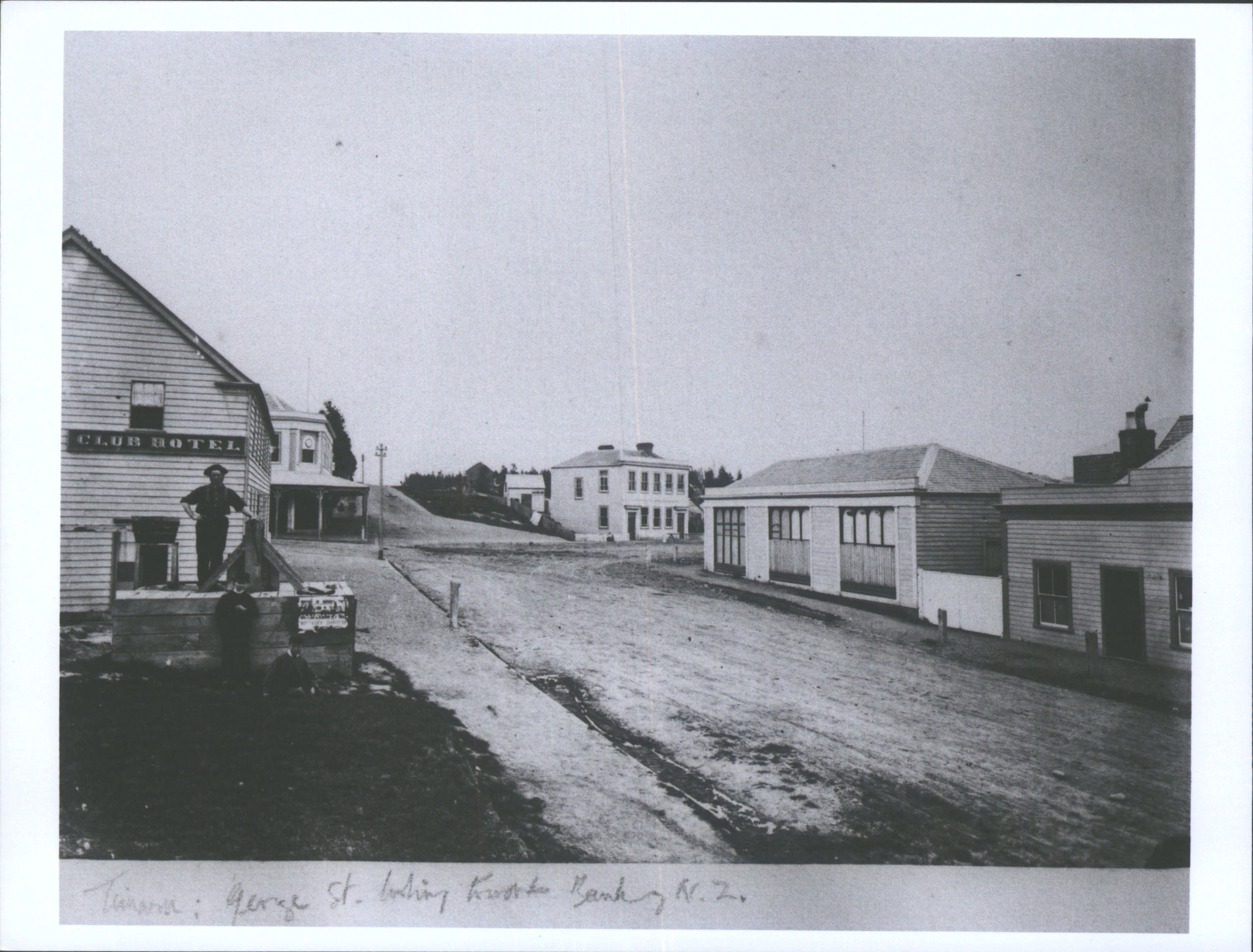
George St, Timaru, looking toward Bank of N.Z.. Hocken Digital Collections, https://hocken.recollect.co.nz/nodes/view/23463
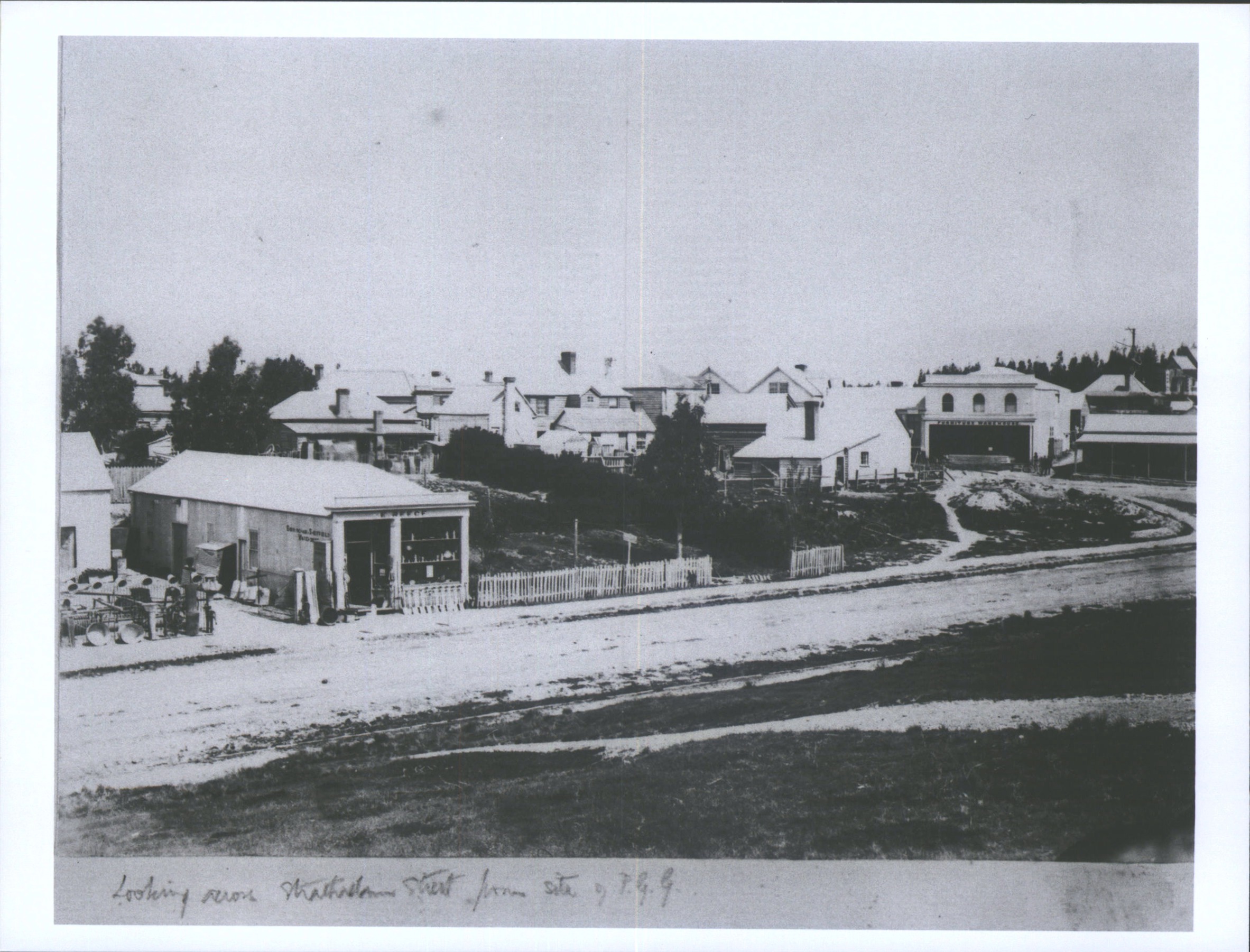
Looking across Strathallan Street from site of P.G.G.. Hocken Digital Collections, https://hocken.recollect.co.nz/nodes/view/23481
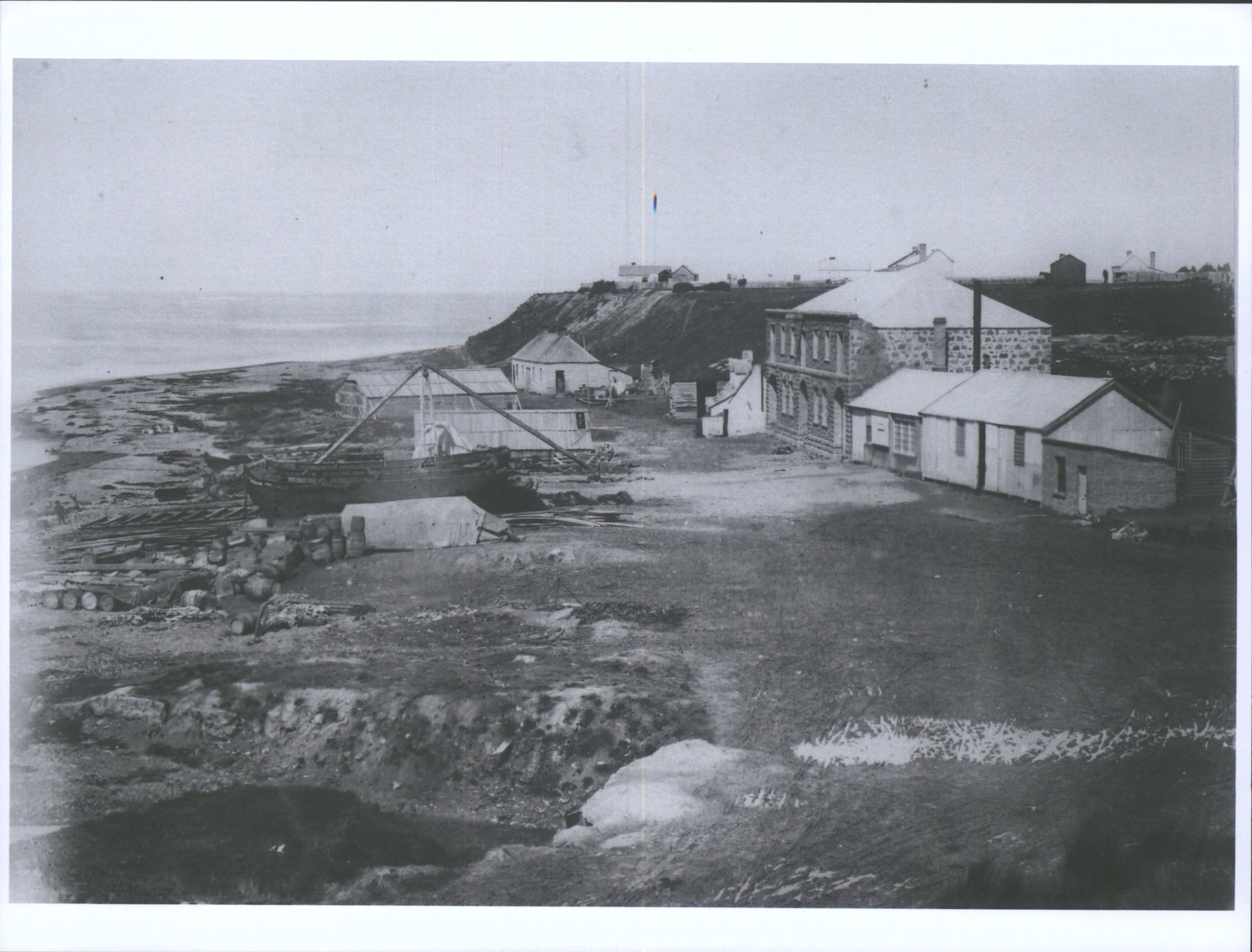
Boat launch. Hocken Digital Collections, https://hocken.recollect.co.nz/nodes/view/23485
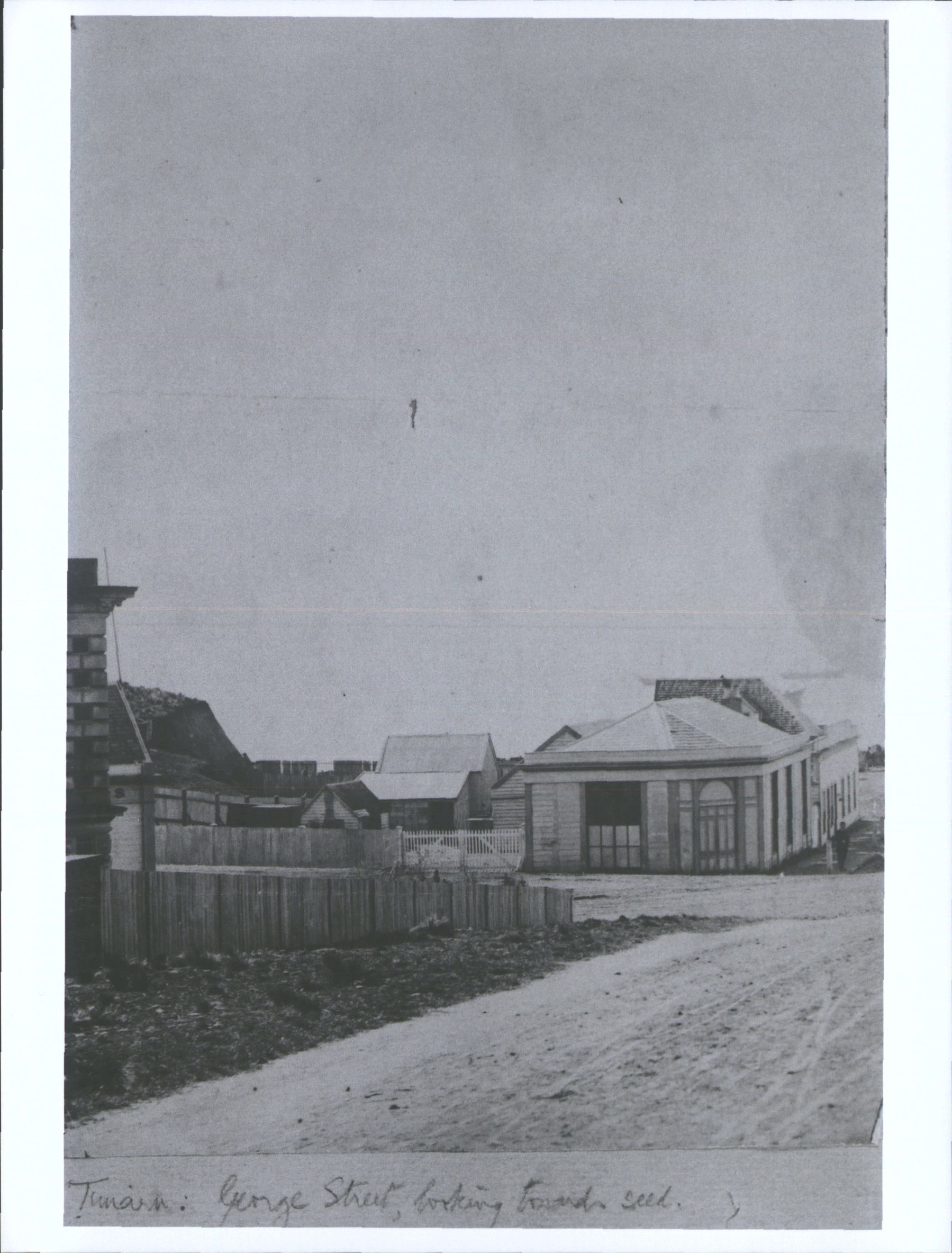
George St, looking towards seed. Hocken Digital Collections, https://hocken.recollect.co.nz/nodes/view/23488
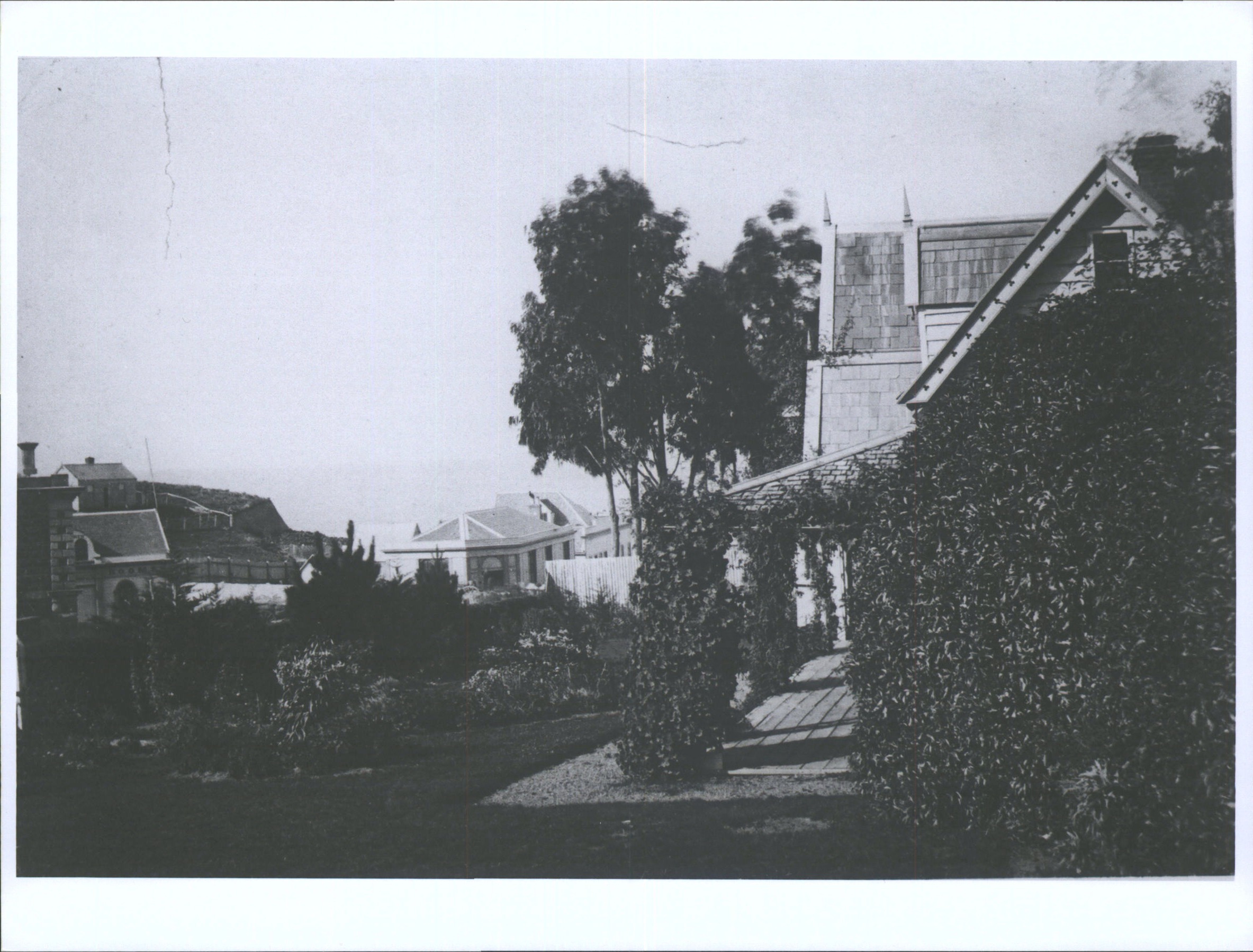
Guyzon House looking towards sea. Hocken Digital Collections, https://hocken.recollect.co.nz/nodes/view/23492
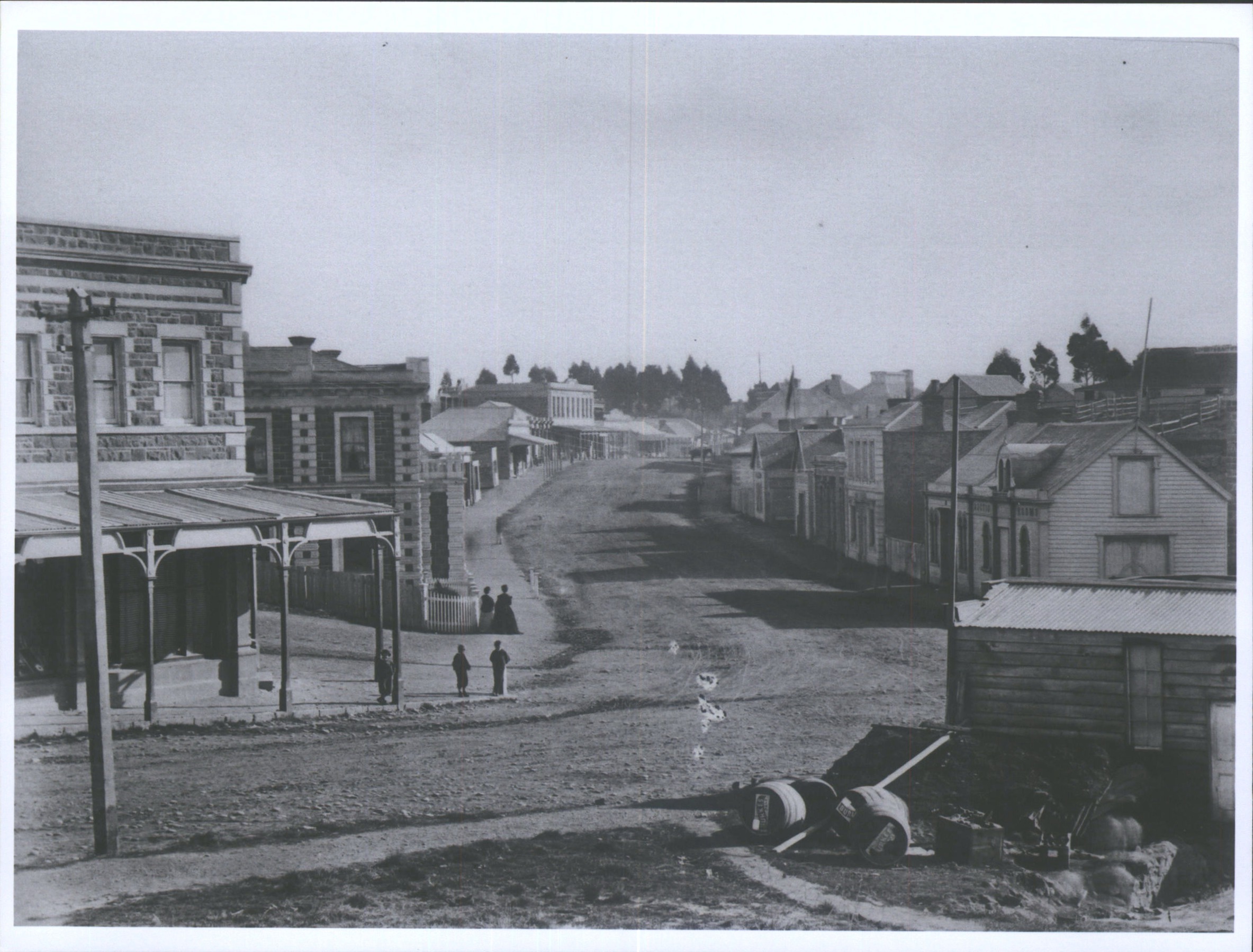
George Street. Hocken Digital Collections, https://hocken.recollect.co.nz/nodes/view/23495
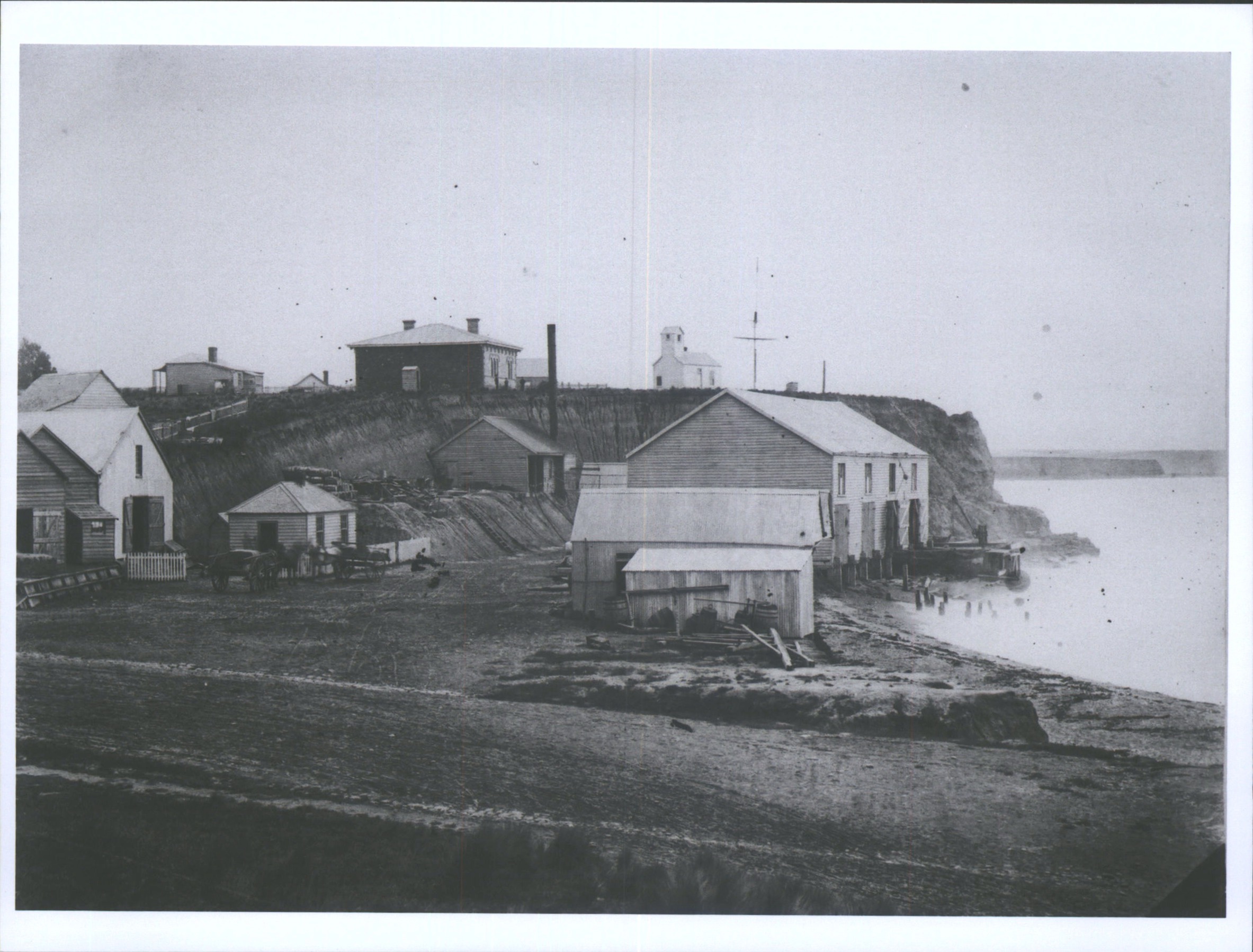
Timaru waterfront. Hocken Digital Collections, https://hocken.recollect.co.nz/nodes/view/23499
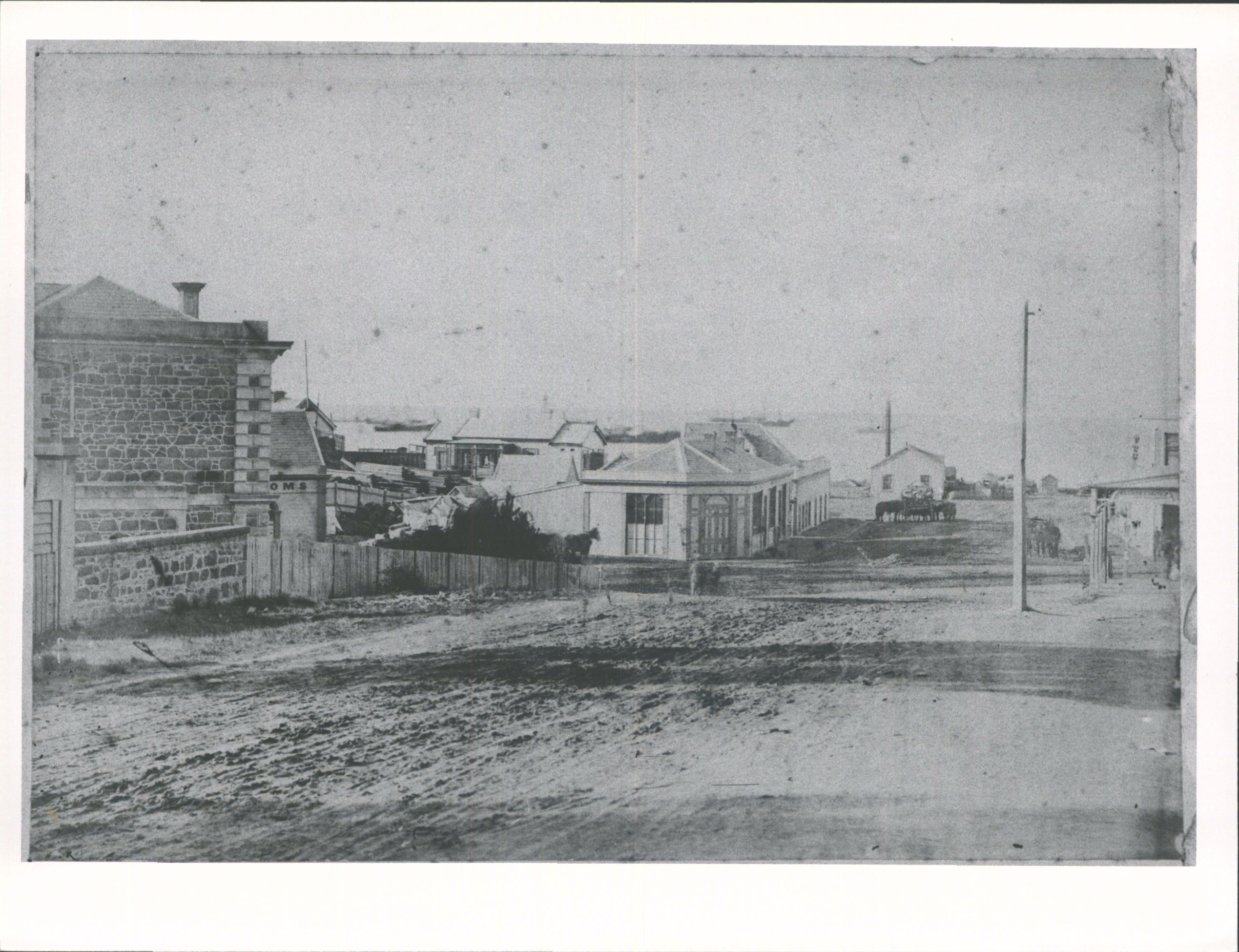
George Street, Timaru (1869-70). Hocken Digital Collections, https://hocken.recollect.co.nz/nodes/view/23512
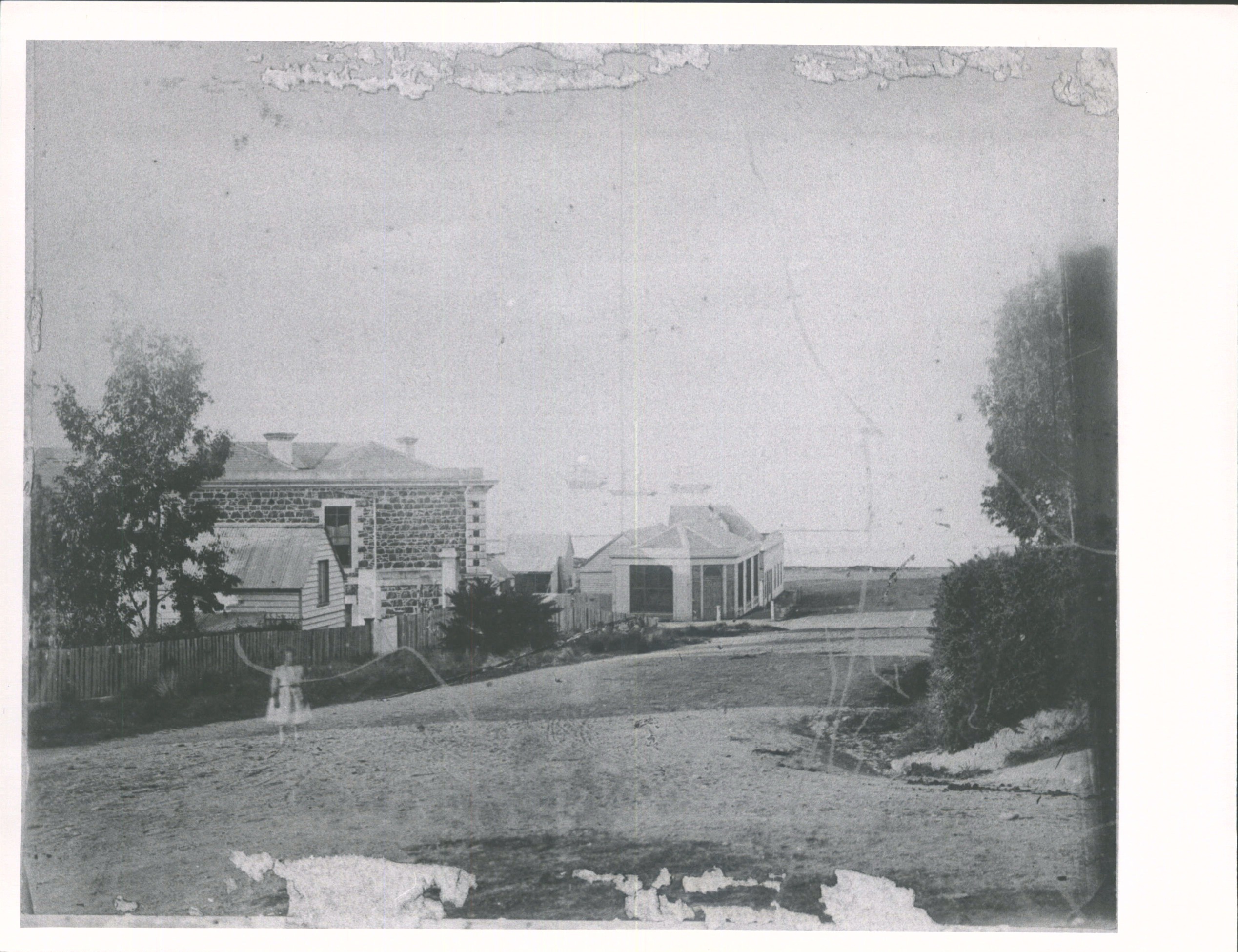
George St, Timaru, looking towards the sea (C. 1870). Hocken Digital Collections, https://hocken.recollect.co.nz/nodes/view/23684
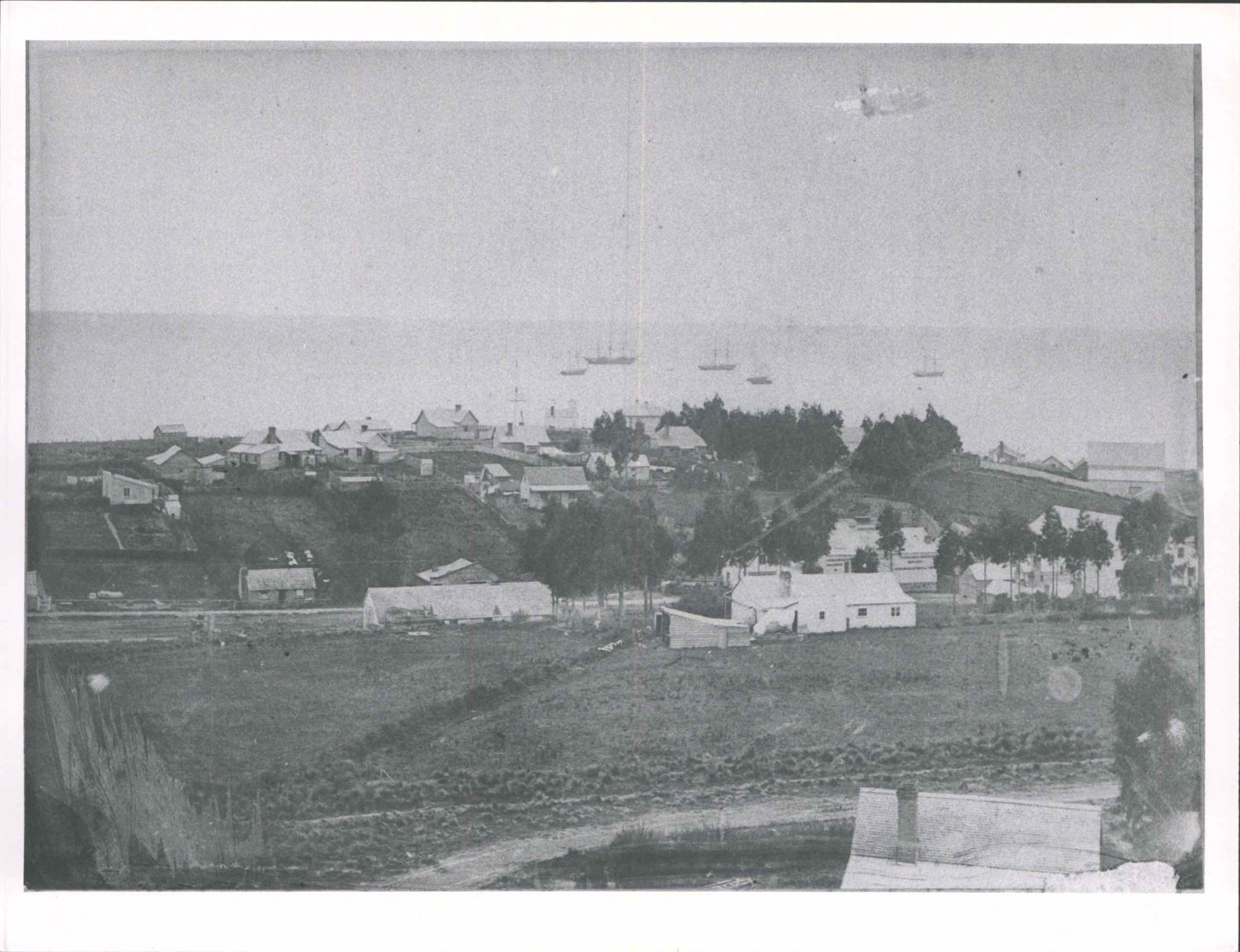
View over Timaru looking towards the Sea (1860-1870). Hocken Digital Collections, https://hocken.recollect.co.nz/nodes/view/23632
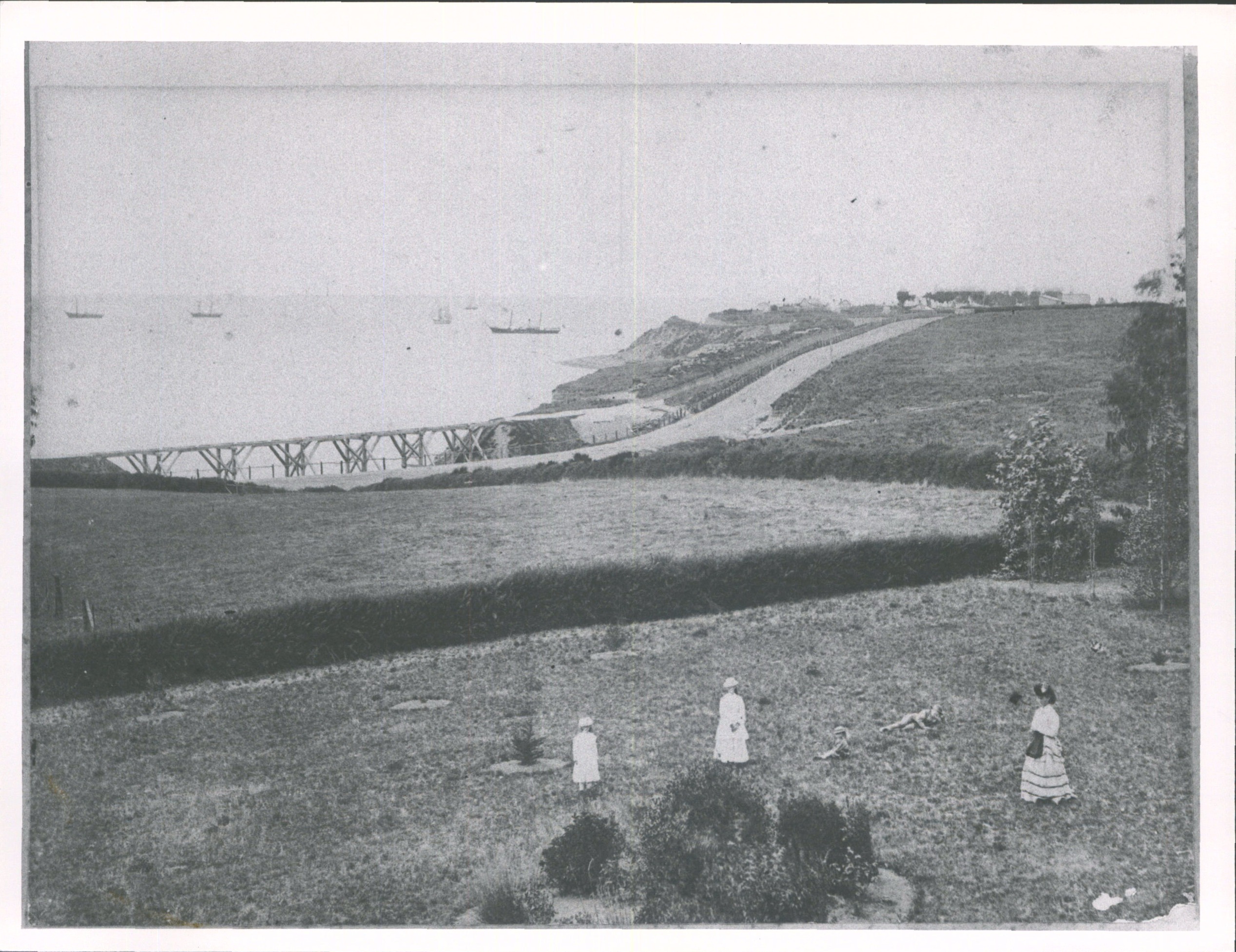
Looking towards the sea near Timaru (1871-1875). Hocken Digital Collections, https://hocken.recollect.co.nz/nodes/view/23692