
By Roselyn Fauth
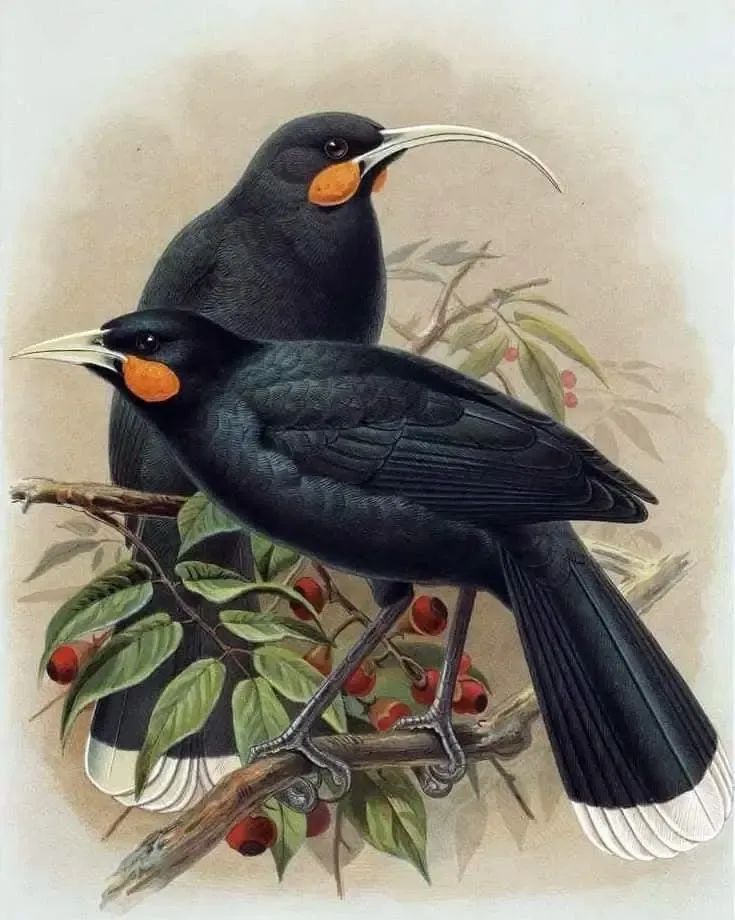
"Huia (male and female) Heteralocha acutirostris" By J. G. Keulemans, in W.L. Buller's A History of the Birds of New Zealand. Published 1888. Males have a shorter straighter bill, where the females is longer and curved. The huia was a taonga to Māori. They protected the bird with a rāhui during breeding season. The bird was driven to extinction by forest clearance, introduced pests, collectors and museums, the feather fashion craze after 1901, and weak protection all contributed to the huia’s extinction. It was a painful irony: a bird revered as sacred taonga was reduced to a collectible and a fashion accessory.
I Love the book Buller’s Birds, inside are facinating feathered creatures but were they foe or friends? I remember reading that when Captain Cook reached New Zealand he could hear the bird singing from his ship. The sound must have been extraordinary. Perhaps there were so many that in was unfathomable that they could be lost. Inspired by Sir David Attenborough's 100th birthday, I thought I would write a few blogs about the importance of looking closely and being aware of our natural world, and give some specific examples.
Today's blog is about the huia... a remarkable North Island bird, who gives us a warning that belongs to all of Aotearoa. The huia is a sad example of how a species can disappear through a chain of human choices. The huia reminds us to notice, protect, and act before silence in our forests and gardens is all that remains...
The huia was one of Aotearoa New Zealand’s most extraordinary birds. It did not live in South Canterbury. The accepted evidence places the huia in the North Island, not the South Island. New Zealand Birds Online says pre-human huia bone remains show it was common throughout the North Island but absent from the South Island, while Te Papa says traces of the huia have only ever been found in the North Island.
But its story still belongs here, because it helps us ask a sharper question about our own place: what have we lost, changed or overlooked because we did not understand our impact in time? This is not just a story about one extinct bird. It is about a pattern. When people change habitats, collect what is precious, ignore warning signs and act too late, the living world grows quieter.
The hero artwork of this blog for Buller's bird book shows the huia beautifully, but also shows what admiration could not save
Huia (male and female), Heteralocha acutirostris, by J. G. Keulemans, from W. L. Buller’s A History of the Birds of New Zealand, published in 1888, makes a powerful hero image for this story. The National Library records it as Plate II, drawn and lithographed by J. G. Keulemans, showing two huia on branches of tītoki.
At first, the artwork invites us to admire. We see the elegance of the birds, the curve of the female’s bill, the shorter bill of the male, and the tail feathers that became so desired. Then the meaning shifts. By the time this image was published, the huia was already in trouble. The artwork preserved the bird on paper, but paper is not a forest. Ink is not birdsong. A beautiful plate in a book cannot replace a living call.
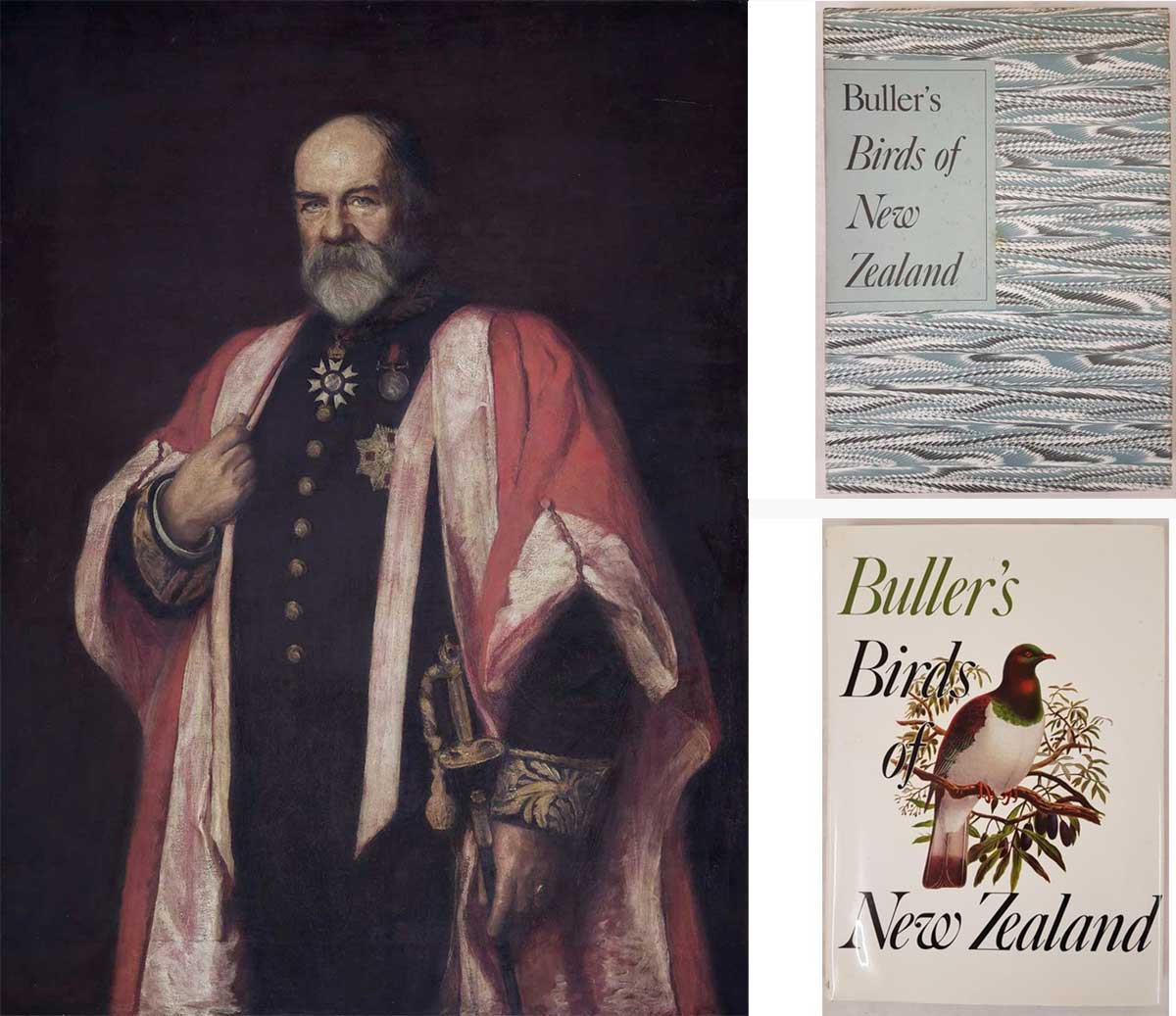
LEFT: Sir Walter Buller, a naturalist. Sir Walter Lawry Buller (1838–1906) was a New Zealand naturalist who wrote the classic study in ornithology A History of the Birds of New Zealand. Portrait of Sir Walter Buller, circa 1903, London, by Ethel Mortlock. Purchased 1967 from Wellington City Council Picture Purchase Fund. Te Papa (1967-0028-1). Rights: Public domain. RIGHT: Buller’s Birds of New Zealand: a new Edition of Sir Walter Lowry Buller’s “A History of the Birds of New Zealand”, reproducing in six-colour offset, the 48 stone-plate lithographs by J G Keulemans from the 2nd edition 1888, now edited and brought up to date by E G Turbott. Macdonald London, 1967, Folio, fine in dust jacket I marbled paper covered slipcase. This volume contains all the colour plates from the 1888 edition.
- Buller, W.L. 1878. On the egg of the huia (Heteralocha acutirostris). Transactions and Proceedings of the New Zealand Institute 10: 212.
- Buller, W.L. 1888. A history of the birds of New Zealand. Van Vorst: London.
- Buller, W.L. 1893. Further notes on the birds of New Zealand. Transactions and Proceedings of the New Zealand Institute 25: 63-68.
The huia was shaped by the forest in a way no other bird was. It was the largest of Aotearoa's wattlebirds
Imagine the forest before the silence... A flash of black among the leaves, a blue green sheen in the light, orange wattles at the base of the bill, and long tail feathers tipped with white. Then a call, remembered as uia, uia, uia. Some described it as sounding like “where are you?” That feels especially haunting now.
One of the huia’s most remarkable features was the difference between the male and female beaks. Te Papa notes that no other bird has been recorded with such a significant difference in the size and shape of the male’s and female’s bill. The male used his shorter, straighter bill to penetrate decaying logs and fossick for grubs, while the female used her longer, curved bill to probe into places beyond the male’s reach.
The male and female often fed together, but the safest scientific wording is not that they “worked together” in a proven co-operative sense. Te Papa explains that the bill differences probably reduced competition for food between the sexes, rather than proving active co-operation.
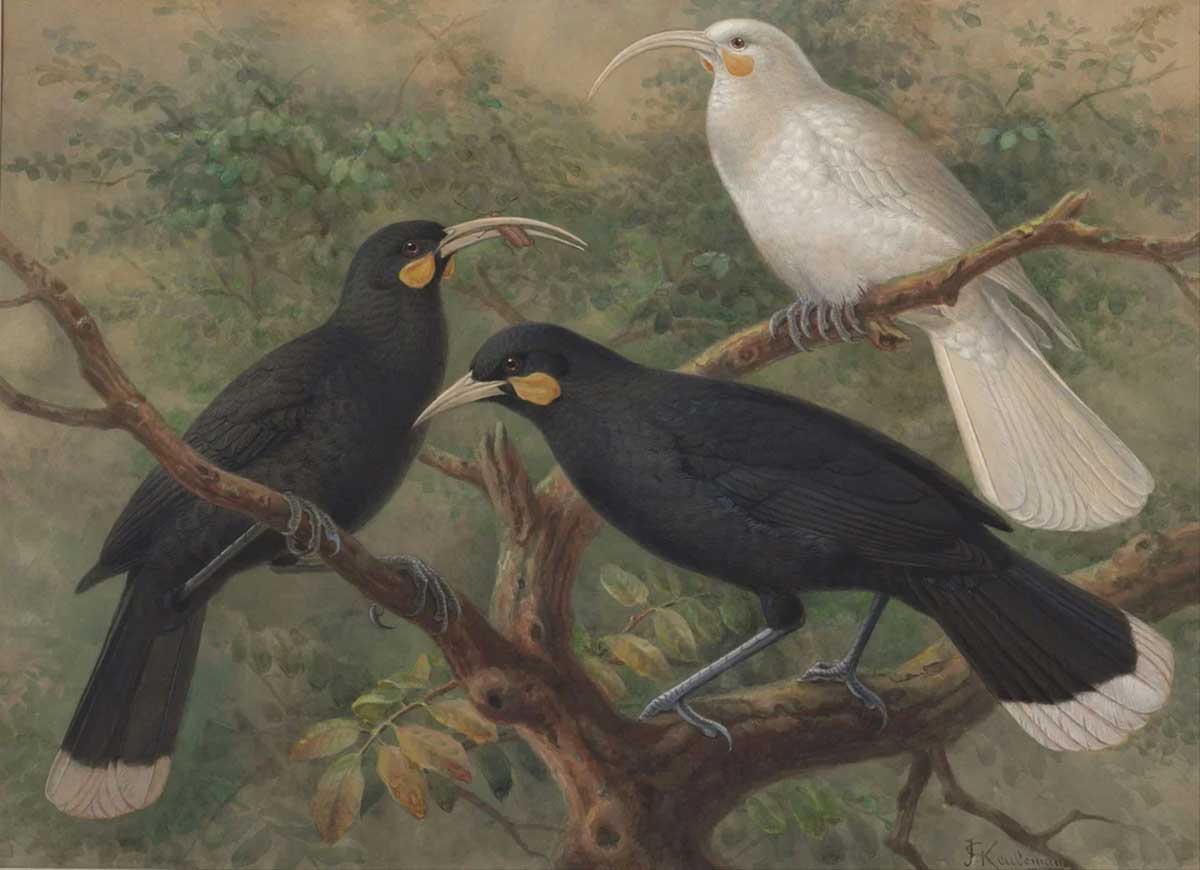
Huia birds in a tree, including a female albino bird. This painting of three huia Heteralocha acutirostris (Gould, 1837) is by Johannes Keulemans. The black male and female are joined by a rare huia-ariki or albino huia. Three huia (Heteralocha acutirostris), circa 1900, London, by Johannes Keulemans. Purchased 1993 with New Zealand Lottery Grants Board funds. Te Papa (1993-0029-6). Rights: Public domain. Living mainly on the forest floor left huia vulnerable to introduced predators like rats, dogs and wild cats. With much of their habitat destroyed for cultivation and the former prohibition on year-round hunting disregarded, the huia had nowhere to hide.
To Māori, the huia was taonga, valued through mana, tikanga and restraint
To Māori, the huia was taonga. Its feathers carried mana and were worn by rangatira and people of high rank. New Zealand Geographic describes the huia as especially sacred to Māori, with its distinguished tail feathers worn by chiefs and their whānau.
This matters because the huia’s story is not simply about people valuing a bird too much. It is about different kinds of value colliding. Within tikanga, the huia was connected to whakapapa, responsibility, restraint and respect. With European settlement came new forms of pressure: collecting, commerce, museums, fashion, and the desire to own what was beautiful.
This was our countries "woodpecker", the largest of the five New Zealand wattlebird species similar to North Island saddleback, Tīeke. The last accepted sighting was in 1907, but it is likely that a few huia around in the 1920s. They were 45 cm (male); 47 cm (female). Huia bred as monogamous pairs during September-February. Young remained in the family group, fed by both adults, for at least three months. Huia mainly consumed wood-dwelling insects and their larvae, including huhu, weta, mantis, butterfly, also spiders, taken from decaying wood, bark, lichen, moss, ferns and the ground. They also ate native forest fruits, including hinau, pigeonwood, Coprosma, and kahikatea, and "vegetable matter".
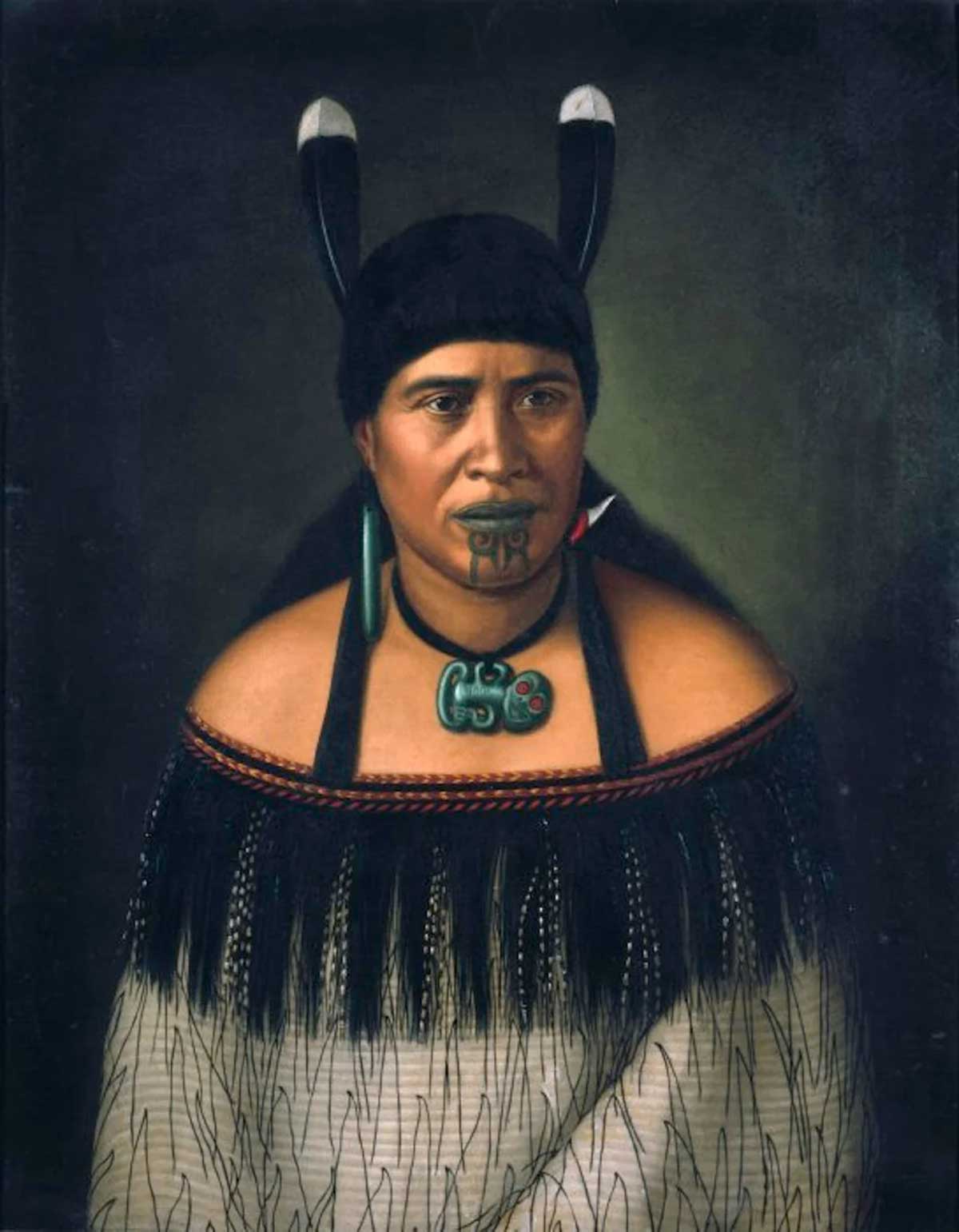
Hinepare (Ngāti Kahungunu) with huia feathers in her hair. Hinepare, a woman of the Ngāti Kahungunu tribe, c. 1890, by Gottfried Lindauer. The huia feathers proudly displayed in her hair indicate a person of great mana. Rights: Public domain
Tail Feathers of the Huia were worn by rangatira
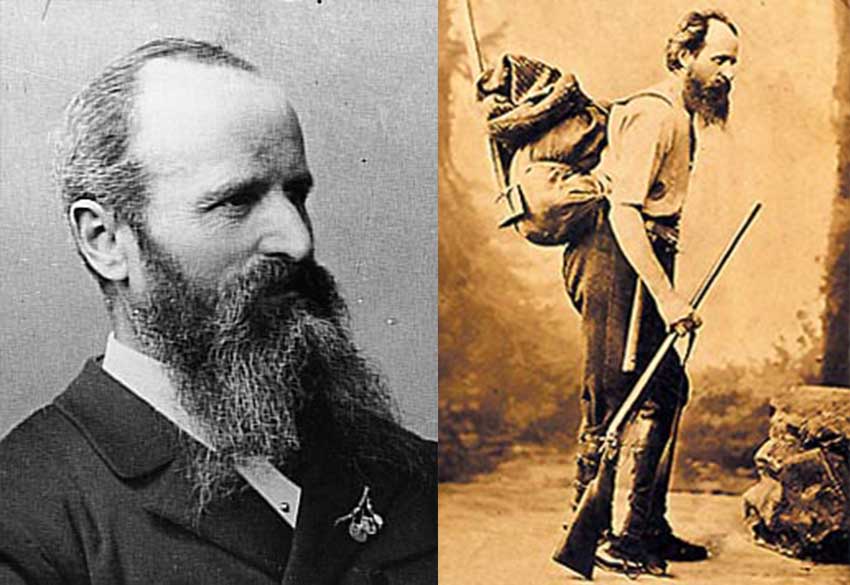
A portrait of Reischek and Studio portrait of Andreas Reischek in expedition outfit, c. 1880 By Unknown author - http://www.khm.at/entdeckungen/fors/for09reiE.html, Public Domain, https://commons.wikimedia.org/w/index.php?curid=5275229. Andreas Reischek was an Austrian taxidermist, naturalist and ornithologist who came to New Zealand in 1877 to help prepare museum displays, first at Canterbury Museum and later through work connected with other museums and private collections. He travelled widely through New Zealand and its sub-Antarctic islands, collecting thousands of bird, animal and ethnographic specimens, including examples of now-extinct species such as the huia. While his work added to scientific knowledge of New Zealand birds, his legacy is deeply troubling today because of the scale of his collecting, his killing of rare birds, and his removal of Māori and Moriori ancestral remains from burial sites, some of which were only repatriated from Vienna to Te Papa in 2022.
Andreas Reischek took 212 pairs between 1877 and 1889. Tail feathers could sell for £1 each, and some sold for as much as £5. Thousands were exported overseas. The last accepted sighting was in 1907.
The huia was lost through a pattern of human choices, not one single event
If we were to draw the huia’s extinction as a diagram, it would not be a single arrow. It would be a web. One line would be forest clearance. Another would be introduced predators. Another would be hunting. Another would be museum collecting. Another would be private collectors. Another would be fashion. Another would be weak protection.
Each pressure on its own might seem incomplete as an explanation. Together, they formed a trap. New Zealand Birds Online identifies introduced mammal predation and human hunting as likely causes of extinction, and notes that overseas collectors and museums bought mounted specimens and tail feathers. It also records that Austrian naturalist Andreas Reischek took 212 pairs between 1877 and 1889, and that thousands of huia were exported overseas.
That is often extinction has often happened in New Zealand. A forest is cleared, a bird is taken, a feather is sold, a specimen is mounted. The warning arrives too late and before we all know it the birds call is gone.
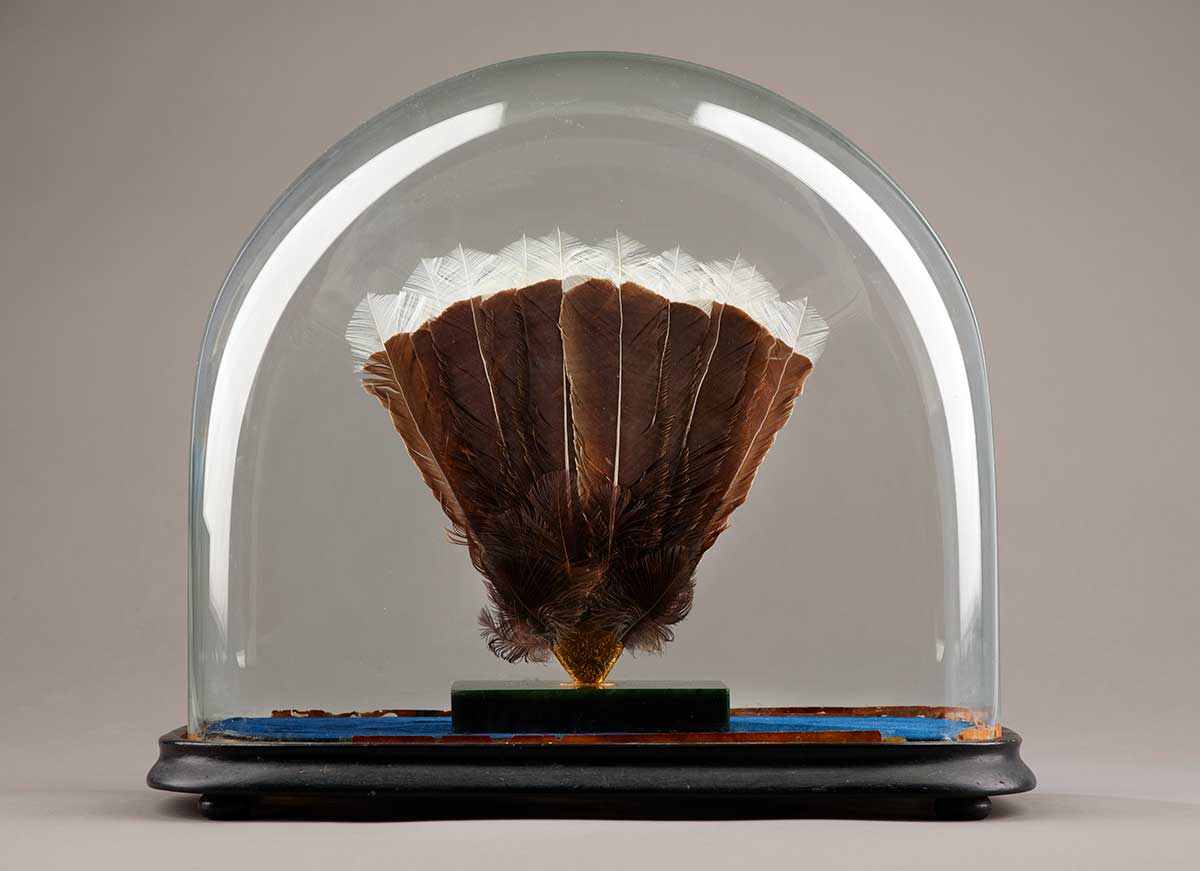
Huia tail feathers, mounted on gold and pounamu., circa 1900, New Zealand, maker unknown. Purchased 2012. CC BY-NC-ND 4.0. Te Papa (GH023755)
A PAINFUL IRONY WAS... A bird revered as sacred taonga was reduced to a collectible and a fashion accessory.
The huia was noticed, admired and collected, but not protected in time
The huia was not lost because nobody noticed it. That is what makes the story so unsettling. People did notice. Naturalists studied it. Artists painted it. Museums wanted it. Collectors wanted pairs because the male and female looked so different. Traders wanted feathers. Fashion wanted beauty.
Te Papa notes that Europeans were captivated by the huia’s beauty and unusual bill differences, and that the huia became a target for collectors, to be stuffed and mounted as decoration in wealthy homes. It also notes that hats trimmed with huia feathers became fashionable.
The huia became valuable in the wrong way... a species can be loved and still be lost. Admiration is not the same as protection. To name something, draw it, classify it, collect it or display it is not enough. Care has to keep the living thing alive.
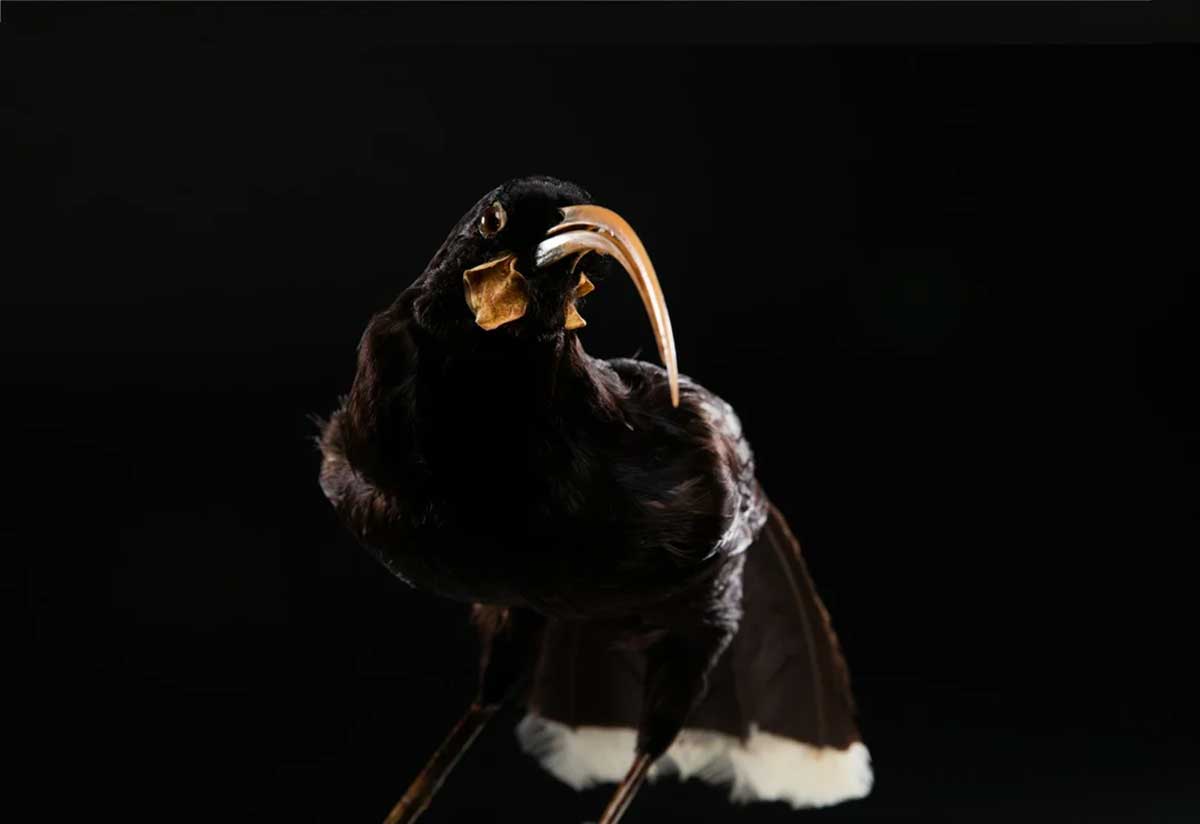
A recreation of the extinct huia. A recreation of the extinct huia (Heteralocha acutirostris). The huia were the largest of the five New Zealand wattlebird species. The last confirmed sighting was in 1907, but it is thought that a few huia persisted into the 1920s. Rights: Auckland Museum, CC BY-SA 4.0
The 1901 feather gift helped turn sacred taonga into a fashion craze
In 1901, during the Duke of York’s visit to New Zealand, a high-ranking Māori woman placed a huia feather from her own hair into his hatband at Whakarewarewa.
After the Duke was photographed wearing the feather, huia feathers became fashionable in Britain. New Zealand Birds Online also states that tail feathers became fashionable in Britain after the Duke of York was photographed wearing one during his 1901 visit.
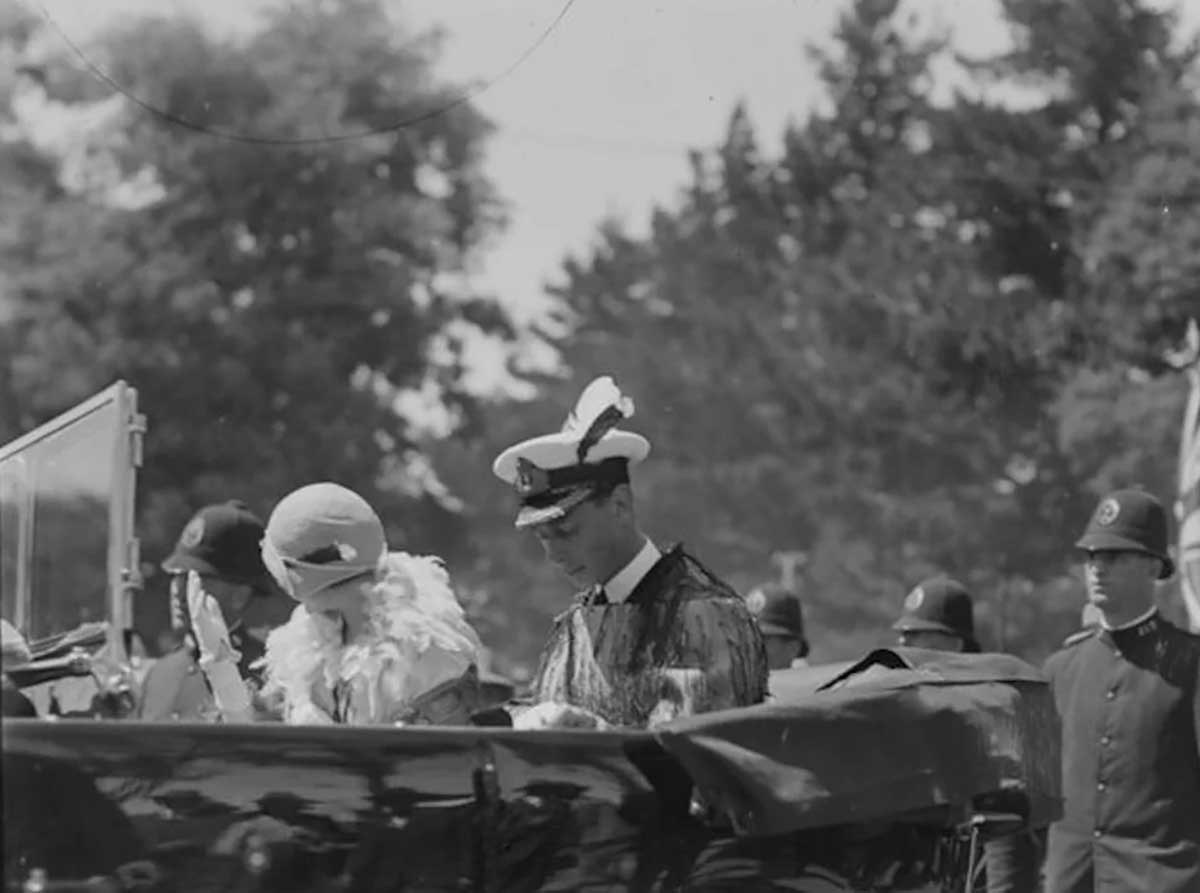
The Duke and Duchess of York on a visit to New Zealand in 1901. Both wear huia feathers in their hats, gifted to them during the visit. Duke and Duchess of York with huia feathers in their hats after a reception. Whites Aviation Ltd: Photographs. Ref: WA-25130-G. Alexander Turnbull Library, Wellington, New Zealand. /records/22713169 - Rights: Whites Aviation Ltd, Alexander Turnbull Library
A TURNING POINT: In 1901, a high-ranking Māori woman gifted a huia feather to the Duke of York. After he was photographed wearing it, huia feathers became a fashion sensation in Britain.
Demand grew at the worst possible time. A sacred taonga was flattened into a status accessory. The huia was already rare. Protection had come, but it was weak. Plans to move birds to island reserves did not succeed. The last confirmed sighting was in 1907, although Te Papa notes unconfirmed sightings were reported for twenty to thirty years after that.
South Canterbury has its own environmental story of change, loss and survival
The huia did not live here, but South Canterbury has its own story of environmental change. Long before Timaru became a port town, this region was already a living landscape of rivers, wetlands, coastal places, forests, birds, insects, fish, plants and people.
The Ōrāri Temuka Ōpihi Pareora water zone is in the rohe of Arowhenua rūnanga. It contains hill-fed braided rivers and coastal areas with strong and complex links between groundwater and surface water. Environment Canterbury notes that many wetlands have been drained, but pockets of unique natural value have survived.
Then came another wave of change: settlement, farming, drainage, roads, harbours, towns and industry. Much of this history built the communities we know today. But it also changed the living systems that were already here. Both things can be true. People made homes. People also caused harm. Often, they did not fully understand the scale of that harm until much later.
- South Canterbury’s ecosystems have changed dramatically over time.
- About 90% of wetlands in Aotearoa have been lost in the last 150 years.
- Canterbury holds about 60% of New Zealand’s braided river habitat.
- From Timaru to the Rangitata hāpua and the Ōpihi, what survives now depends on protection and kaitiakitanga.
South Canterbury is not a fixed landscape — it is a system in motion. It is made by mountains rising, ice grinding, rivers carrying, wind spreading, waves reshaping, Over and over again.
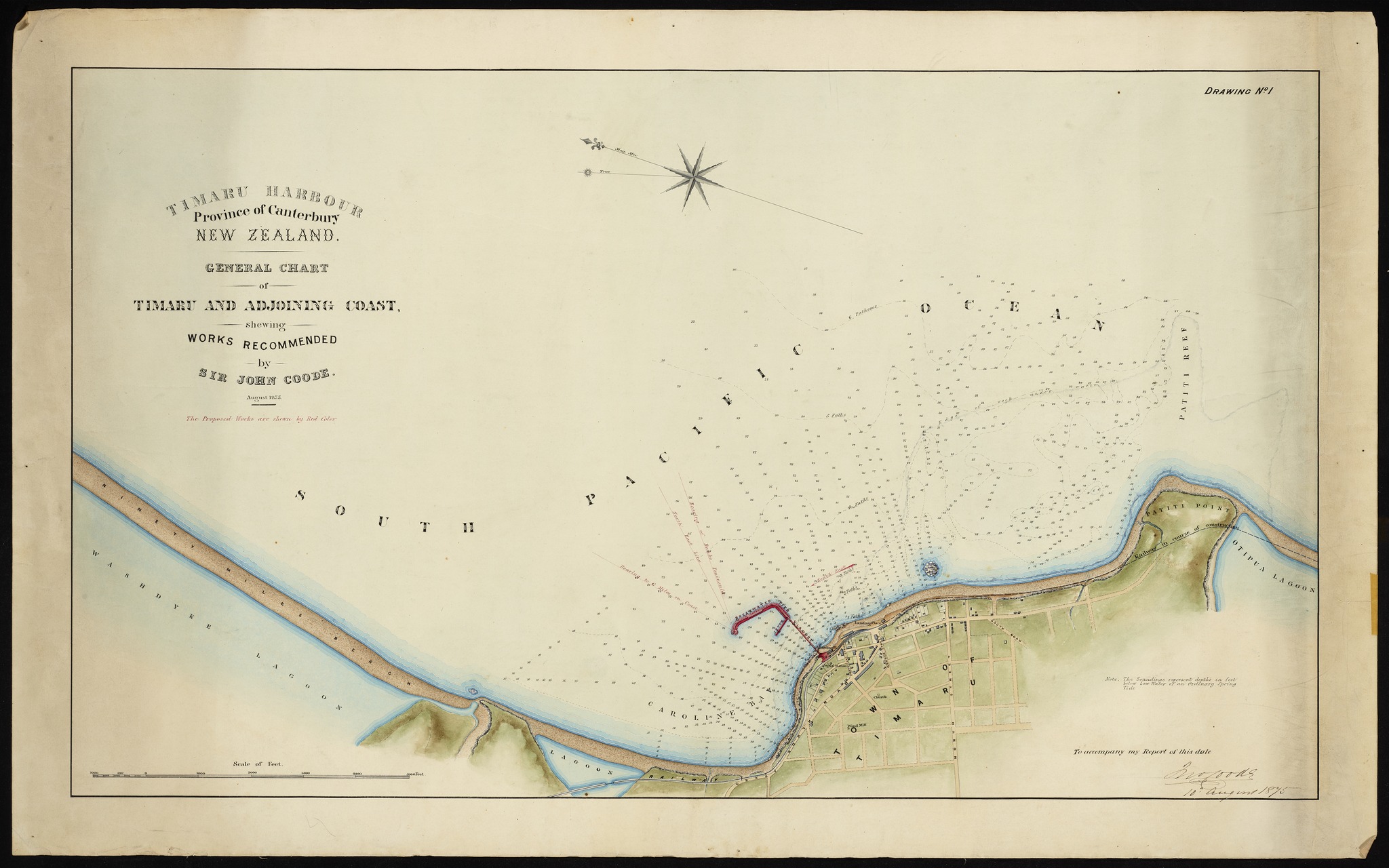
This old map shows just how different the coastline looked before the harbour construction got underway in 1878 with the 700m southern breakwater, designed by John Goodall. Timaru Harbour, Province of Canterbury : general chart of Timaru and adjoining coast by Sir John Coode showing works recommended by Sir John Coode, August 1875. The proposed works are shown by red colour.
Timaru Foreshore. NZ Heritage Maps Platform, accessed 10/09/2024, https://maps.recollect.co.nz/nodes/view/404
If you visited the Ōtipua Wetlands today, you will notice there has been an effort to restore the plantings and wildlife there. But the size of the wetland is much smaller.
 Ōtipua Wetlands used to be a huge lagoon separated from the coast by a gravel spit. It is a place rich with fish and bird life. A food basket for takata whenua, especially tuna (eel. harakeke, pingao, raupo for weaving and mokihi. The early settlers of the area lived on kokopu. The saltwater catchment goes right up to the to top of Mt Horrible, Claremont, Rosebrook and Fairview. A huge effort has gone into the wetlands to restore them. All vegetation sourced locally with native species to match the three underlying eco systems. Wetland, shrub land and forested areas.
Timaru and South Canterbury’s coastline shows how one human decision can reshape an entire environment
Timaru’s coastline helps us see this clearly. A harbour is not just a harbour. A breakwater is not just a wall. When people change a coastline, they change currents, shingle movement, beaches, habitats and the way a community meets the sea.
Te Ara notes that after Timaru’s artificial harbour was built, currents created a sandy beach under the cliffs at Caroline Bay, inviting bathers and visitors. It also records that because the coastline changed after Timaru’s port was built, Washdyke Lagoon is much smaller than it once was.
Caroline Bay is loved today and is part of how many people imagine Timaru. But it is also a reminder that human decisions can reshape a whole coast. Sometimes the results are celebrated. Sometimes there are costs. Often, both things are true at the same time.
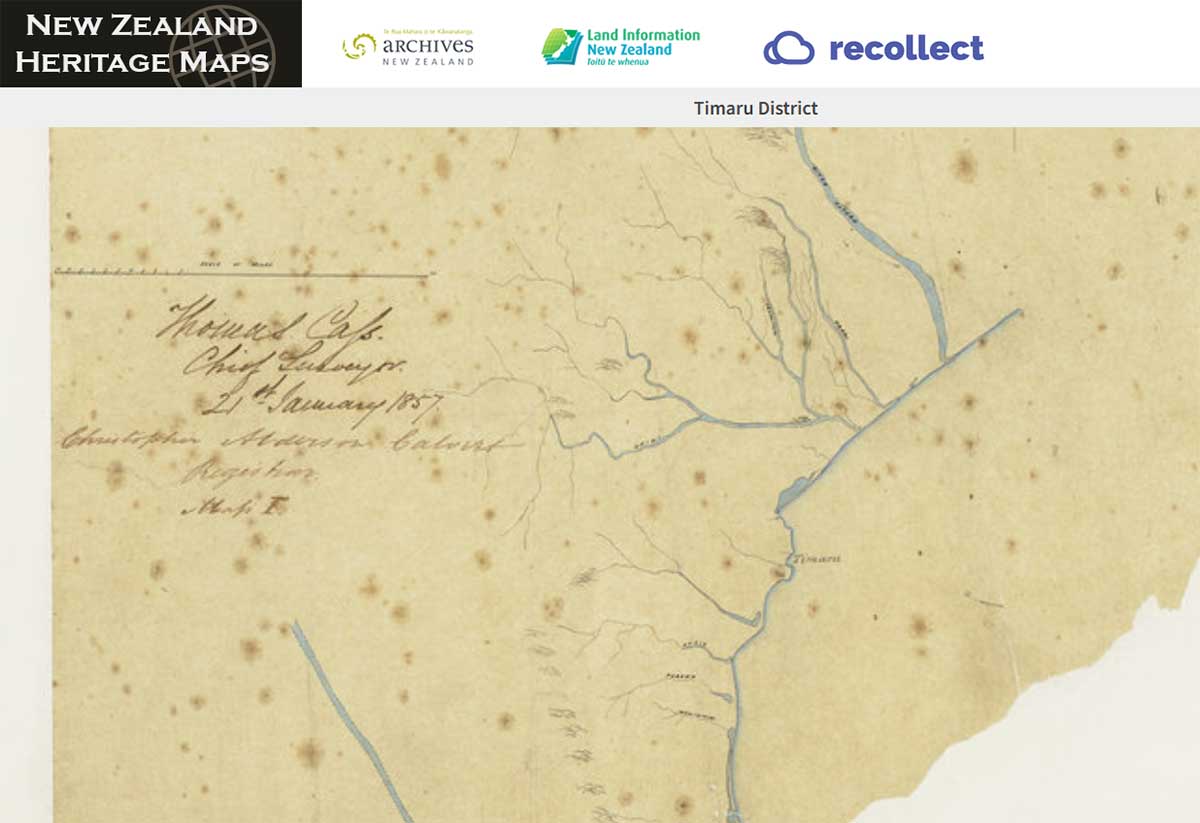
It is interesting to look at old maps and see how the catchment was recorded. It also shows what we have lost. In this map we see how large the Waitarakao Washdyke Lagoon used to be. Timaru District (1857). NZ Heritage Maps Platform, accessed 07/05/2026, https://maps.recollect.co.nz/nodes/view/2447 Held by: Archives New Zealand/Te Rua Mahara o te Kāwanatanga, Christchurch Regional Office
South Canterbury’s wetlands, rivers and remnants are living systems, not empty spaces
South Canterbury still has precious living systems. Some are obvious. Some are easy to miss. A wetland may look like rough ground. A braided river may look like empty gravel. A lagoon may look like still water. A river mouth may look like a gap in the coastline. But these places are alive.
Environment Canterbury states that around 90 percent of wetlands by area have been lost in Aotearoa New Zealand in the last 150 years due to human impact. It also says wetlands remain vital ecosystems, providing habitat for native plants and wildlife, protection against flooding and carbon storage.
Canterbury’s braided rivers are nationally important too. A Department of Conservation field guide describes braided rivers as very special habitats with plant and animal communities found nowhere else in the world, and says Canterbury contains 60 percent of New Zealand’s braided river habitat.
That means we have something special here, not somewhere else. Here.
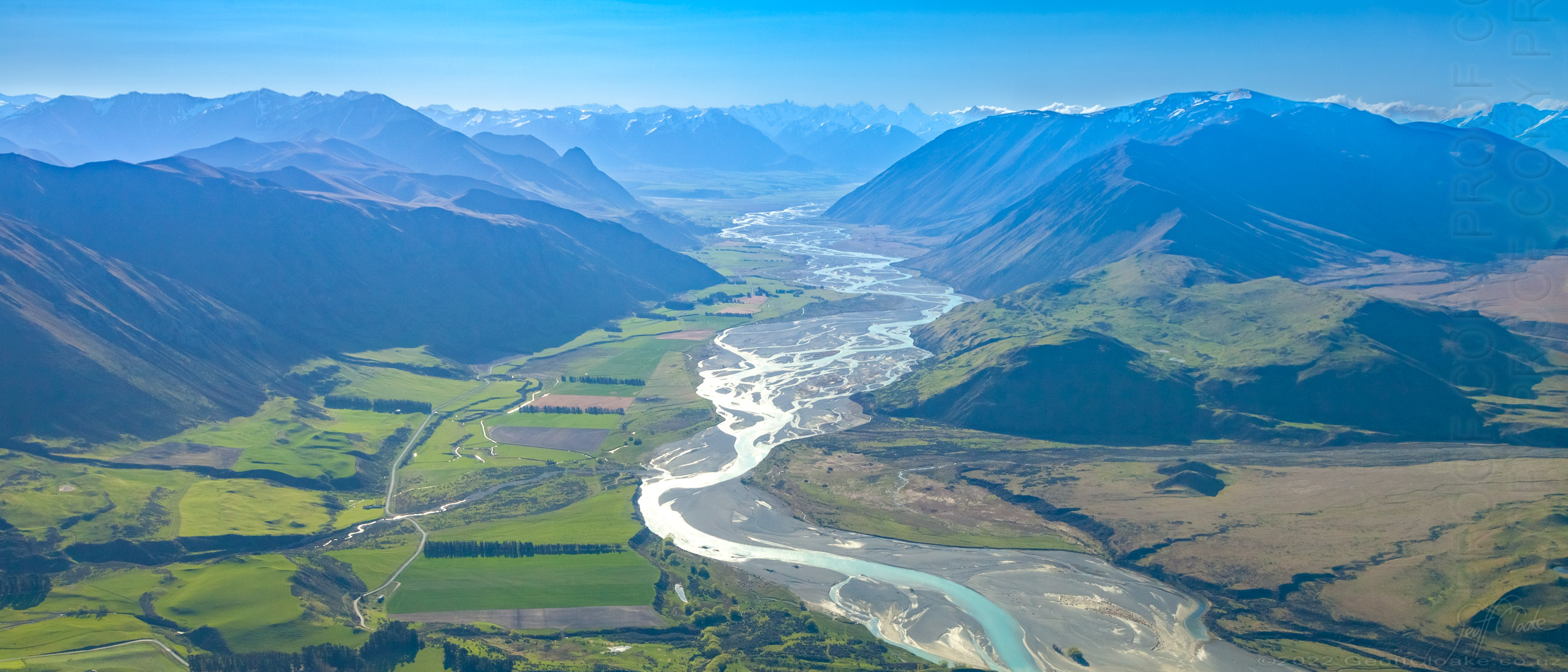
Photos of the Rangitata River By Geoff Cloake - Copyright
What survives in South Canterbury still needs noticing and protection
This is not only a story of loss. It is also a story of survival. South Canterbury still has places that hold ecological memory: Peel Forest, Washdyke Lagoon, the Ōpihi, the Rangitata hāpua, coastal margins, wetland remnants, braided river habitats and small places where rare species continue to hold on.
Environment Canterbury identifies Peel Forest as one of Canterbury’s best remaining examples of beech, podocarp and broadleaved forest. It also identifies Washdyke Lagoon as significant habitat for vulnerable species, long-tailed bats along places such as limestone outcrops near the Ōpihi River, Canterbury mudfish in freshwater wetland and stream networks, kātipo at the Ōrāri river mouth, and the Canterbury knobbled weevil, once believed extinct and rediscovered at Burkes Pass in 2004.
These places and species may not be as famous as the huia. They may not appear on a royal hat or in a nineteenth century bird book. But they matter. A beetle matters. A bat matters. A mudfish matters. A spider matters. A river bird matters. A reed bed matters. A remnant matters. The danger is not always that we hate these things. The danger is that we do not notice them.
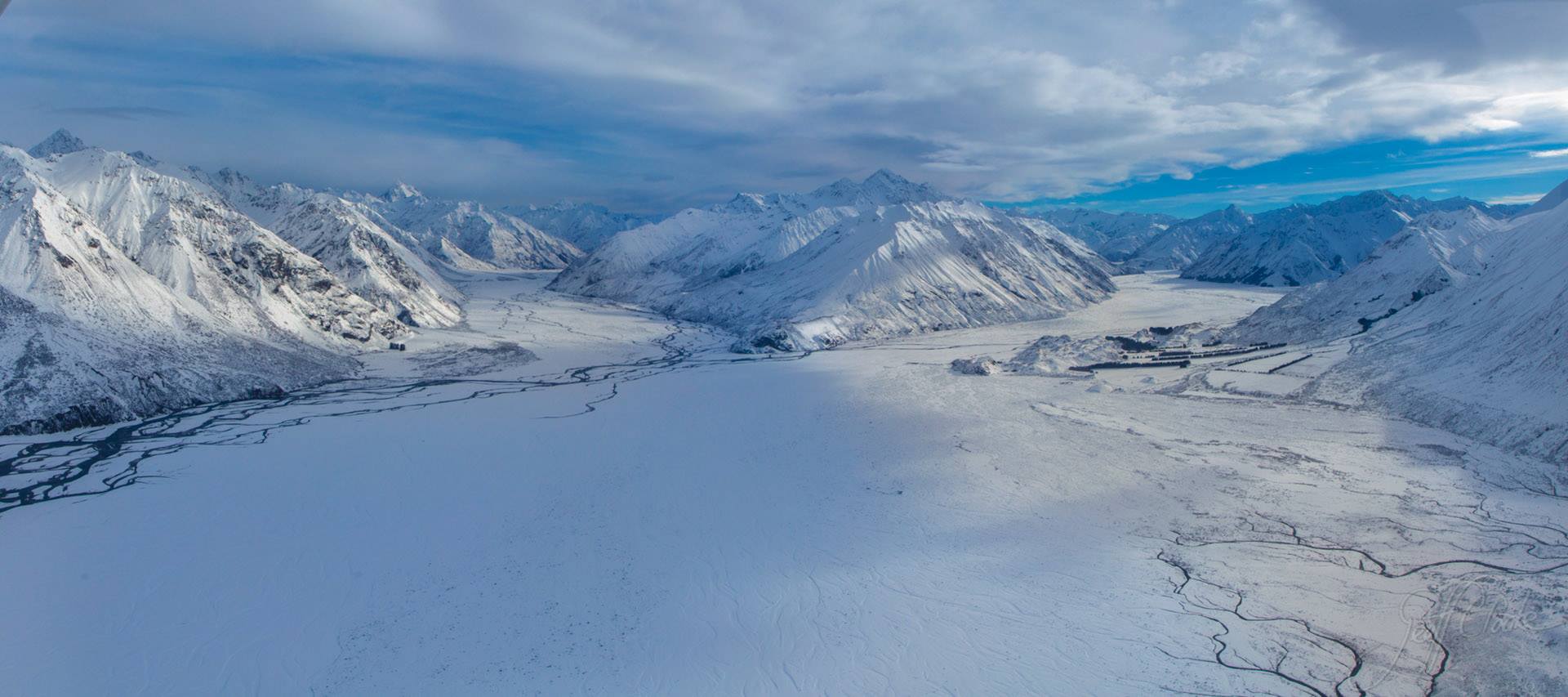
Upper Rangitata looking up the Havelock and Clyde Rivers Erewhon Station to the right Mesopotamia just off to the left - Photography By Geoff Cloake June 2013-copyright
The local lesson is to recognise the pattern before more voices are lost
The huia shows us the pattern: admiration without protection, use without restraint, change without understanding, and warnings heard too late. South Canterbury asks us to look for that pattern close to home. Where have wetlands been drained before their value was understood? Where have rivers been controlled before their living systems were understood? Where have small creatures been overlooked because they were not famous or beautiful?
These questions are not about blame. They are about awareness. They are about growing up as a community. They are about learning to see. Because people did not always understand their impact, we have lost more than we realise: birds, birdsong, wetlands, old forests, nesting places, clean water systems, seasonal abundance, insects, fish, plants and ways of living within limits. Perhaps most dangerously, we have lost humility.
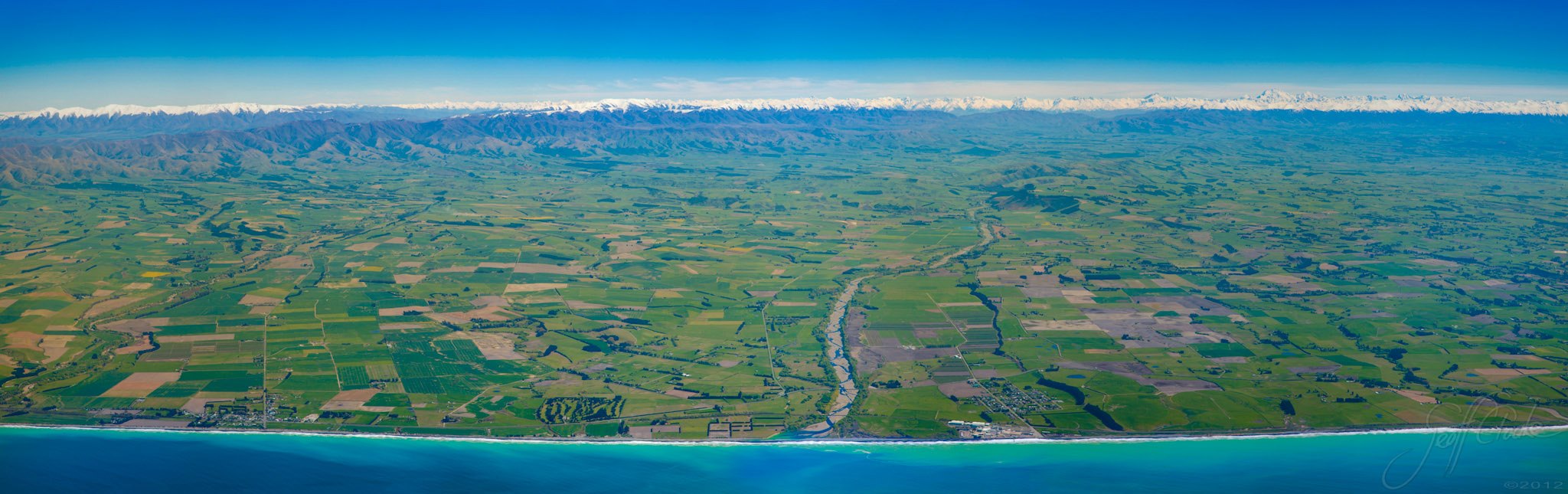
View up the Pareora River from our coastline and the Pacific Ocean. Photography By Geoff Cloake - copyright
The huia asks us to notice earlier, while restoration is still possible
The huia asks us to notice earlier. Notice the bird before it becomes rare. Notice the wetland before it is drained. Notice the river before it is simplified. Notice mātauranga Māori, local knowledge, science, warning signs and what is still here.
Once a species is gone, the best artwork in the world cannot bring back its living call. The Keulemans image can show us the huia, but it cannot let us hear the forest as it was. That is the difference between memory and life.
Restoration work in South Canterbury gives the story a hopeful turn. At Waitarakao, Environment Canterbury says a partnership between Te Rūnanga o Arowhenua, the Department of Conservation, Timaru District Council and Environment Canterbury is working with the community to restore the health of the lagoon and wider catchment. The Rangitata hāpua restoration plan is another example, with goals to increase the mauri and ecological integrity of the hāpua, support indigenous plants and animals important as mahinga kai resources, and respect the role of Te Rūnanga o Arowhenua as kaitiaki.
The remembered call of the huia now asks where we stand
The huia’s call was remembered as uia, uia, uia: “where are you?” More than a century later, that question seems to have turned back on us. Where are we when wetlands need protection? Where are we when braided rivers need room to breathe? Where are we when local species are rare, overlooked or hanging on in small places? Where are we when restoration is still possible?
The huia cannot return to the forest, but its story can still change how we behave here. It can help us notice Caroline Bay as a changed coastline, the Ōpihi as more than a river, Arowhenua as a place of deep whakapapa, Peel Forest as a precious remnant, Waitarakao as a lagoon asking for care, and the Rangitata hāpua as a living system worth restoring.
Remembering the huia is not just sadness, but a responsibility to act
That is the gift of remembering. Not just sadness. A warning. A responsibility. And a chance to act before more voices are lost.
Take notice before creatures are lost. Listen early. Protect habitat. Respect taonga. Support restoration.

As well as walking, cycling, rowing at Salt Water Creek and Ōtipua Wetlands, have you had a go a catching little critters from the water?
Take a stick to poke the ground before you step to check the depth.
Take a clear or white container and scoop up some water.
Sit it down for the water to settle and see what you can spot.
Look for things like worms, algae, water beetles, skins from mayflies and even water boatmen!
When we got home we created an underwater scene of the creatures we found and talked about the importance of the Wetland, how a huge effort has gone into restoring the plants and wildlife so the wetlands can act like a giant sponge and help manage flooding, stabilise shorelines and river banks and improve water quality.
Wetlands are important because they:
- improve water quality,
- provide wildlife habitat,
- maintain ecosystem productivity,
- reduce coastal storm damage,
- provide recreational opportunities,
- improve the water supply,
- provide opportunities for education.
Learn more here: wuhootimaru.co.nz/coastal-walkway-and-wetlands
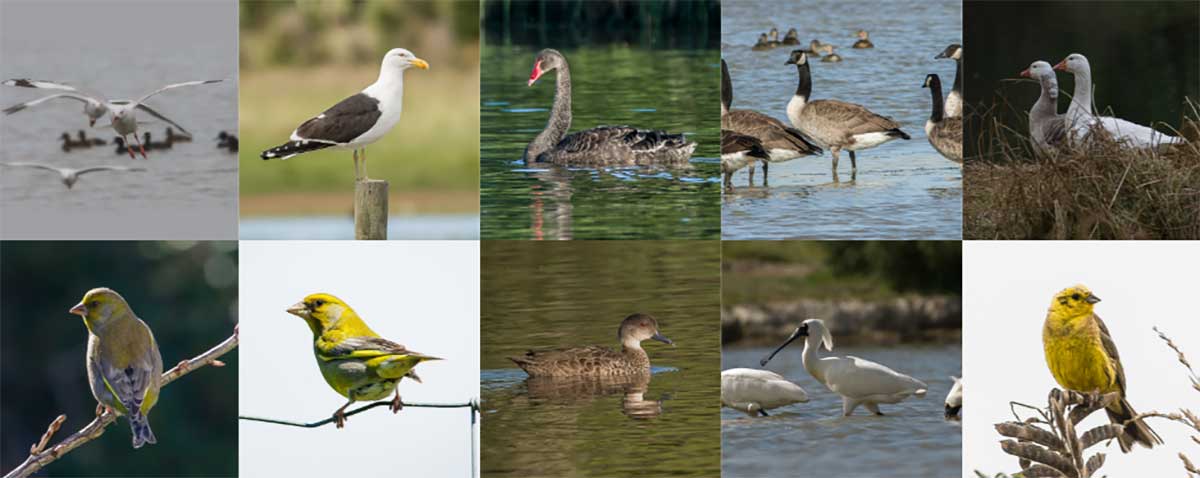
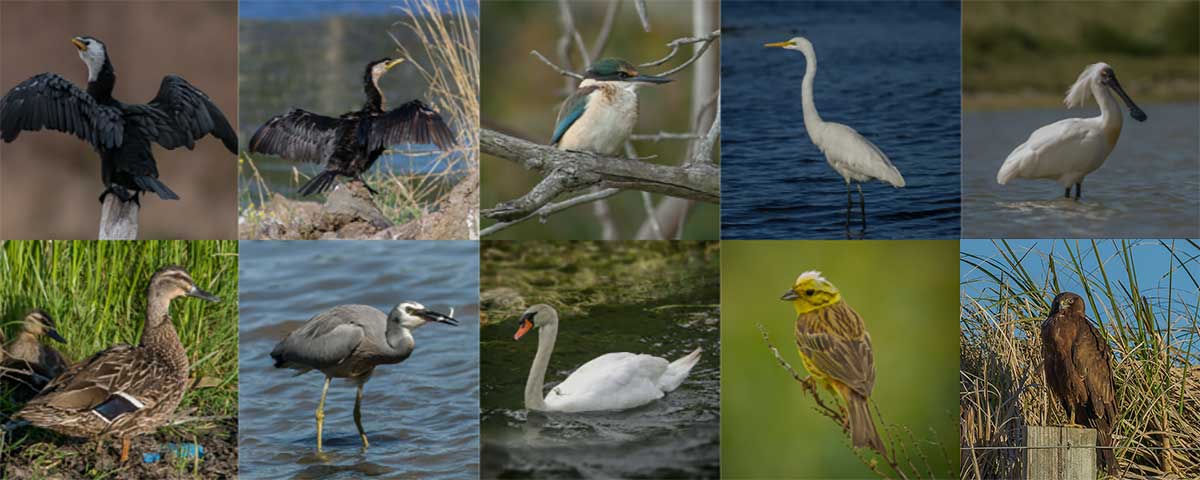
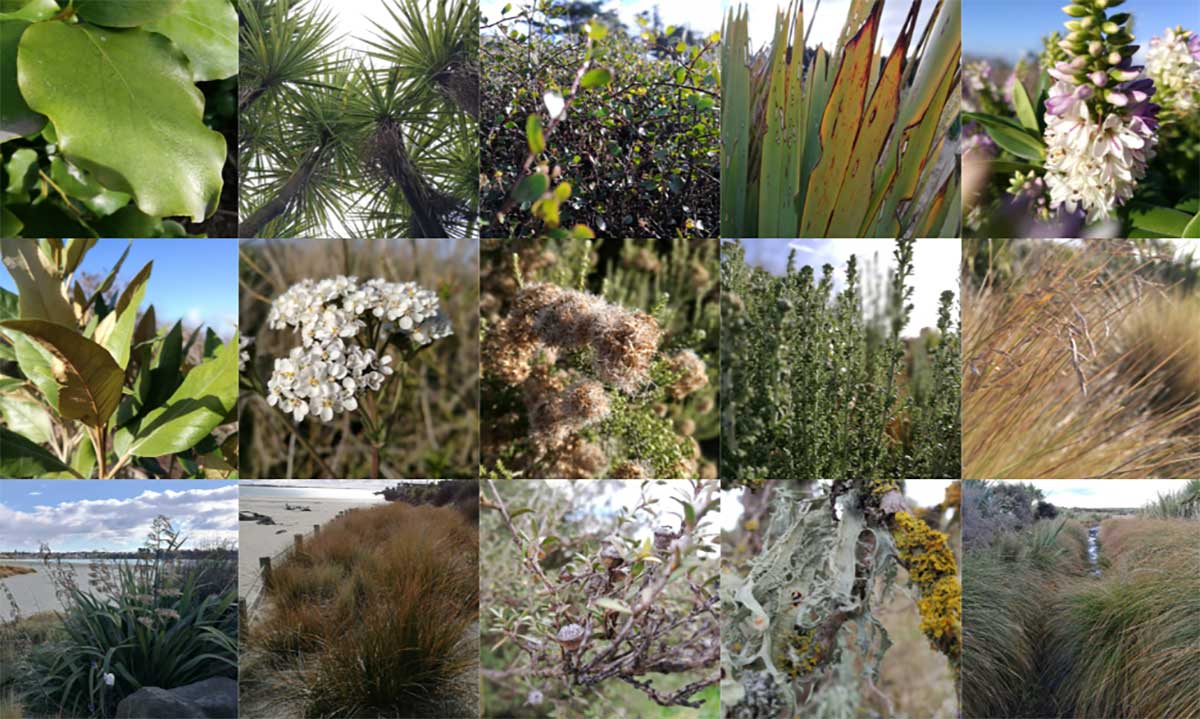
Timeline with full source links
Pre-human period, huia present in the North Island, absent from the South Island
Pre-human huia bone remains indicate huia were common throughout the North Island but absent from the South Island. This supports the careful blog wording that huia were not a South Canterbury bird.
Source: New Zealand Birds Online, “Huia”
https://www.nzbirdsonline.org.nz/species/huia
Source: Te Papa, “Huia (Heteralocha acutirostris)”
https://collections.tepapa.govt.nz/topic/1339
Before European settlement, huia feathers are taonga and worn by rangatira
Huia feathers were deeply valued by Māori and worn by people of high rank. This supports the blog’s section about mana, tikanga and taonga.
Source: New Zealand Geographic, “Huia, the sacred bird”
https://www.nzgeo.com/stories/huia-the-sacred-bird/
Source: Te Papa, “Kōtore huia (Huia bird tail feather/s)”
https://collections.tepapa.govt.nz/object/514680
Nineteenth century, European collecting and habitat pressures increase
The huia became a target for collectors and fashion merchants. Native forest was also logged or burned, and introduced mammals added pressure.
Source: Te Papa, “Huia (Heteralocha acutirostris)”
https://collections.tepapa.govt.nz/topic/1339
Source: New Zealand Birds Online, “Huia”
https://www.nzbirdsonline.org.nz/species/huia
1863, large scale hunting recorded
New Zealand Birds Online records Walter Buller’s account that 11 Māori hunters took 646 huia skins from forest between Manawatū Gorge and Ākitio in one month in 1863. This is a useful example of the scale of nineteenth century taking, but not essential to include in the main blog.
Source: New Zealand Birds Online, “Huia”
https://www.nzbirdsonline.org.nz/species/huia
1877 to 1889, Andreas Reischek takes 212 pairs
Austrian naturalist Andreas Reischek took 212 pairs of huia between 1877 and 1889. This supports the claim about scientific collecting pressure.
Source: New Zealand Birds Online, “Huia”
https://www.nzbirdsonline.org.nz/species/huia
1888, Keulemans’ huia artwork is published
J. G. Keulemans’ Huia (male and female), Heteralocha acutirostris was published as Plate II in W. L. Buller’s A History of the Birds of New Zealand.
Source: National Library of New Zealand, “Huia (male and female). Heteralocha acutirostris. [Plate II. 1888]”
https://natlib.govt.nz/records/22437196
Source: Te Papa, “Huia (male and female) Heteralocha acutirostris. Plate 2”
https://collections.tepapa.govt.nz/object/1602938
Source: DigitalNZ, “Huia (male and female). Heteralocha acutirostris”
https://digitalnz.org/records/22437196
Protection measures were enacted in the 1890s, but New Zealand Birds Online notes they were poorly enforced. Te Papa also records that attempts to collect birds for offshore island protection failed.
Source: New Zealand Birds Online, “Huia”
https://www.nzbirdsonline.org.nz/species/huia
Source: Te Papa, “Huia (Heteralocha acutirostris)”
https://collections.tepapa.govt.nz/topic/1339
23 February 1892, huia is added to protected bird legislation
Huia was added to a list of protected birds after Lord Onslow lobbied for protection. This supports the blog’s point that protection came, but too late and too weakly.
Source: Te Ara, “Protecting the huia”
https://teara.govt.nz/en/document/13909/protecting-the-huia
During the Duke of York’s 1901 visit, a high-ranking Māori woman placed a huia feather from her own hair into his hatband at Whakarewarewa. After the Duke was photographed wearing it, huia feathers became fashionable in Britain. I recommend keeping the wording as “a high-ranking Māori woman” unless you have a separate source for the name Te Mata Kaihoe.
Source: New Zealand Geographic, “Huia, the sacred bird”
https://www.nzgeo.com/stories/huia-the-sacred-bird/
Source: Science Learning Hub, “Duke and Duchess of York with huia feathers”
https://www.sciencelearn.org.nz/images/5297-duke-and-duchess-of-york-with-huia-feathers
Source: New Zealand Birds Online, “Huia”
https://www.nzbirdsonline.org.nz/species/huia
1907, last confirmed or accepted sighting
Te Papa gives 1907 as the last confirmed sighting of a huia in the wild, although unconfirmed sightings were reported for twenty to thirty years afterwards. New Zealand Birds Online also gives 1907 as the last accepted sighting.
Source: Te Papa, “Huia (Heteralocha acutirostris)”
https://collections.tepapa.govt.nz/topic/1339
Source: New Zealand Birds Online, “Huia”
https://www.nzbirdsonline.org.nz/species/huia
Source: Birds New Zealand, “The 1907 ‘last generally accepted record’ of huia”
https://www.birdsnz.org.nz/wp-content/uploads/2021/12/Galbreath_2017.pdf
Environment Canterbury says approximately 90 percent of wetlands by area have been lost in Aotearoa New Zealand in the last 150 years due to human impact.
Source: Environment Canterbury, “Our wetlands”
https://www.ecan.govt.nz/your-region/your-environment/biodiversity-and-biosecurity/biodiversity/wetlands
Environment Canterbury says the Ōrāri Temuka Ōpihi Pareora water zone has hill-fed braided rivers and coastal areas with strong groundwater and surface water links, and that many wetlands have been drained but pockets of unique natural value have survived.
Source: Environment Canterbury, “Ōrāri Temuka Ōpihi Pareora water zone”
https://www.ecan.govt.nz/your-region/your-environment/water/whats-happening-in-my-water-zone/orari-temuka-opihi-pareora-water-zone
A Department of Conservation field guide says Canterbury contains 60 percent of New Zealand’s braided river habitat, and that physically similar extensive braided rivers are rare worldwide.
Source: Department of Conservation, “Braided River Field Guide”
https://www.doc.govt.nz/Documents/conservation/land-and-freshwater/Freshwater/PRR/braided-river-field-guide.pdf
Te Ara notes that Timaru’s artificial harbour changed currents and helped create the sandy beach at Caroline Bay. It also says Washdyke Lagoon is much smaller than it once was because the coastline changed after Timaru’s port was built.
Source: Te Ara, “Timaru,” South Canterbury places
https://teara.govt.nz/en/south-canterbury-places/page-6
Source: NZ History, “Caroline Bay”
https://nzhistory.govt.nz/keyword/caroline-bay
Environment Canterbury identifies Peel Forest, Washdyke Lagoon, long-tailed bats, Canterbury mudfish, kātipo at the Ōrāri river mouth and the Canterbury knobbled weevil as important local biodiversity examples in the Ōrāri Temuka Ōpihi Pareora zone.
Source: Environment Canterbury, “Ōrāri Temuka Ōpihi Pareora zone biodiversity”
https://www.ecan.govt.nz/your-region/your-environment/biodiversity-and-biosecurity/biodiversity/nature-in-your-area/orari-opihi-pareora-zone-biodiversity
Source: Department of Conservation, “New Zealand long-tailed bat”
https://www.doc.govt.nz/nature/native-animals/bats-pekapeka/long-tailed-bat/
Modern Waitarakao, restoration work is underway
Our Waitarakao is a partnership project between Te Rūnanga o Arowhenua, DOC, Timaru District Council and Environment Canterbury, working with the community to restore the health of the lagoon and wider catchment.
Source: Environment Canterbury, “Our Waitarakao”
https://www.ecan.govt.nz/your-region/your-environment/water/whats-happening-in-my-water-zone/orari-temuka-opihi-pareora-water-zone/our-waitarakao
Modern Rangitata hāpua, restoration plan links ecology, mahinga kai and kaitiakitanga
The Rangitata hāpua restoration plan identifies DOC, Te Rūnanga o Arowhenua, Fish and Game, Ashburton District Council, Timaru District Council and Environment Canterbury as agencies involved in restoration work. Its goals include increasing mauri and ecological integrity, supporting indigenous plants and animals important as mahinga kai resources, and respecting Te Rūnanga o Arowhenua’s kaitiaki role.
Source: Department of Conservation, “Mahinga kai and ecological restoration plan for Rangitata hāpua”
https://www.doc.govt.nz/globalassets/documents/our-work/nga-awa-river-restoration/restoration-plan-rangitata-hapua.pdf
Source: Environment Canterbury, “Kōrero nā te awa Rakitata, Stories from the Rangitata River”
https://www.ecan.govt.nz/your-region/your-environment/biodiversity-and-biosecurity/biodiversity/braided-rivers/braided-river-revival/korero-na-te-awa-rakitata-stories-from-the-rangitata-river
Huia. (Taonga)
Call of the Huia: https://www.youtube.com/watch?v=JsfuJgw-PvM
Please watch this video from Te Papa on Huia: https://www.youtube.com/watch?v=l3ldOYF7dLs