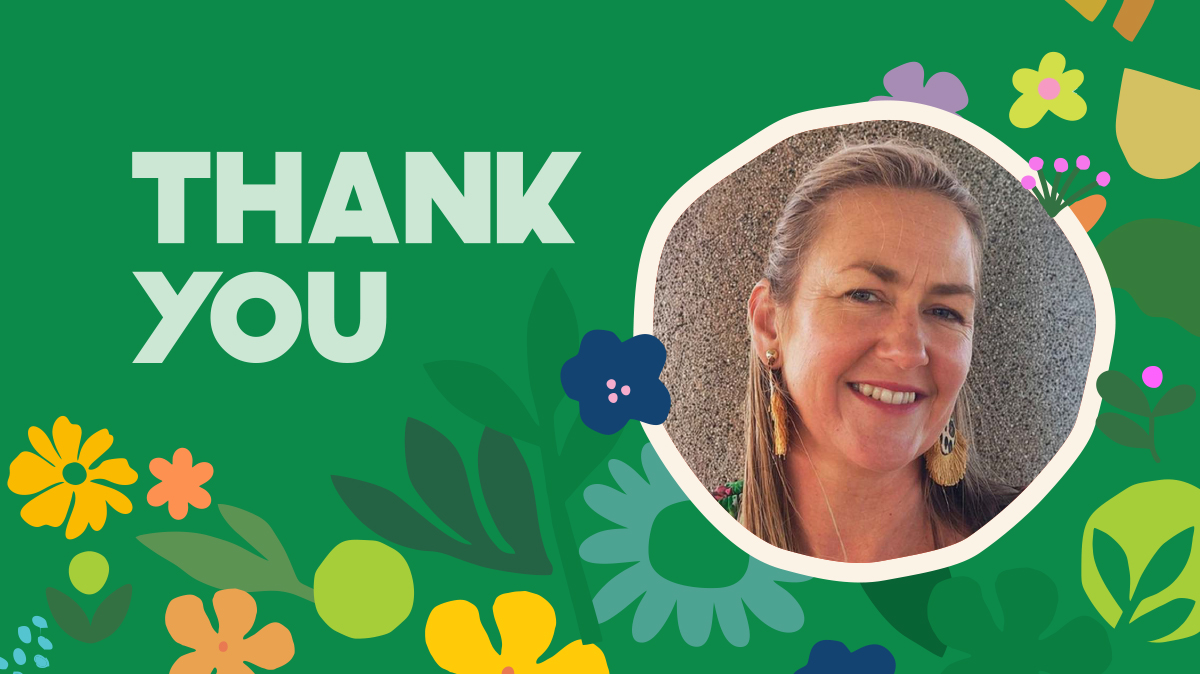
By Roselyn Fauth

When I spoke at the New Zealand Gardens Trust conference in April 2026, I began by saying that I was not there as a gardening expert... I was there as a lifelong user of gardens.
That mattered to me, because when I saw the conference theme, Honouring the Past, Gifting to the Future, I thought that is exactly what gardens do. They carry one generation’s vision into the next. They hold history, beauty, labour, and care, yes, but they also hold something less measurable and just as important. They hold memory...


For me, that memory begins with my nana.
I still remember sitting by the duck pond at the Timaru Botanic Gardens with hokey pokey ice creams. We had a family competition. Whoever took the longest to finish was the winner.
Nana won every time. I can still hear her chuckle... I remember wandering through the gardens, spying birds in the aviary, and playing on a very high metal slide that felt enormous at the time.
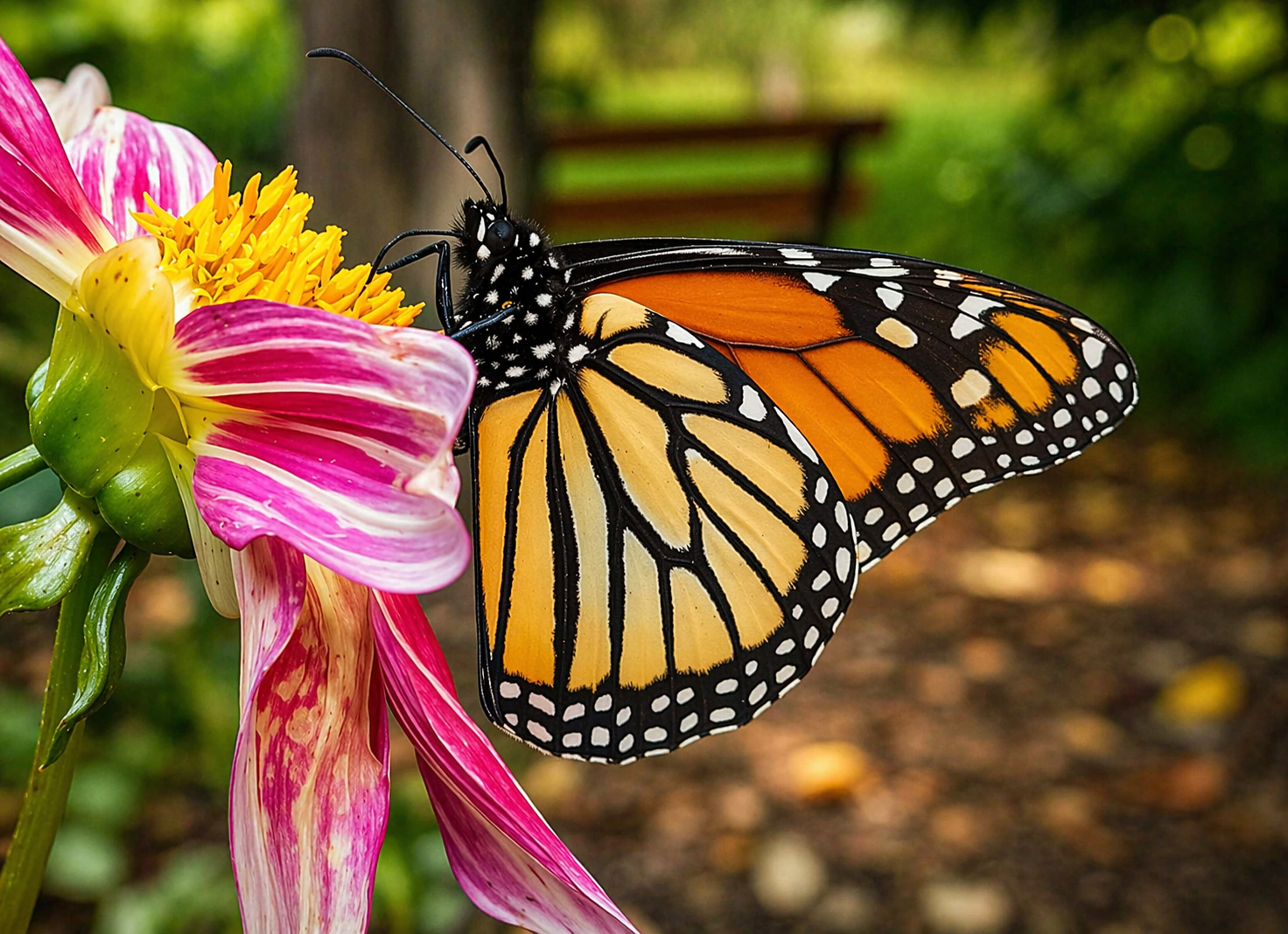
Those gardens were not just pretty to me. I have amazing memories of being there at the huge Timaru Botanic Gardens, at my parents back yard, in my grandparents garden. Nana loved dahlia's, when ever I see them, I think of nana. Timaru Botanic Gardens has a stunning collection of these blooms in their Dahlia border.
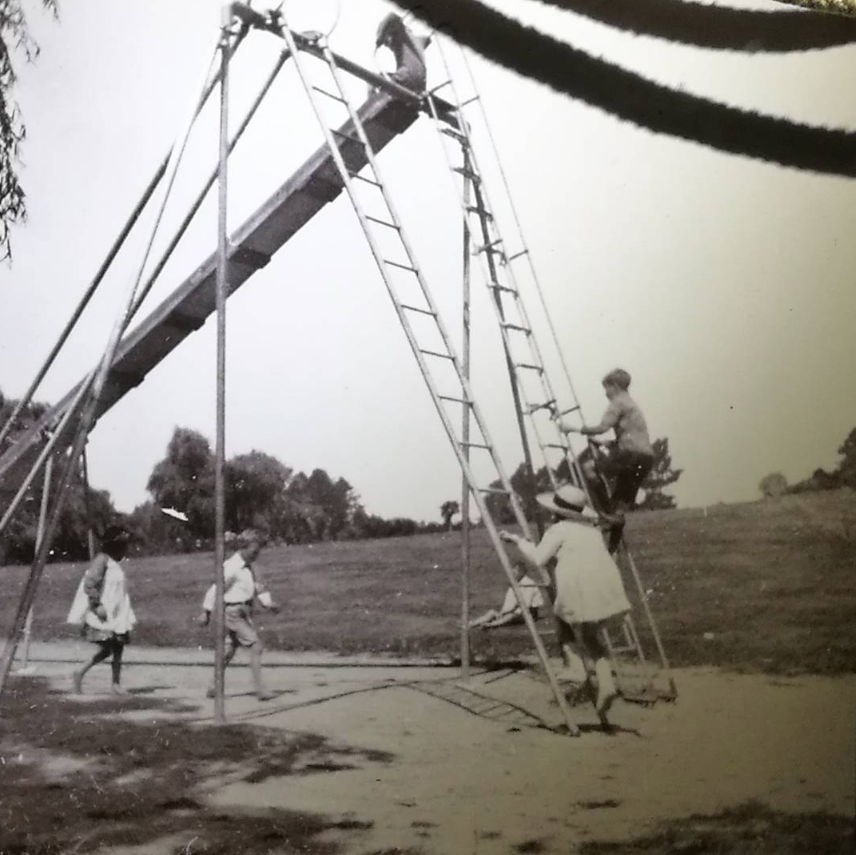
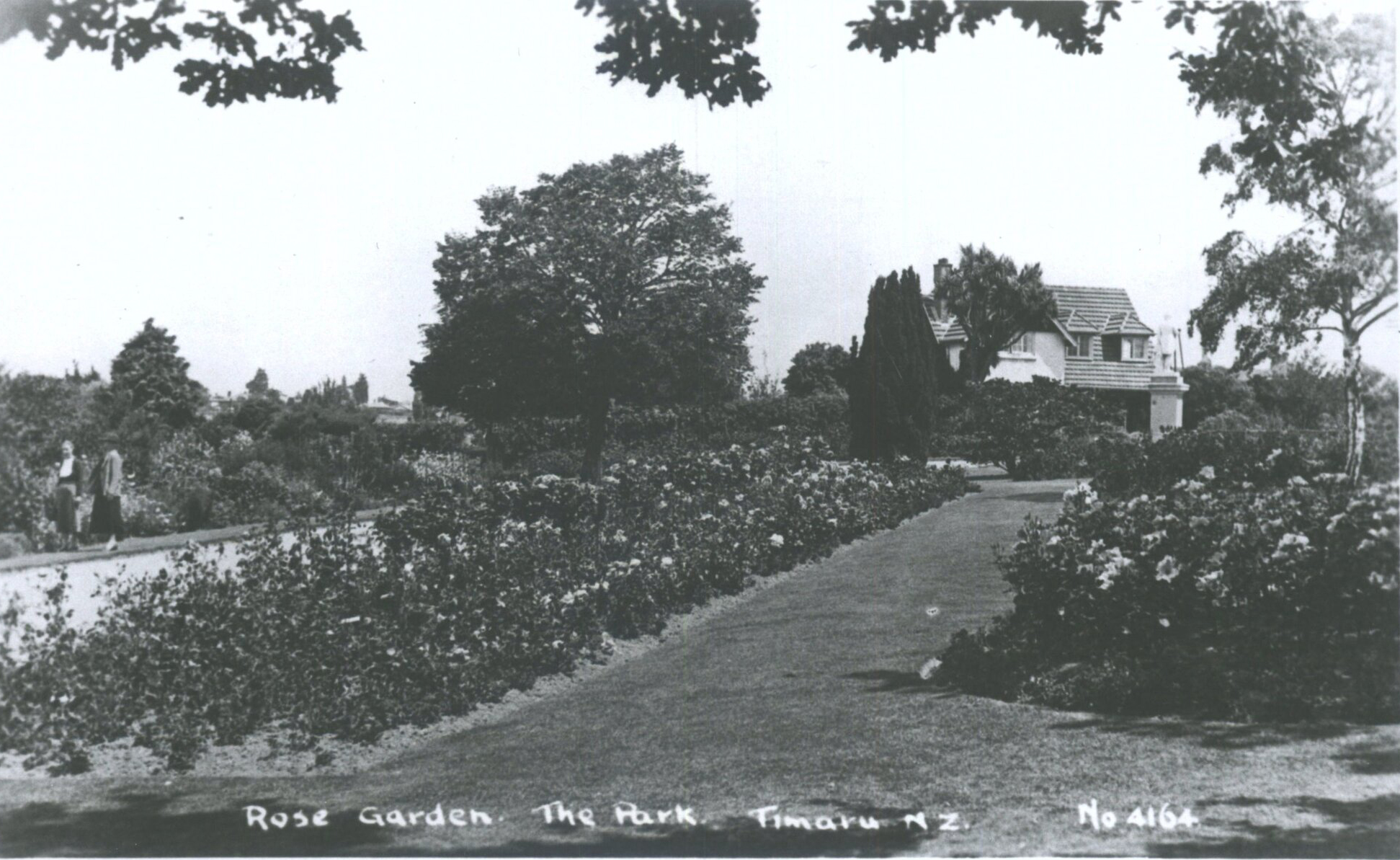
Fun Fact: The Ti Kouka by the caretakers cottage is said to predate the gardens establishment. Rose Garden, The Park, Timaru, N.Z.. Hocken Digital Collections, https://hocken.recollect.co.nz/nodes/view/24154
Gardens were where I felt safe, had adventures, and felt like I belonged.
Well, mostly... There was that one time, I replanted my grandad’s tomatoes in the glasshouse, I genuinely thought I was being helpful... oops. As you can imagine that didn't go down well, and is a strong memory for rather different reasons!
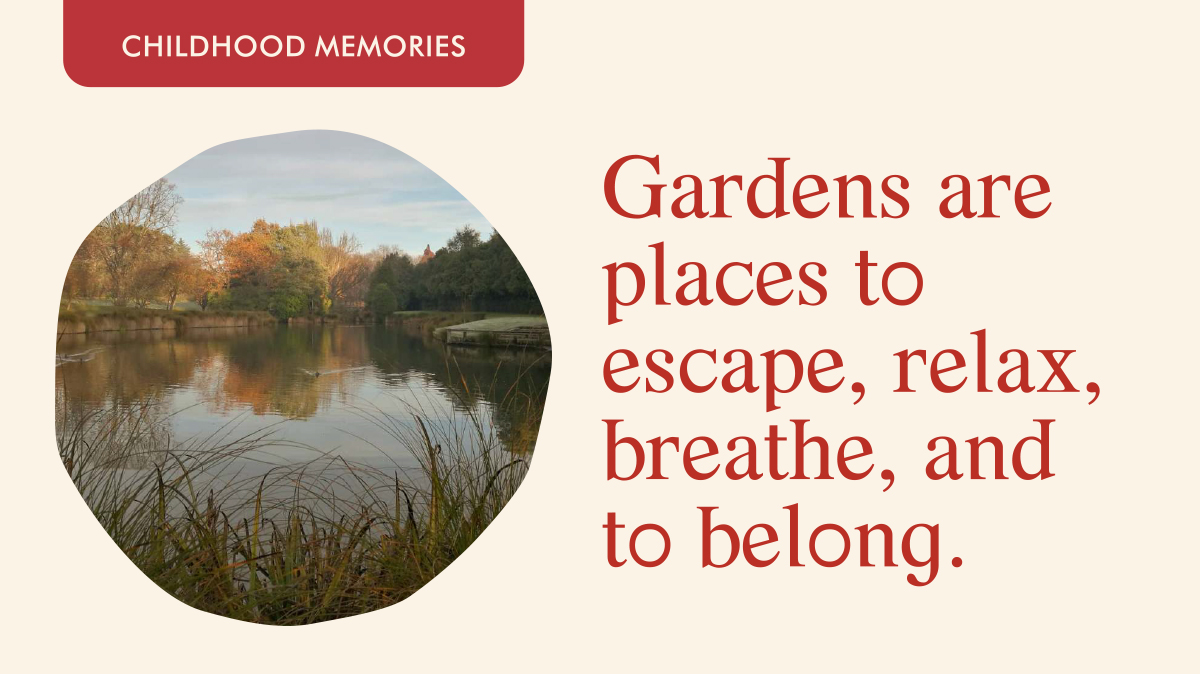
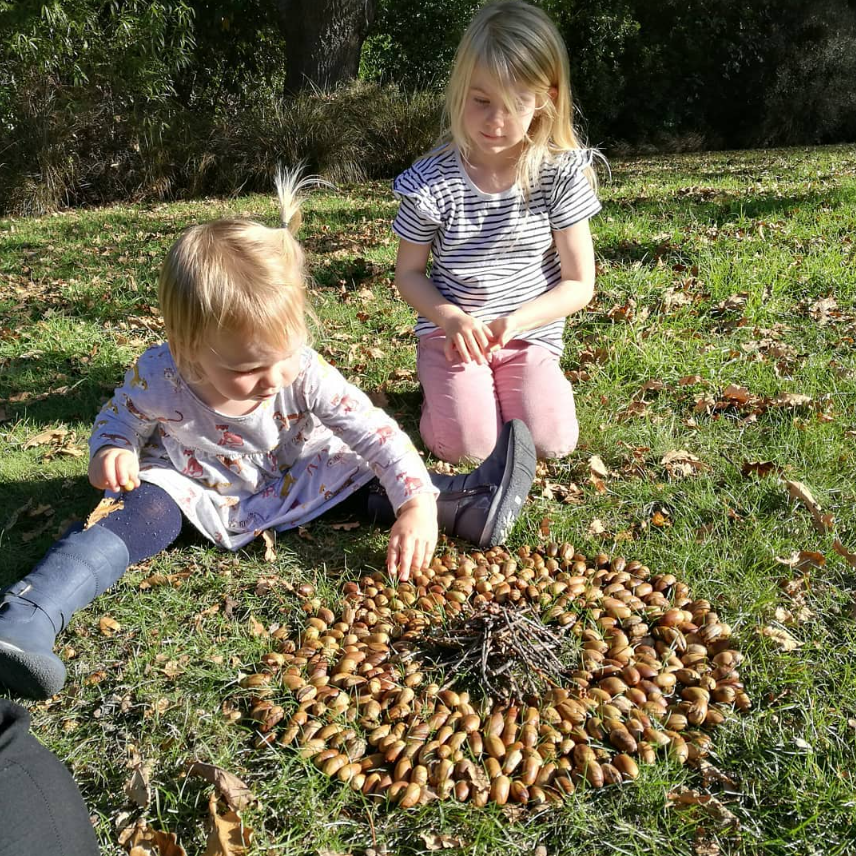
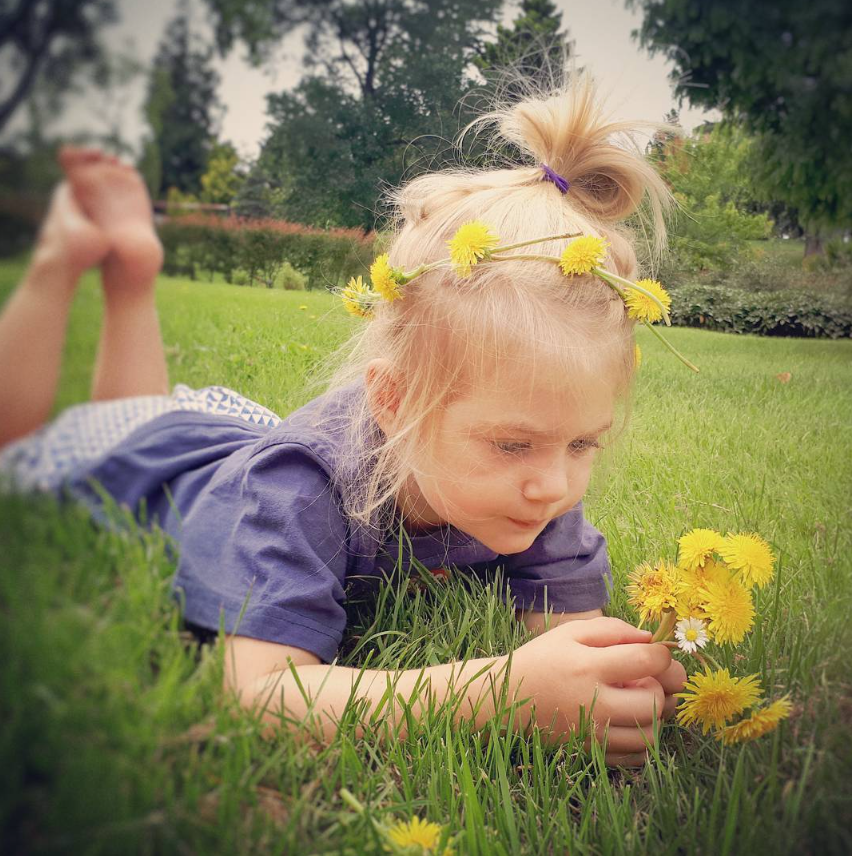
Years later, in my thirties, I found myself back at the Timaru Botanic Gardens with my own children. We have two girls, Medinella, and Annabelle.
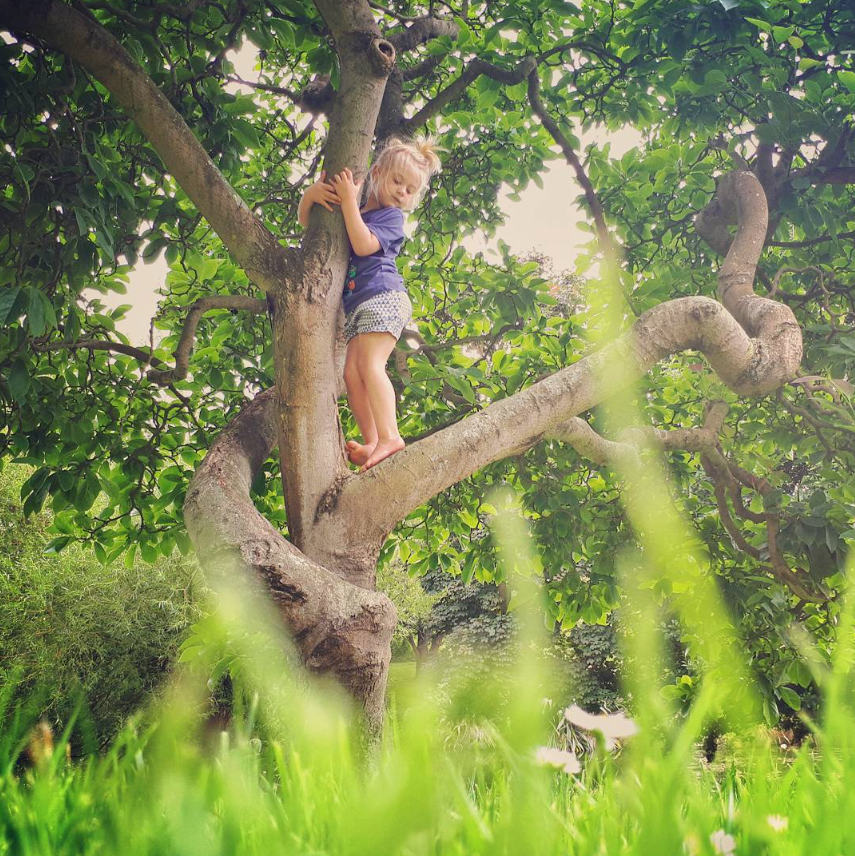
Now in the garden as a mother... I was reliving old memories while making new ones. Watching them run,, climb, explore, and play.

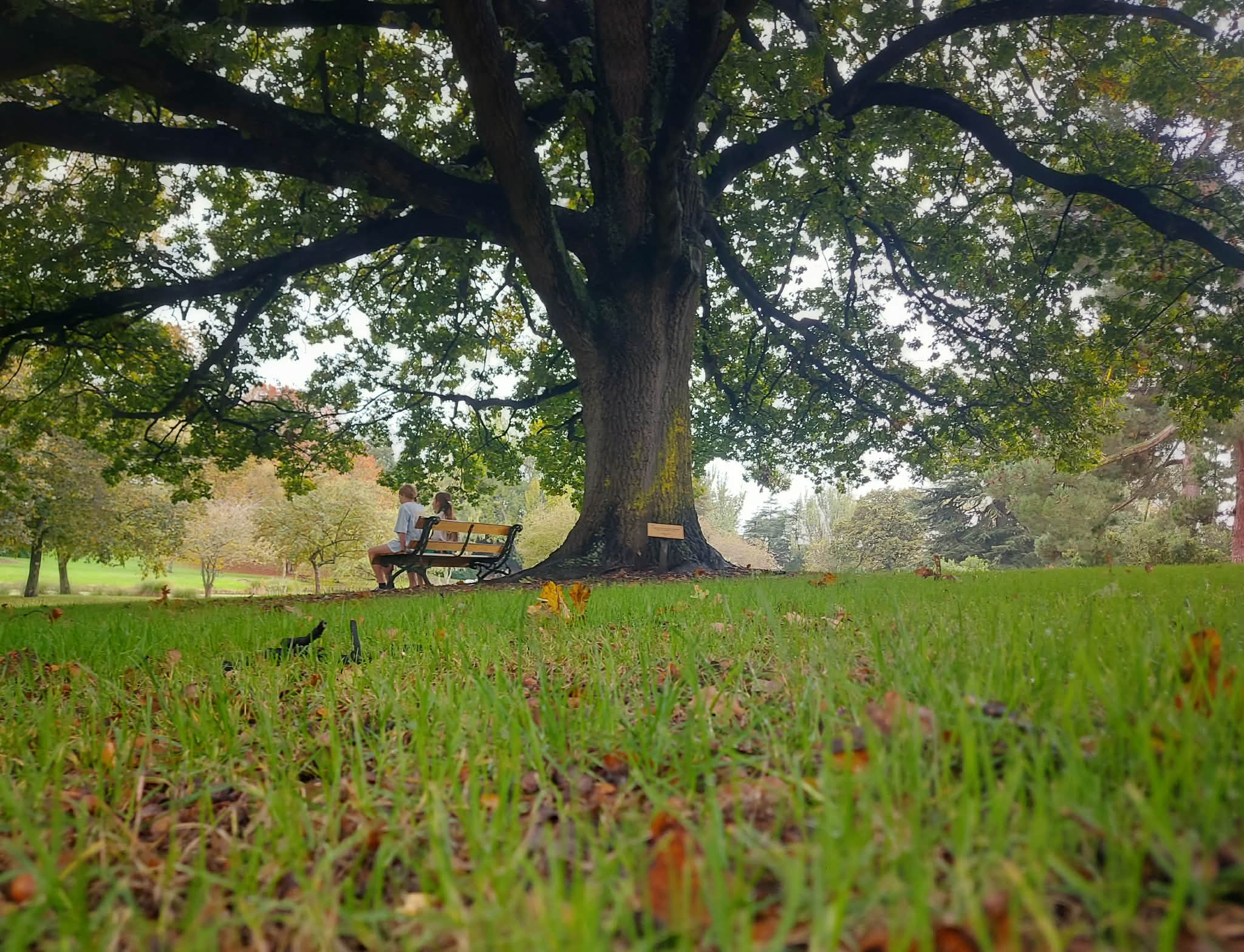
As we explored, I looked up at these mammoth trees and wondered if the people who first planted these gardens ever imagined what they were really creating.
Established in 1864, the Timaru Botanic Gardens are among the oldest in New Zealand. They belong to a wider movement in the 1800s that saw parks and gardens as something much more than decorative additions to a town. From the mid-1800s onwards, public parks were increasingly valued as breathing spaces for urban communities, places where people could find fresh air, beauty, and relief from the pressures of daily life.
Timaru fits into that bigger story, but in its own way. Our gardens are not just a copy of ideas brought from Britain. They sit beside our hospital, offering patients, carers, and loved ones a place for respite, reflection, and recovery. There is a lot to be said for fresh air, sunshine, trees, and the quiet comfort of a garden.
Spending time in nature is good for our mental and physical health. We know too that children thrive when they can play and explore outdoors. Gardens give us space to slow down, notice things, and reconnect with the natural world.
That is one of the reasons I love our Botanic Gardens so much. I love seeing plants from all over the world. I love learning what they are, why they matter, and how they connect to bigger conversations around conservation, protection, and plant knowledge. Gardens are not just for people either. They provide homes for birds, insects, and other wildlife, and they help sustain the quiet work of pollination and seed dispersal that keeps life going.
We are incredibly lucky in Timaru. We can walk into a public garden that is more than 160 years old, freely and whenever we like. That is something very special.
In 2014, the Timaru Botanic Gardens were recognised by the New Zealand Gardens Trust as a Garden of National Significance. That recognition reflected the qualities that make a great garden truly stand out: presentation, design, year-round plant interest, and a distinctive character of its own. It is pretty special to know that our gardens are one of the few public gardens in the country recognised at that level.
Did those early planters in 1864 know they were creating a place where future generations would walk, rest, recover, wonder, and make memories of their own?
That question sits at the heart of what I shared in my speech, and it sits at the heart of this blog too... Gardens matter not only because of what is planted there, but because of what people feel there, and what they remember there.
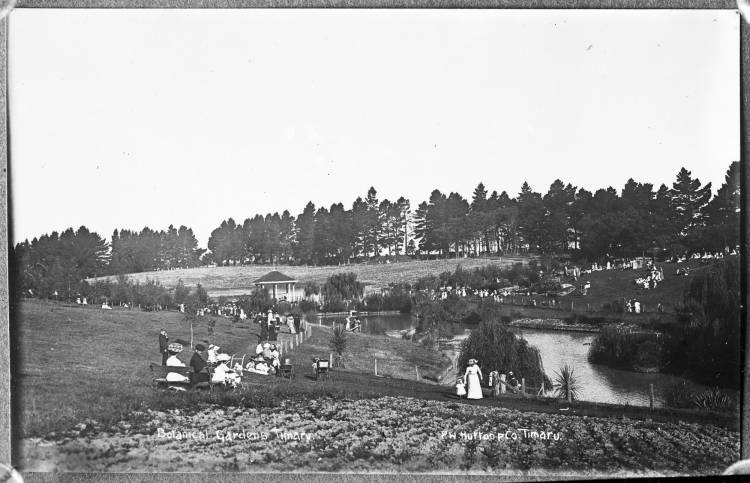
1910-1919 Botanical Gardens, Timaru. Looking across the lake, towards the band rotunda. Showing crowd gathered for band in the rotunda.
P W Hutton & Co. Auckland Libraries Heritage Collections 35-R1500

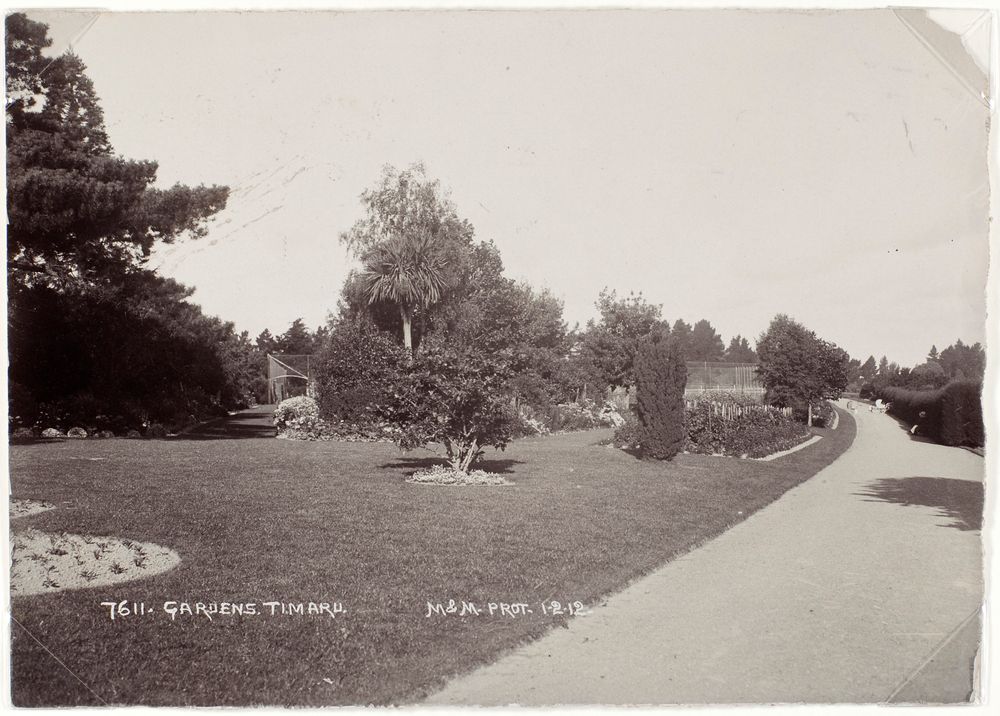
Gardens, Timaru, 1912, Timaru, by Muir & Moodie. Te Papa (O.001833)
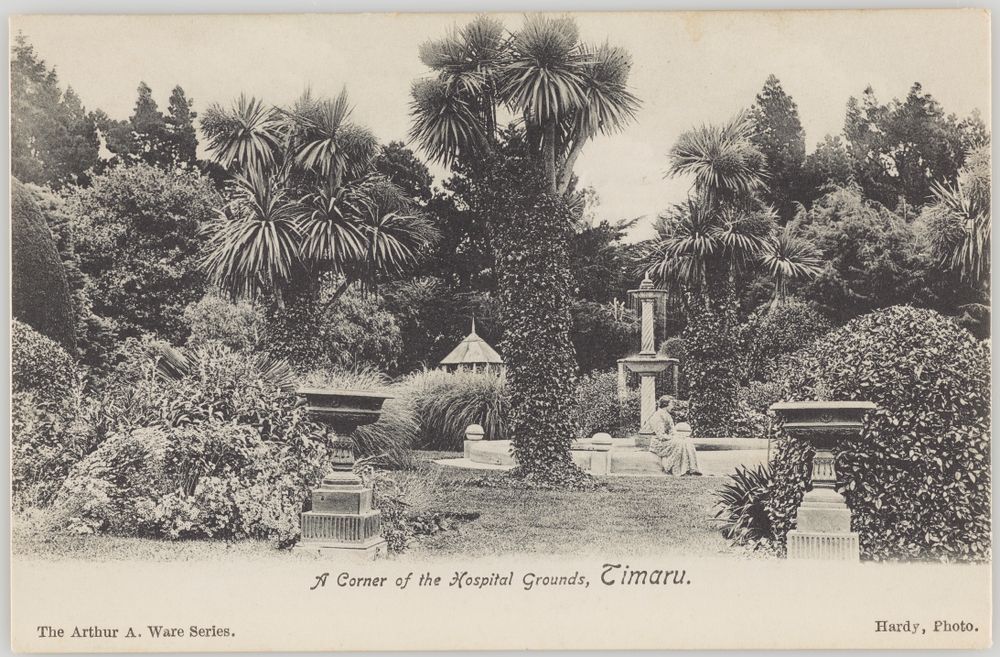
A Corner of the Hospital Grounds, Timaru, 1900-1910, Timaru, by Alfred Hardy. Gift of Patricia M. Mitchell, 1989. Te Papa (PS.000598)

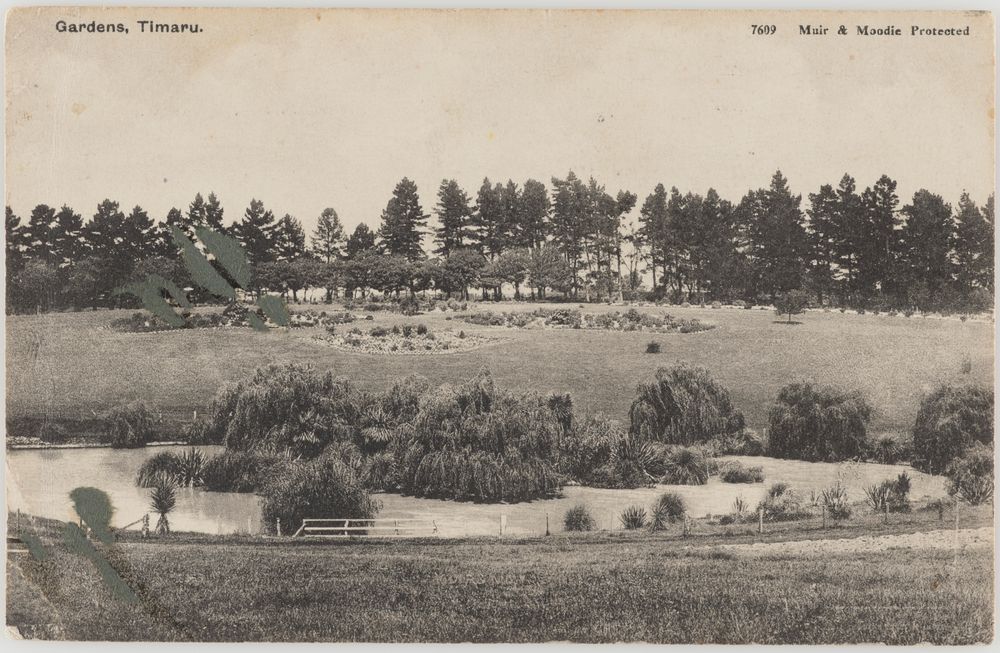
Gardens, Timaru, 1912, Timaru, by Muir & Moodie. Te Papa (O.001833)
When my husband Chris and I started our family, we had to learn how to play again.
We were looking for free, meaningful things to do with our children, but at the time there was very little that pulled those ideas together. Our local information center was mostly focused on sharing the paid adventures, rather than the free fun us domestic tourists were hunting for.
So while we were finding places to explore, we started sharing that hunt with others. That became WuHoo Timaru.
What began as a family search for free fun gradually grew into a website, social media pages, printed handouts, fact sheets, and activities designed to help other families discover what was already around them.
That has shaped almost everything I do.
All voluntary, paying it forward.
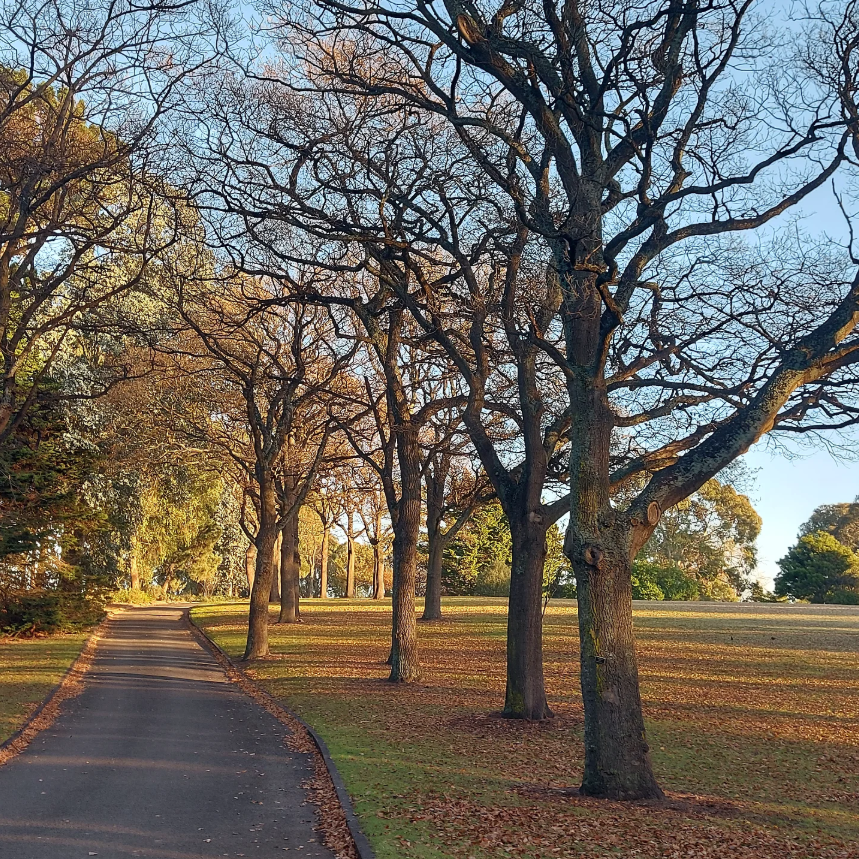
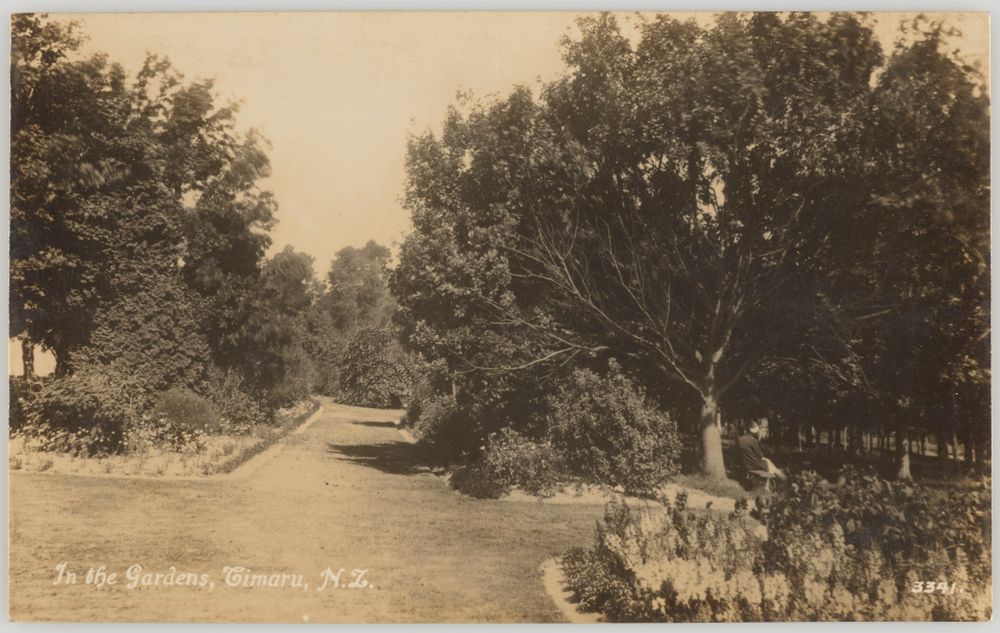
In the Gardens, Timaru, New Zealand, 1900-1910, Timaru, maker unknown. Gift of Patricia M. Mitchell, 1989. Te Papa (PS.000739)

We have had some adventures. I like to think this has given our children a solid footing for their future. To be curious, appreciative, and have a good sense of who they are in the world around them.
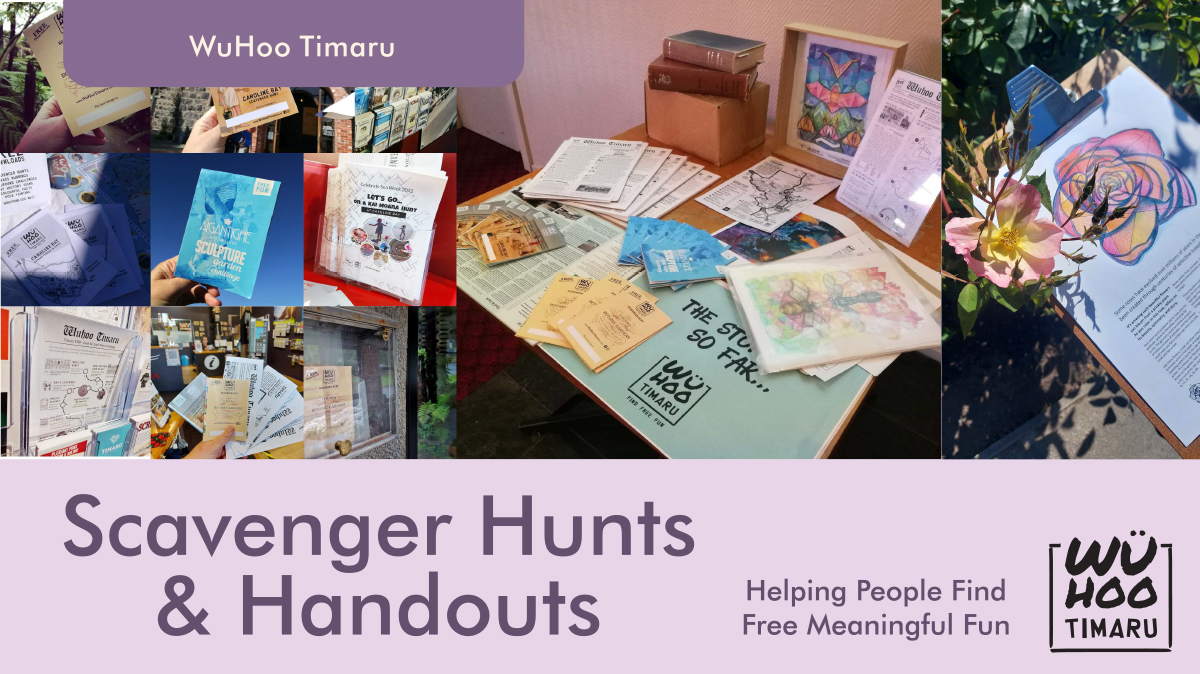
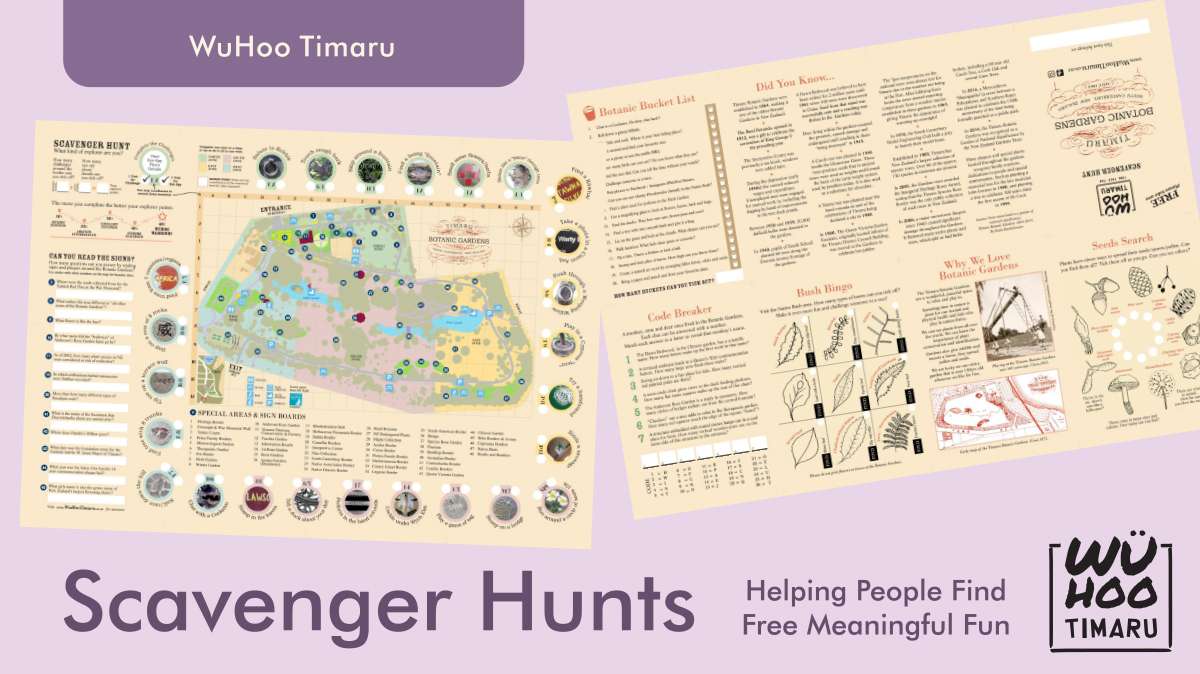
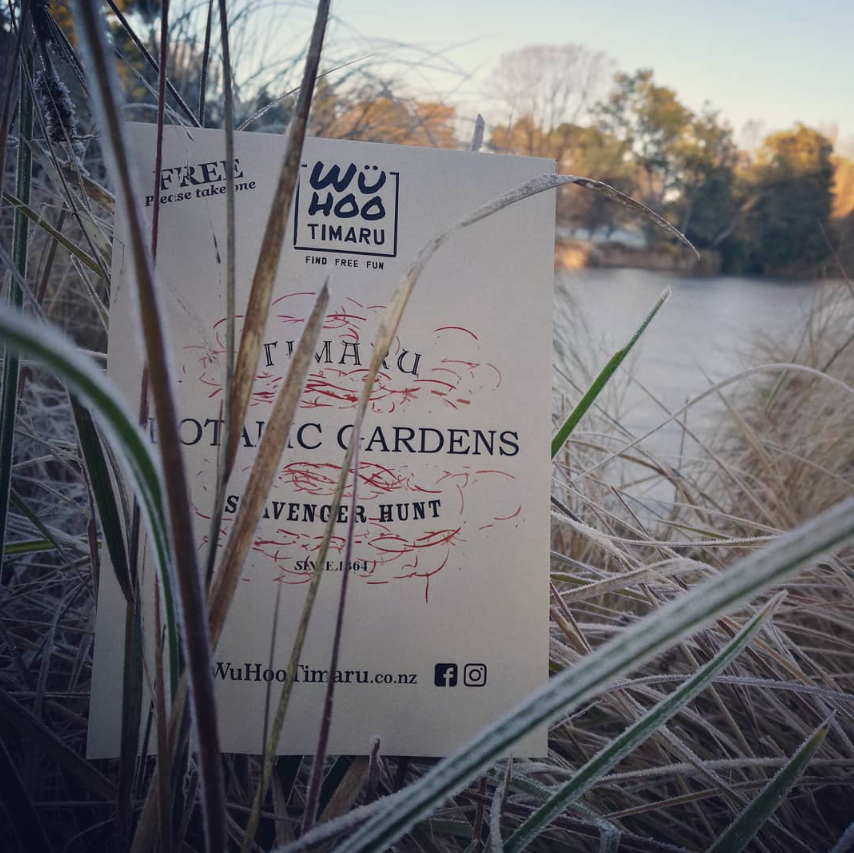
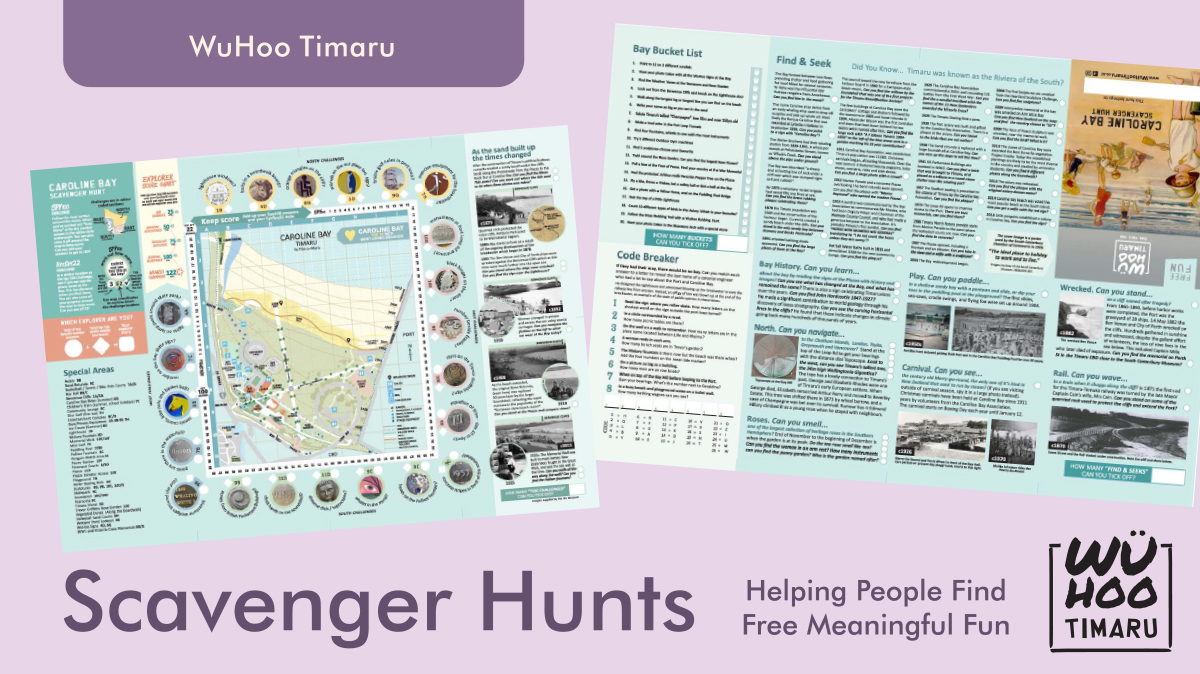
As WuHoo Timaru grew, we started creating scavenger hunts and handouts that helped people do more than simply pass through a place.
We wanted to help families to pause. To notice patterns in a landscape. To learn something about a tree or a flower or a local story. To have fun together while also building connection.
We shared tree tours, rose trails, pollinator activities, and plant focused ideas that helped people feel part of a place rather than just visitors moving through it.
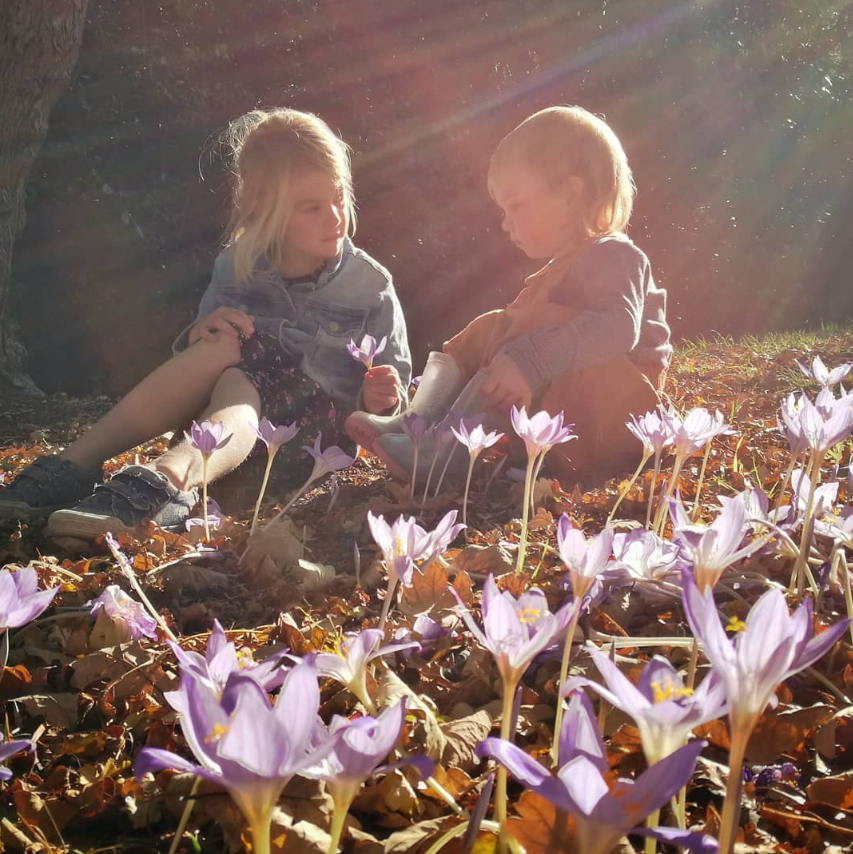
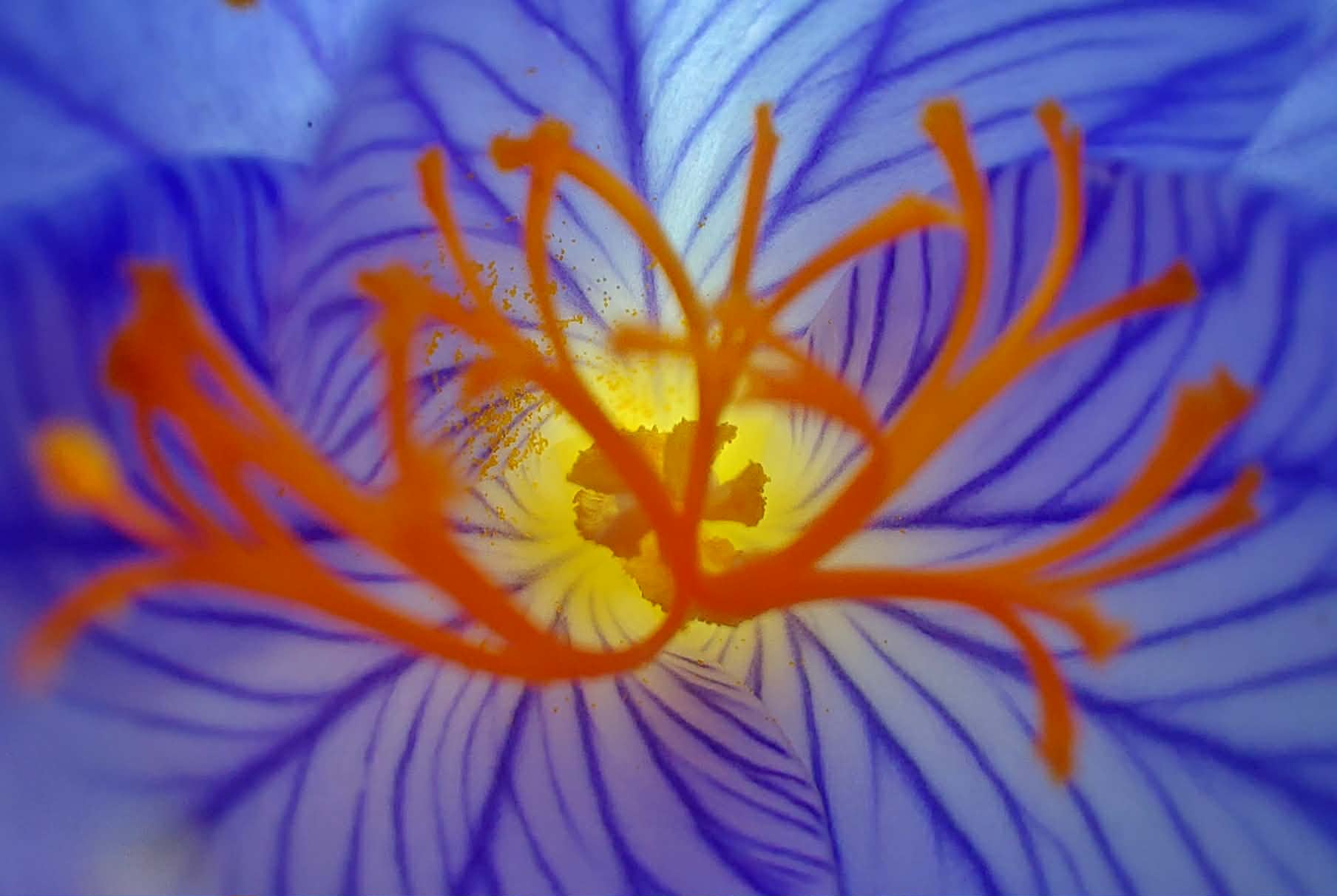
Because once people notice, they care.
Once they care, they value.
And once they value, they are much more likely to feel greatful, support, protect, and return.

That matters in Timaru, of course. But this is not just about Timaru.
It is a pattern any garden, anywhere, can learn from.
The New Zealand Gardens Trust speaks about heritage, visitor engagement, tourism, and the future of significant gardens.
Its own assessment framework recognises not only design, horticultural practice, and presentation, but also visitor engagement.
The conference programme itself brought together voices from botanic gardens, tourism, and digital storytelling, all centred on how people connect with landscapes and how gardens can evolve into the future.
That is why I believe this conversation matters so much. Helping people connect is not an optional extra. It is part of what helps a garden fully live in the world.
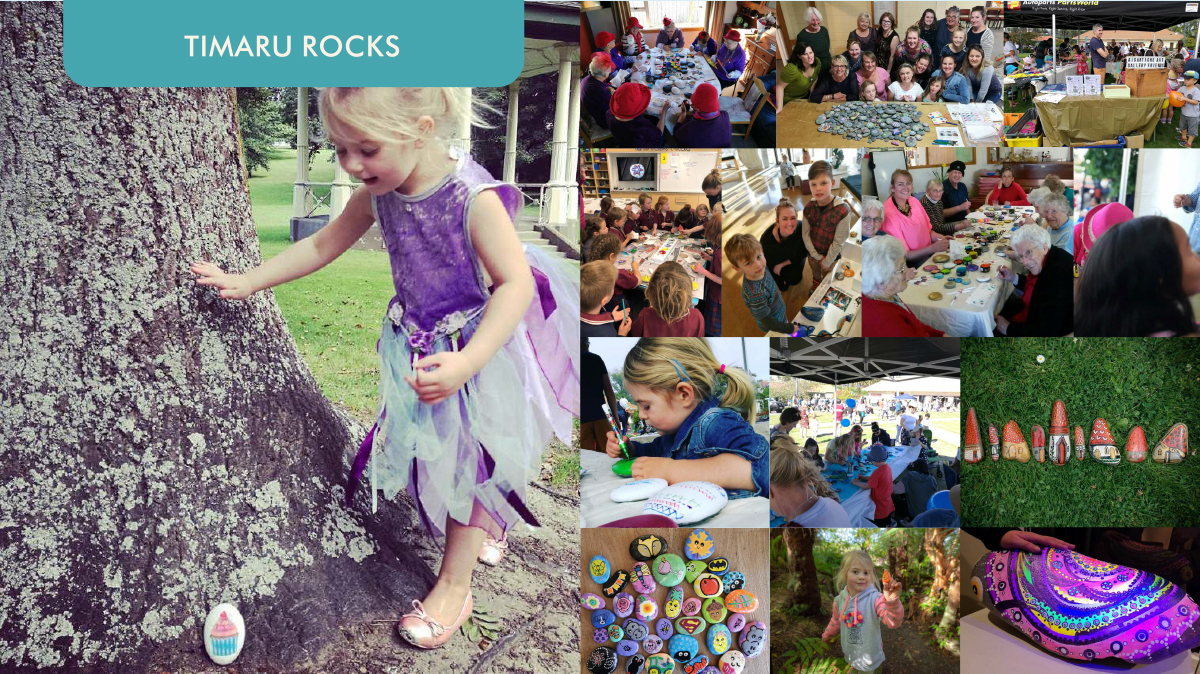
One of the clearest examples of that for me was Timaru Rocks.
The idea was wonderfully simple. People painted rocks and hid them in parks and gardens for others to find. I started a Facebook group and by lunchtime 350 people had joined. I thought I might organise a modest painting picnic and meet a few people. Instead, it grew and grew. We gathered at the Aigantighe Art Gallery garden, in a place that itself carries a story, from family home to public gift. The first time, people came as strangers and left as friends. The next time, 700 people turned up. The whole event cost me twenty five dollars. By the end of the month the group had grown to 5,000 people.
What I loved most was not only that it was affordable. It was that it brought a huge new wave of people into public parks and gardens. Families explored. Children looked more closely. People laughed, searched, created, and shared. Public space was used with joy. It reminded me that you do not always need a massive budget, a polished campaign, or a complicated strategy to bring people in. Sometimes all you need is an invitation.
Another moment that has stayed with me happened in a rest home.
I had been invited to paint rocks with residents. I arrived ready to teach, and everyone simply looked back at me. Then a nurse said quietly, “You do realise they have dementia?” I remember thinking, right, what now? I had heard that music could help, so I started singing the instructions to the tune of old songs I remembered from childhood. Everything changed. The atmosphere lifted. People began creating. Later, their painted rocks were hidden in the rest home gardens so grandchildren and great grandchildren had something meaningful to do when they visited.
That experience taught me something I will never forget. Gardens are not just places of beauty. They are places of connection. Places of healing. Places of intergenerational memory. They create room for joy and dignity and togetherness in ways that are often quiet, but deeply powerful.
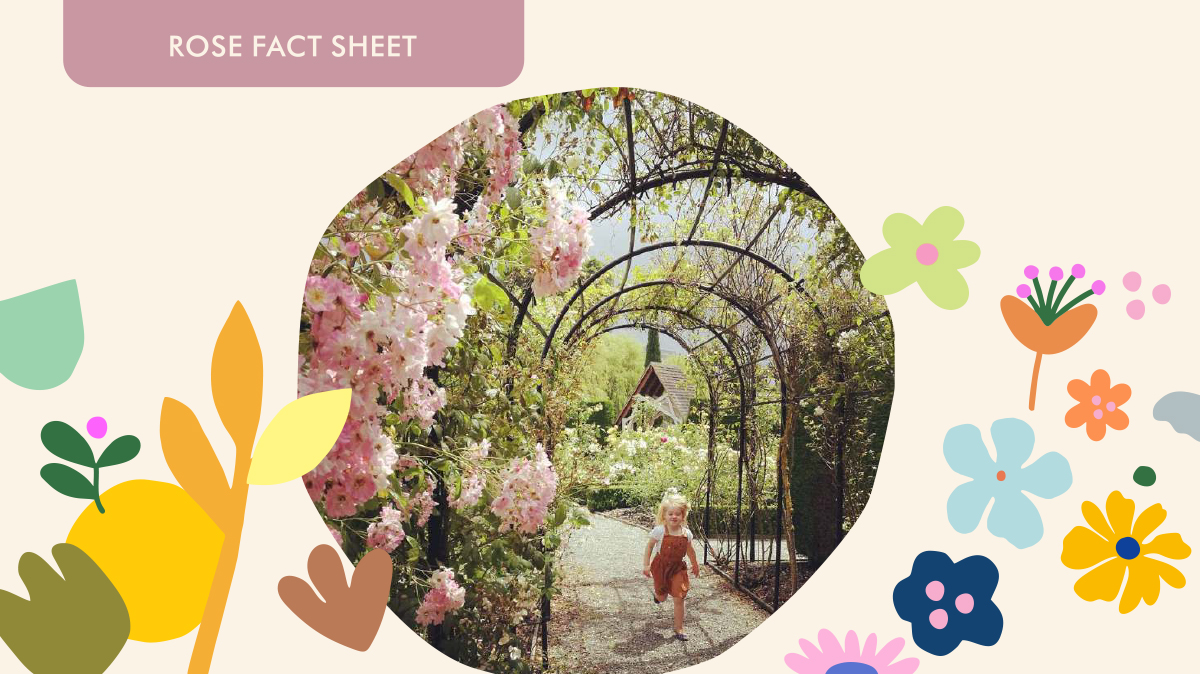
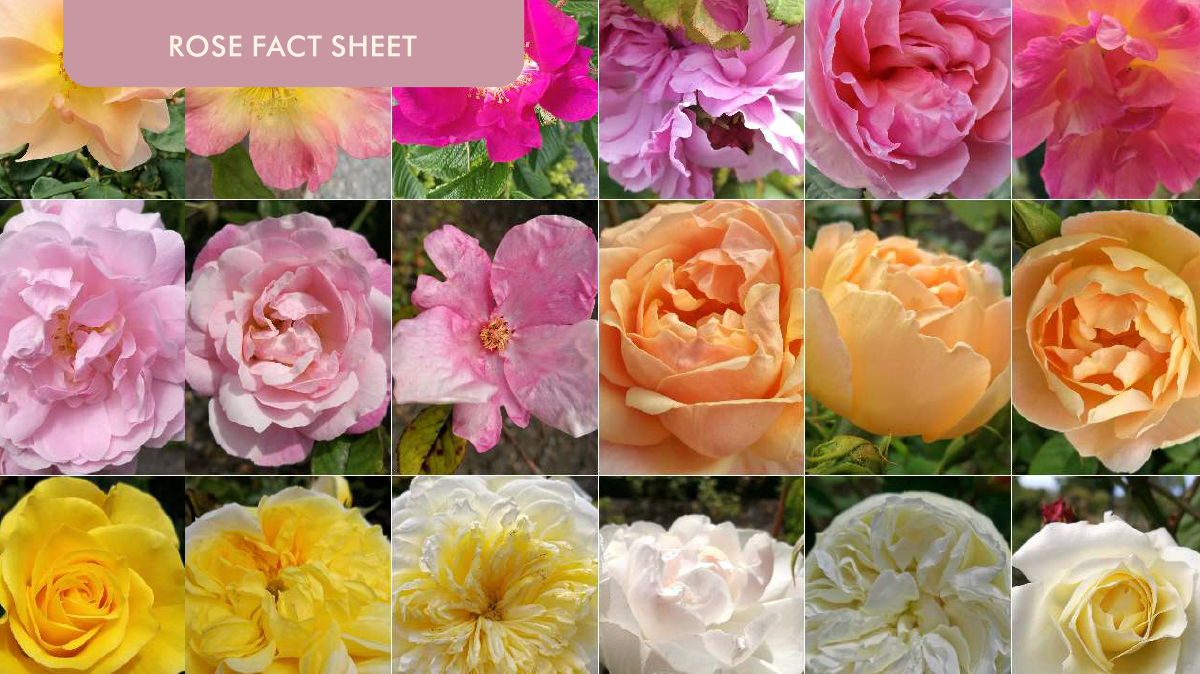
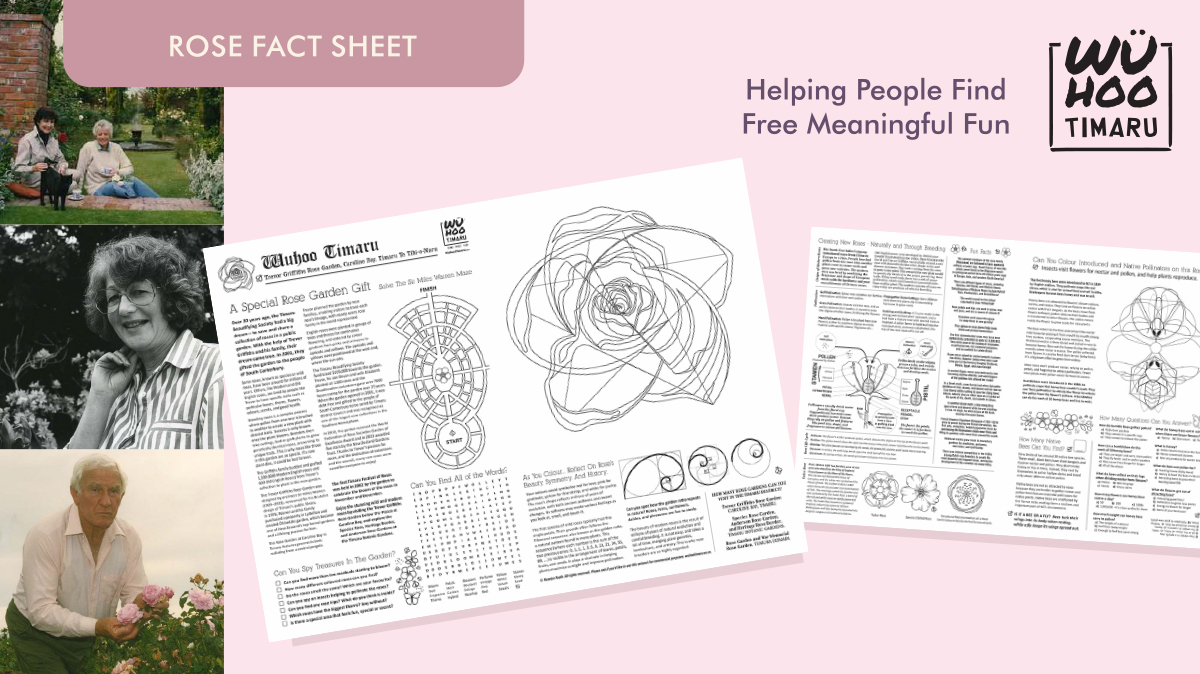
More recently, I worked with people connected to the Trevor Griffiths Rose Garden to create a guide for grandparents and grandchildren. It was practical and information rich, but it was also designed to help families engage. For the last two Rose Festivals we handed that guide to hundreds of people. It helped them appreciate not just the beauty of the garden, but the work, partnership, and long term care behind it, including the shared effort of community and council in bringing that garden to life.
That experience strengthened something I have come to believe very strongly.
A garden can be beautifully designed and carefully maintained, but if people are not helped to engage with it, they may never fully see it.
And that is why I keep coming back to this idea.
In many ways I think gardens can be grown twice.
First physically, through design, skill, labour, planning, pruning, patience, and care.
Then socially, through memory, story, invitation, use, and return visits.
By drawing inspiration from our local legends... and when we share their legacy, we can inspire our community and show what we can achieve when we help each other.
The second kind of building does not diminish the first. It honours it.
It helps people understand what they are looking at. It helps them see the labour, the love, and the legacy. It turns admiration into attachment. And that matters not just for local pride, but for stewardship, advocacy, and tourism too. The conference press release speaks about gardens drawing visitors into the regions and bringing economic benefit to local communities. I think that happens most powerfully when people are offered more than a beautiful view. It happens when they are offered an experience they can feel part of and remember.
I also believe local stories matter.
When we share the legacy of local people, we inspire our communities and show what can be achieved when people help one another. In the Trevor Griffiths Rose Garden, that is true of Frances Glasby and the volunteers who gave over 7000 hours supporting that legacy and helping the garden look its best. I do not know whether they expected to be remembered. Perhaps they were simply doing what needed doing. But that is precisely why their story deserves to be told. Gardens preserve more than plants. They preserve values. Generosity. Stewardship. Patience. Belonging. Hope.
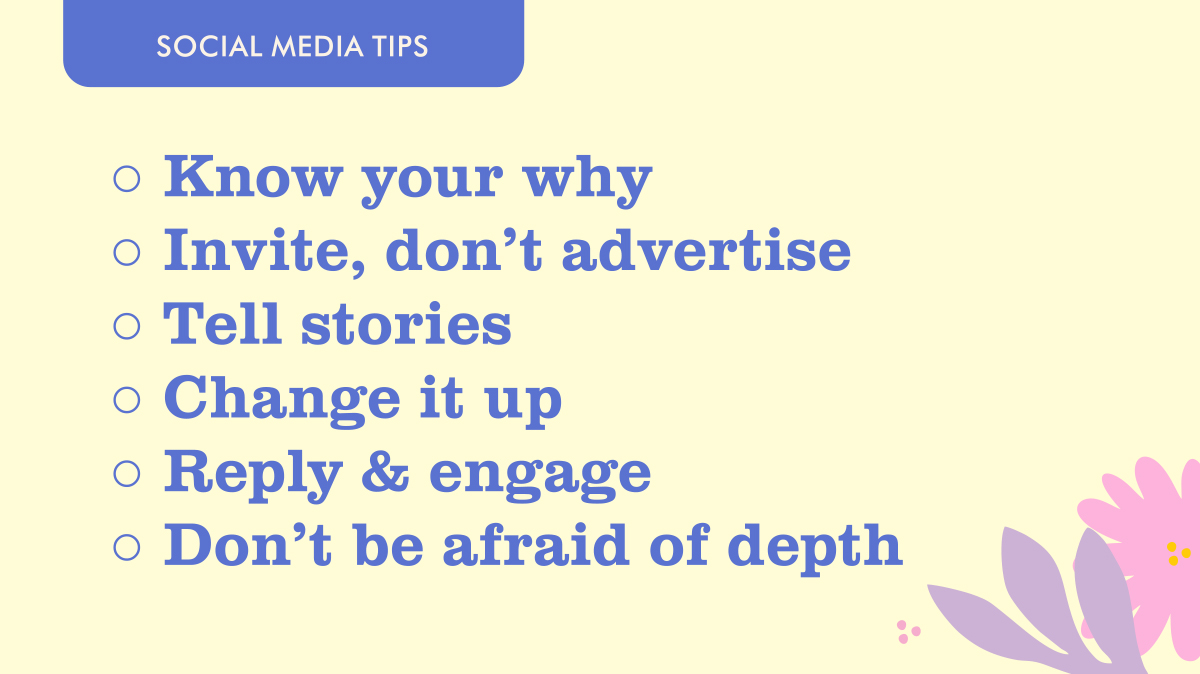
Over time, I have learned a few things about helping people connect with places like these.
Know your why. If you understand why a garden matters, you can help other people see why it should matter to them too.
Invite, do not just advertise. We are all marketed to constantly, and most of us have become very good at switching off. But people will still stop for a story.
Show what the place feels like, not just what it contains. The child with the ice cream. The volunteer dead heading roses. The bee on the bloom. The grandparent and grandchild exploring together. The person finding peace on a difficult day. That is what makes a place come alive.
Be genuine. People trust what feels real.
Reply and engage. Community is built through conversation, not simply by posting. When people share a memory, honour it. When they ask a question, answer it.
And do not be afraid of depth. I have found that when something truly matters, people will read. They will stay. They will respond. In January, my posts reached over half a million views, all organically, with no budget to boost them. Not because they were slick, but because they were meaningful.

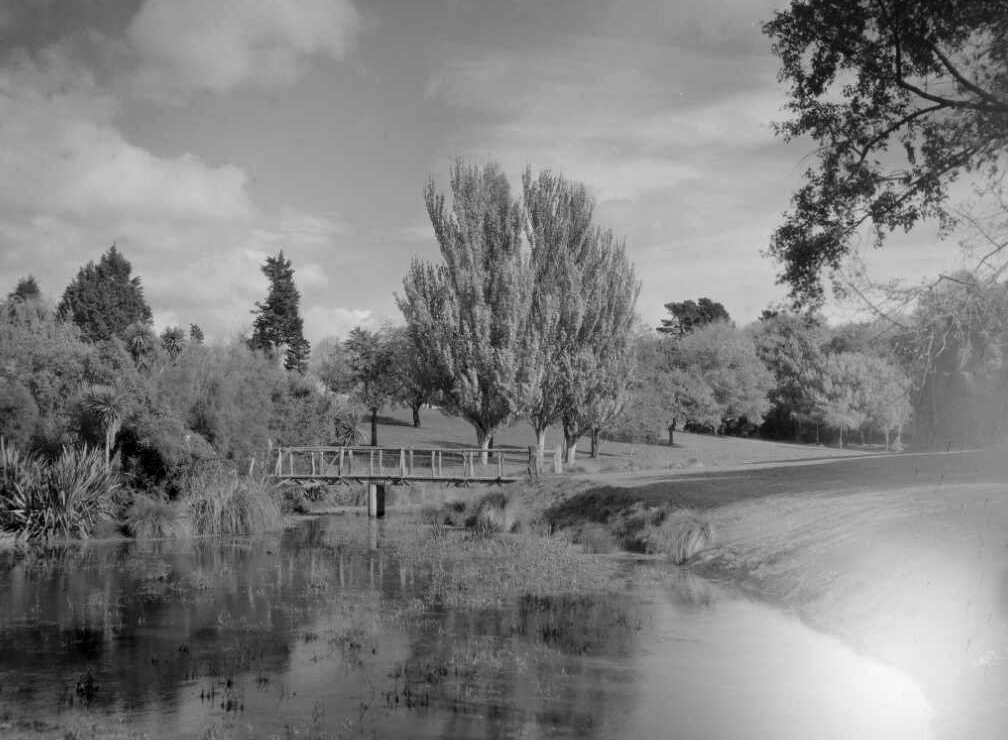
Timaru Botanic Gardens Lake, featuring a wooden bridge over the river. Whites Aviation Ltd: Photographs. Ref: WA-38402-F. Alexander Turnbull Library, Wellington, New Zealand. /records/23524542
If you want people to value gardens, do not just show them flowers... Show them what those flowers mean.
Show them the family picnic.
the team, the volunteers.
the tiny rewards for looking closely like bee's, ladybirds and butterflies, shapes of leaves, evidence of their seasonal cycle.
Show them people. The child, grandparent...
Show them the person enjoying the garden.
That is how connection grows. This is social.
That is how public support grows.
And I think this is how a beautiful garden can be a meaningful one.


Public Park, Timaru, N.Z.. Hocken Digital Collections, https://hocken.recollect.co.nz/nodes/view/24162
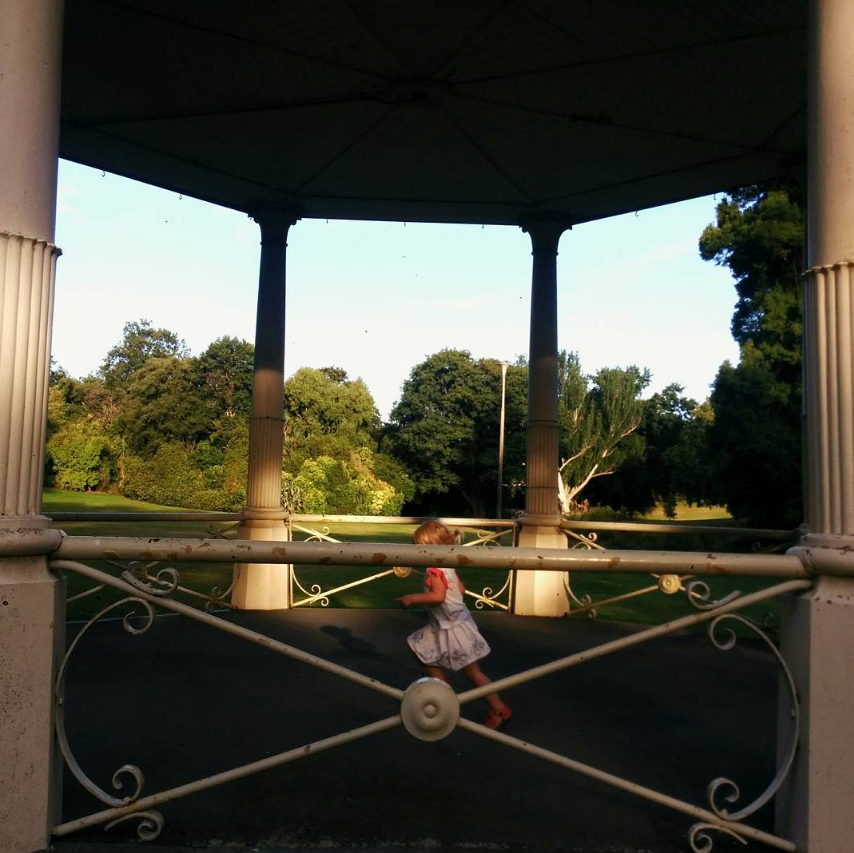

For me, gardens have never just been about plants. They are places of memory, learning, belonging, and connection.
They are where a nana and granddaughter can share hokey pokey ice creams.
They are where children can explore. They are where communities gather.
They are where stories are carried forward and recalled.
And all of that begins with the people who make these places possible.
The gardeners, planners, volunteers, advocates, and caretakers may see pruning, labour, weather, weeds, budgets, and logistics.
People like me feel welcome.
We see free fun.
We see memory making potential.
So thank you.
Thank you for all you do to honour the past and gift something beautiful to the future.
And thank you for creating places where people do not simply visit, but belong.
This is how we all can honour the past, and give to our future