

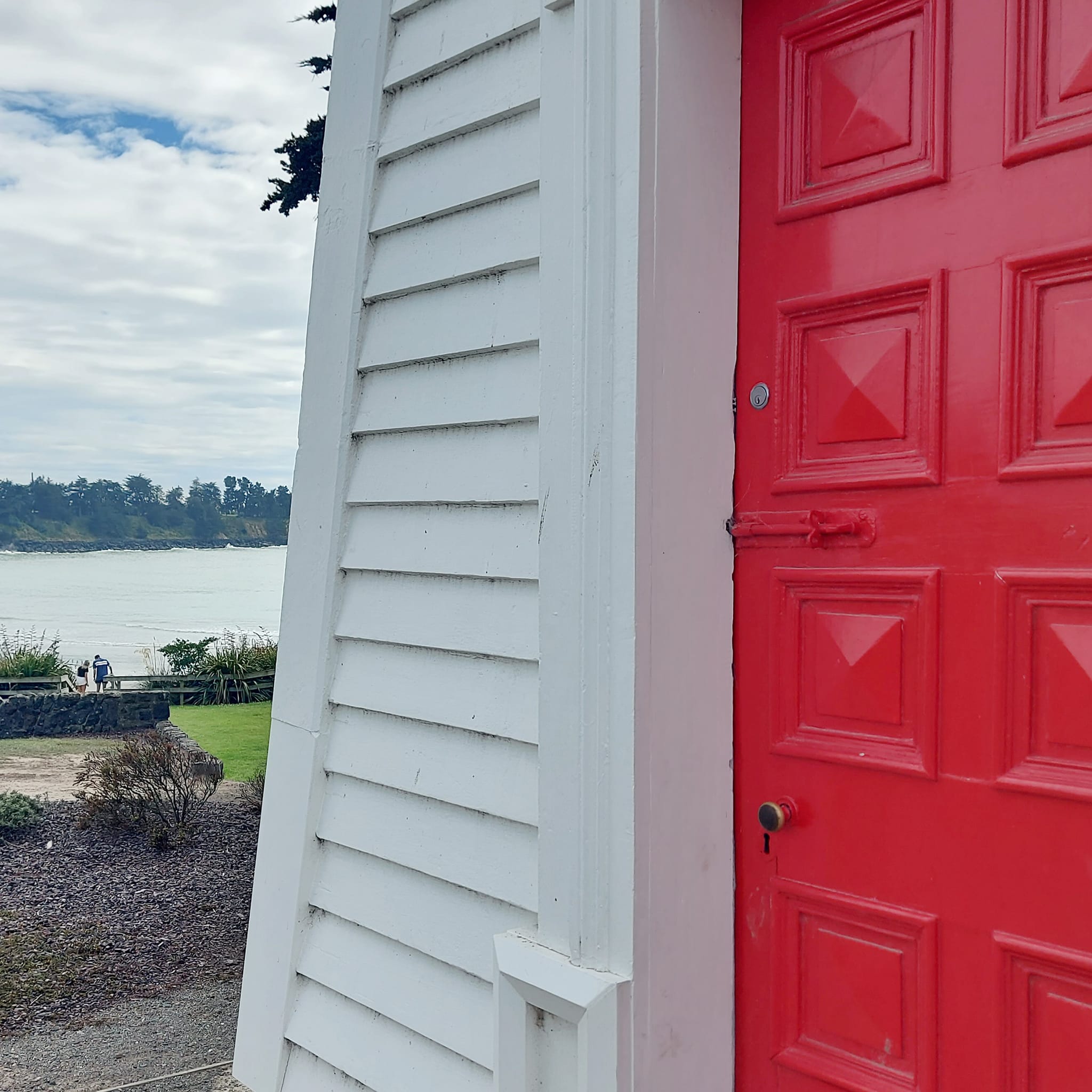
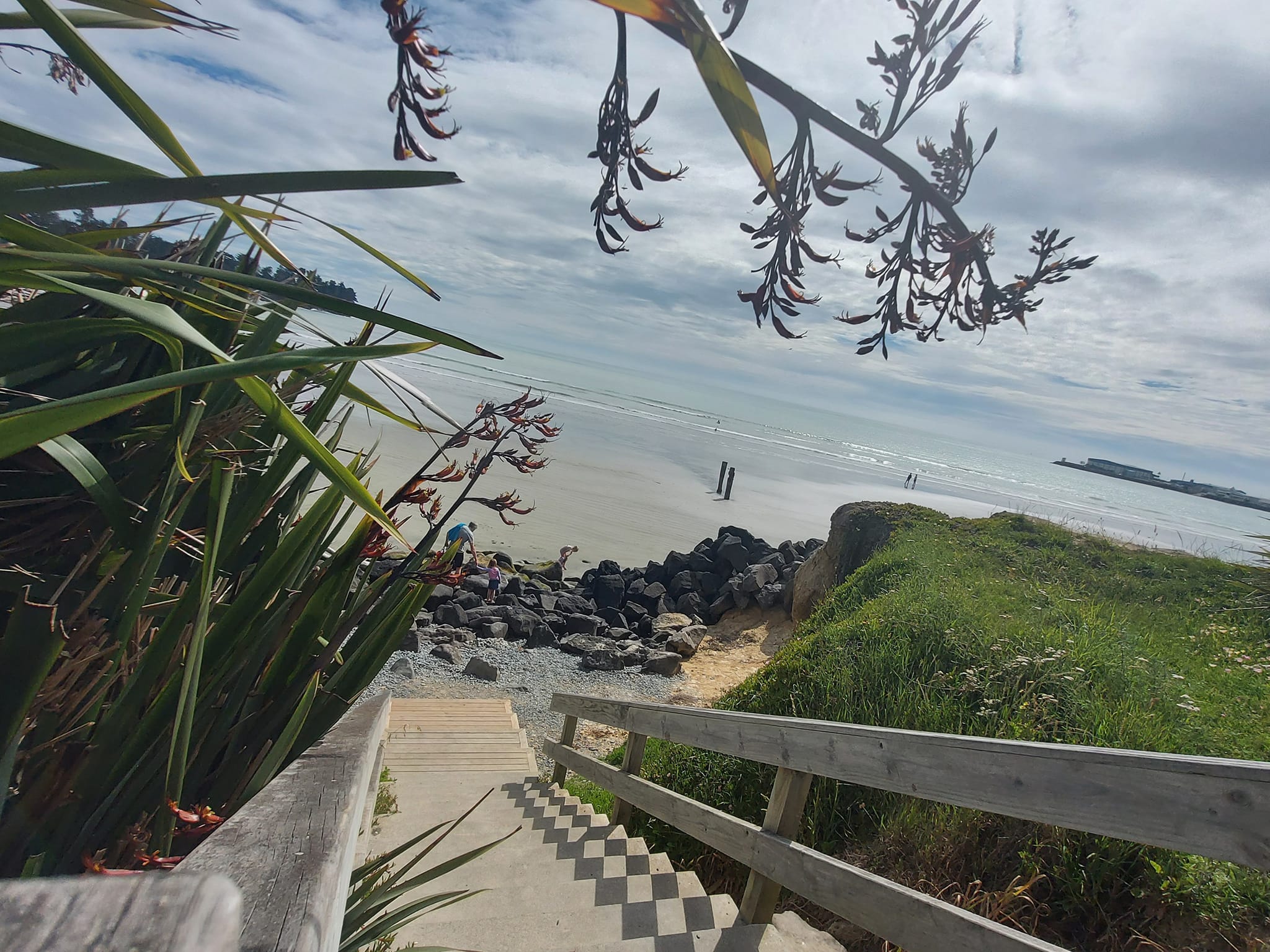
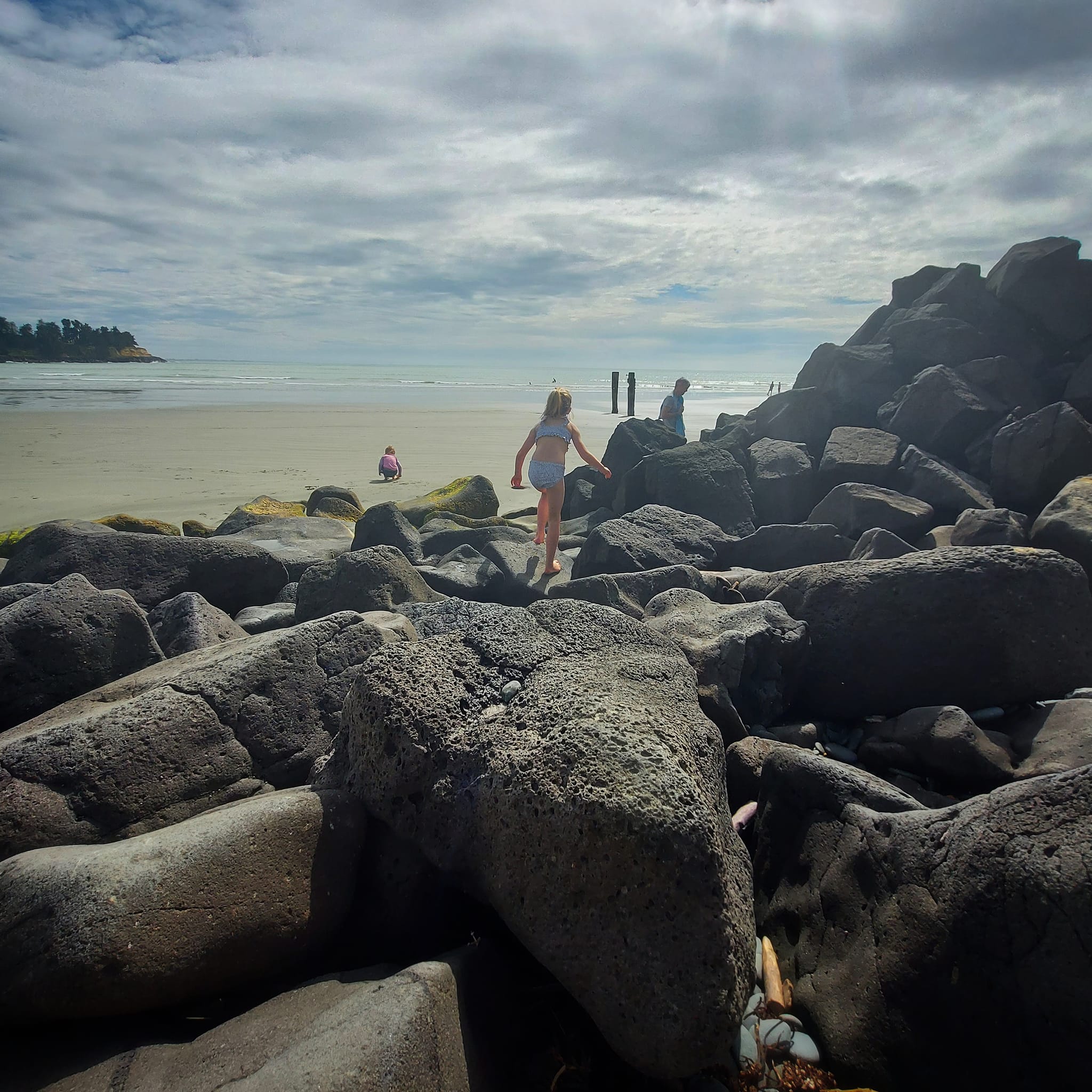
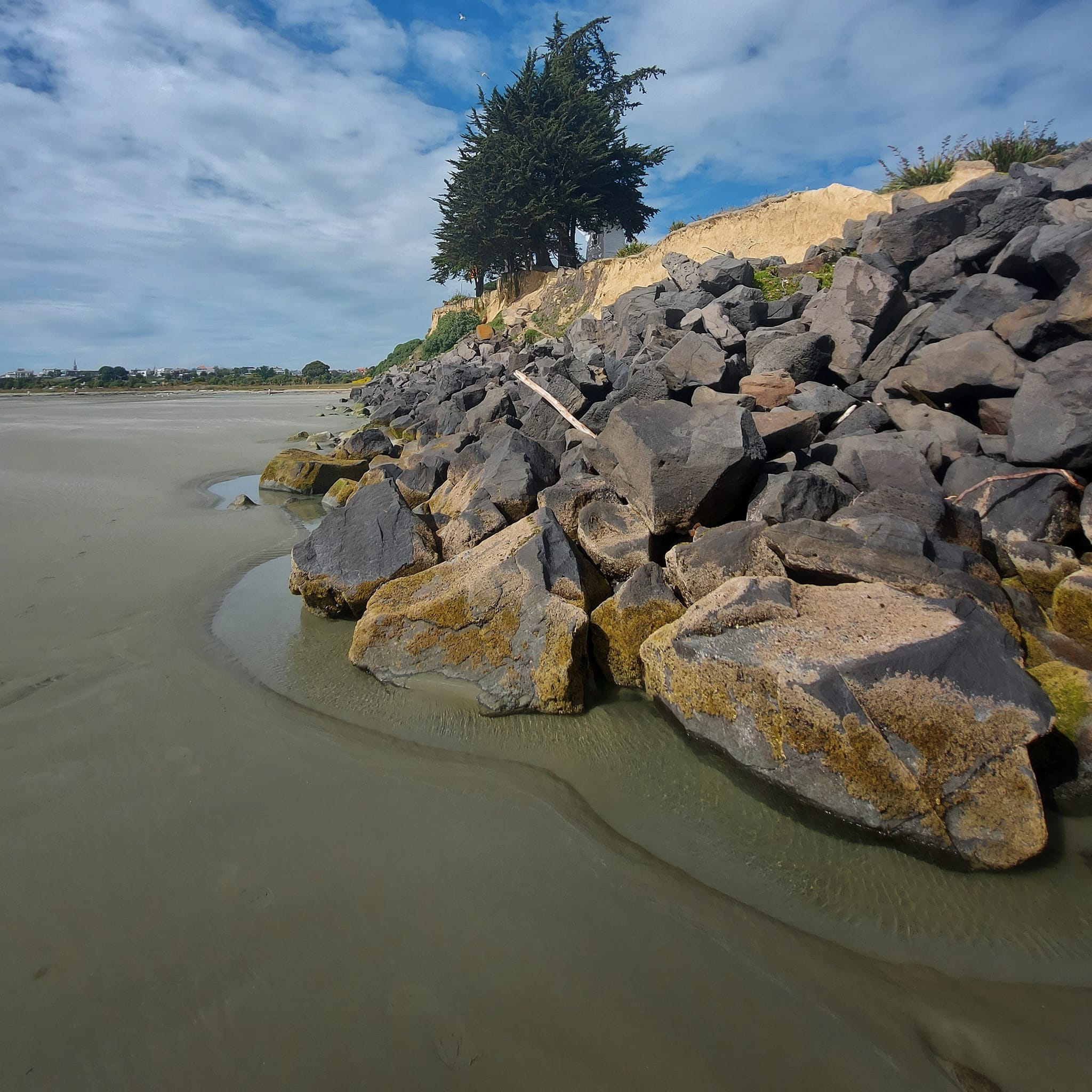
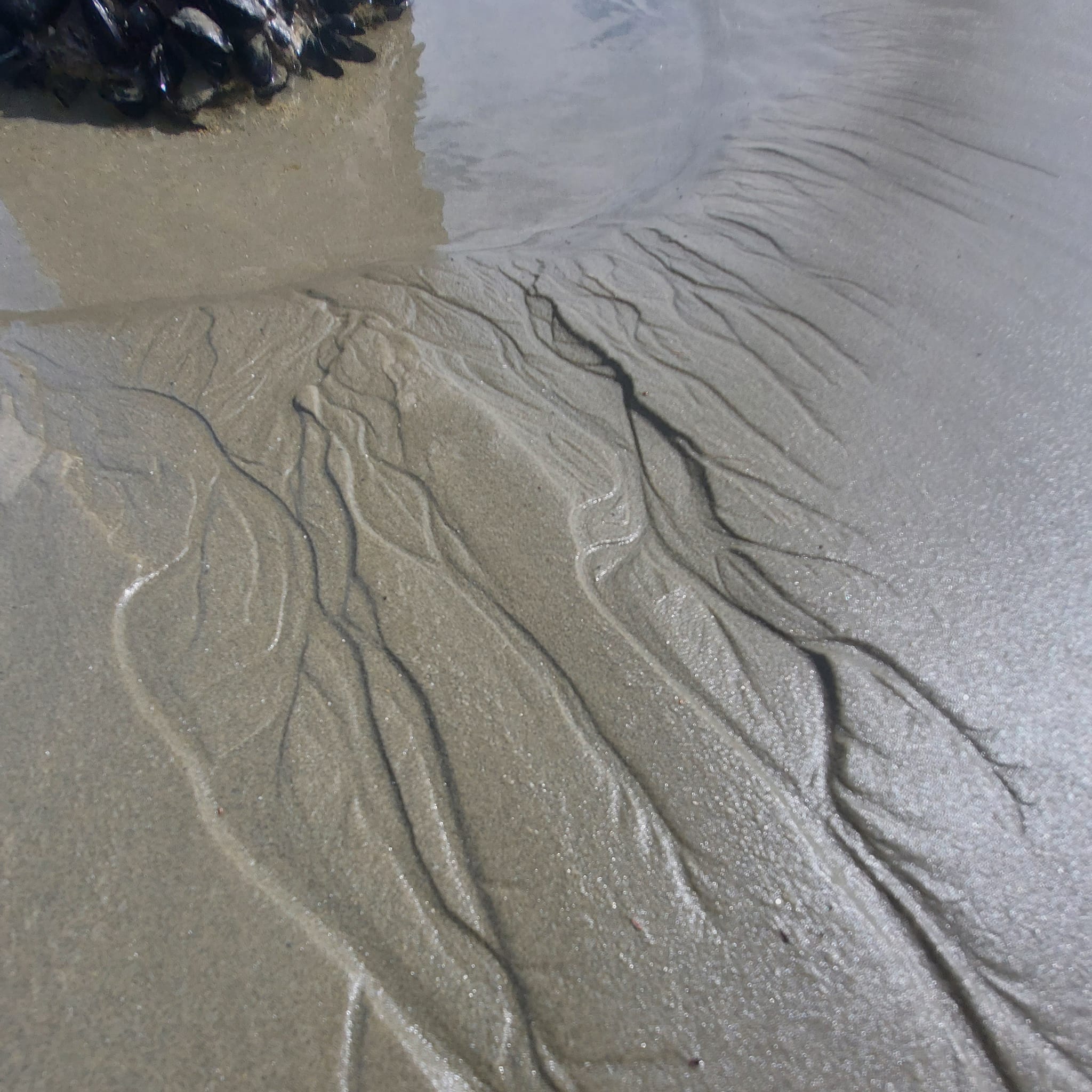
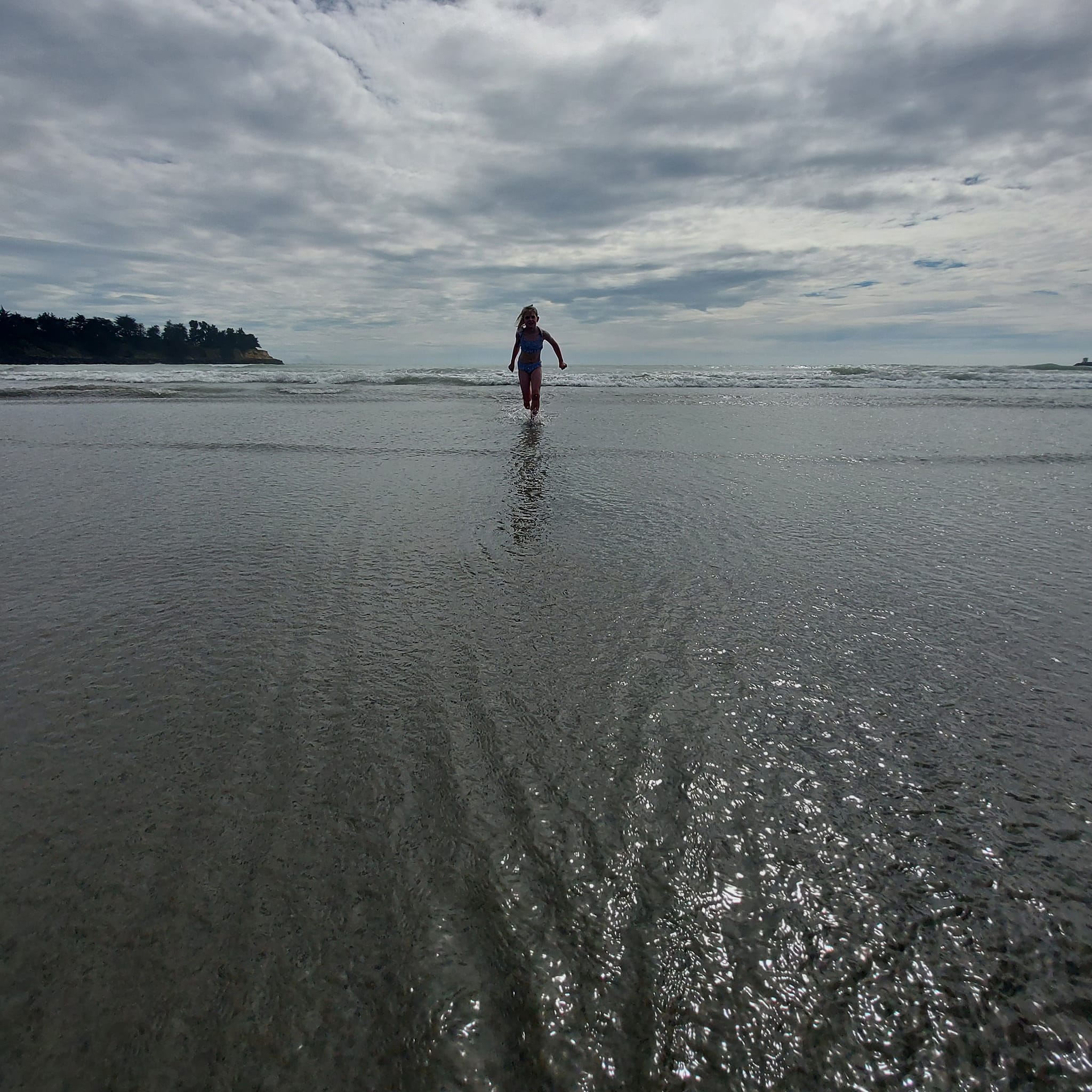
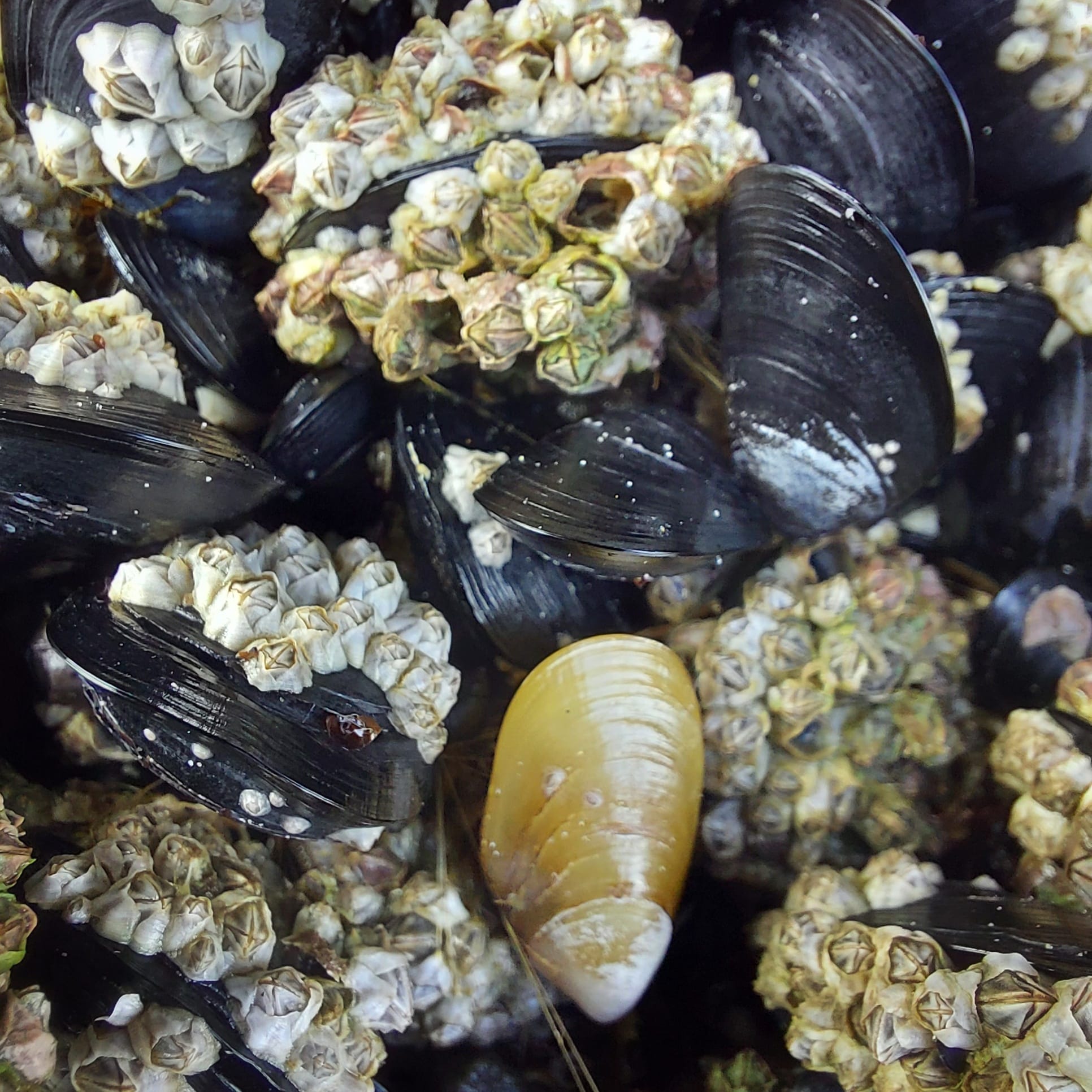
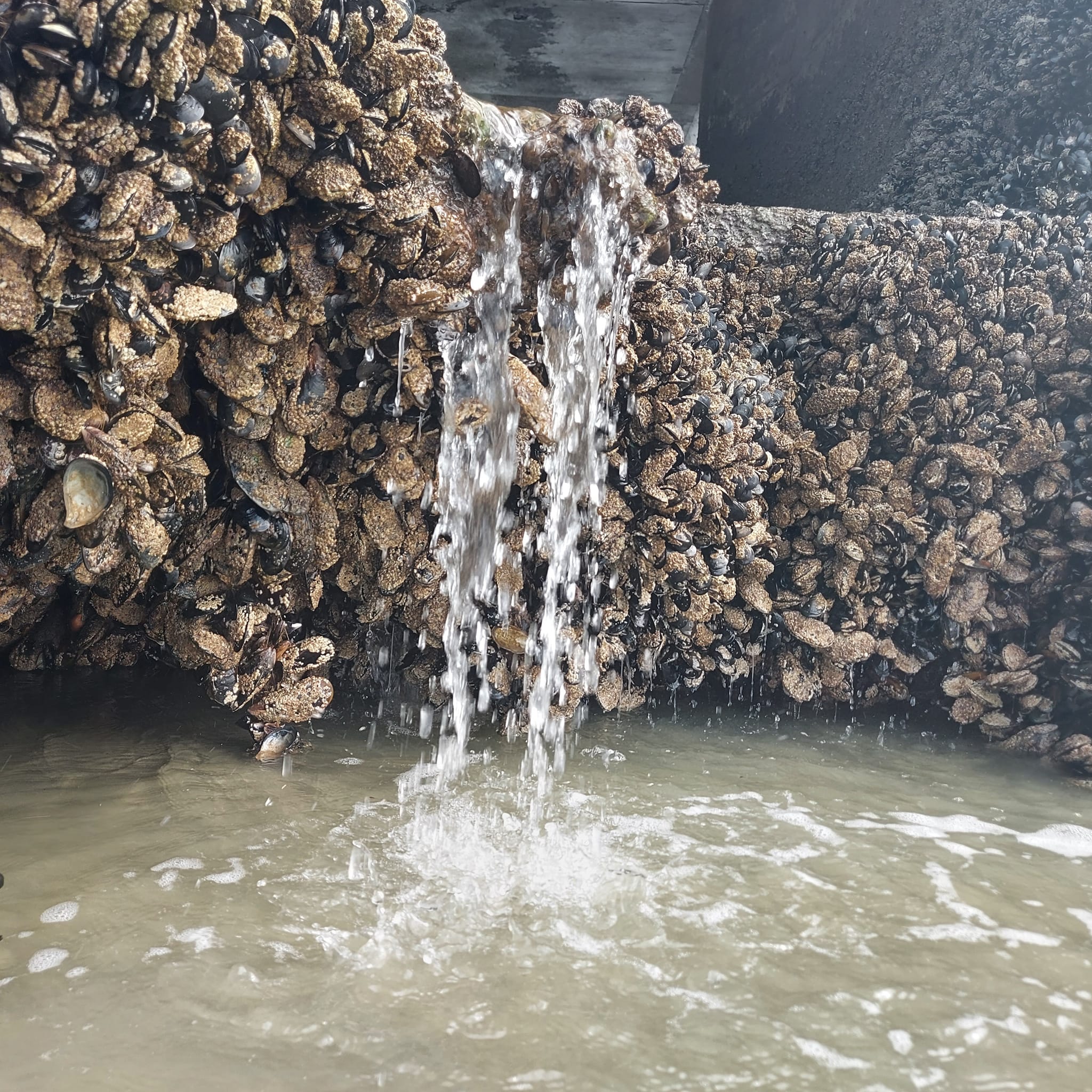
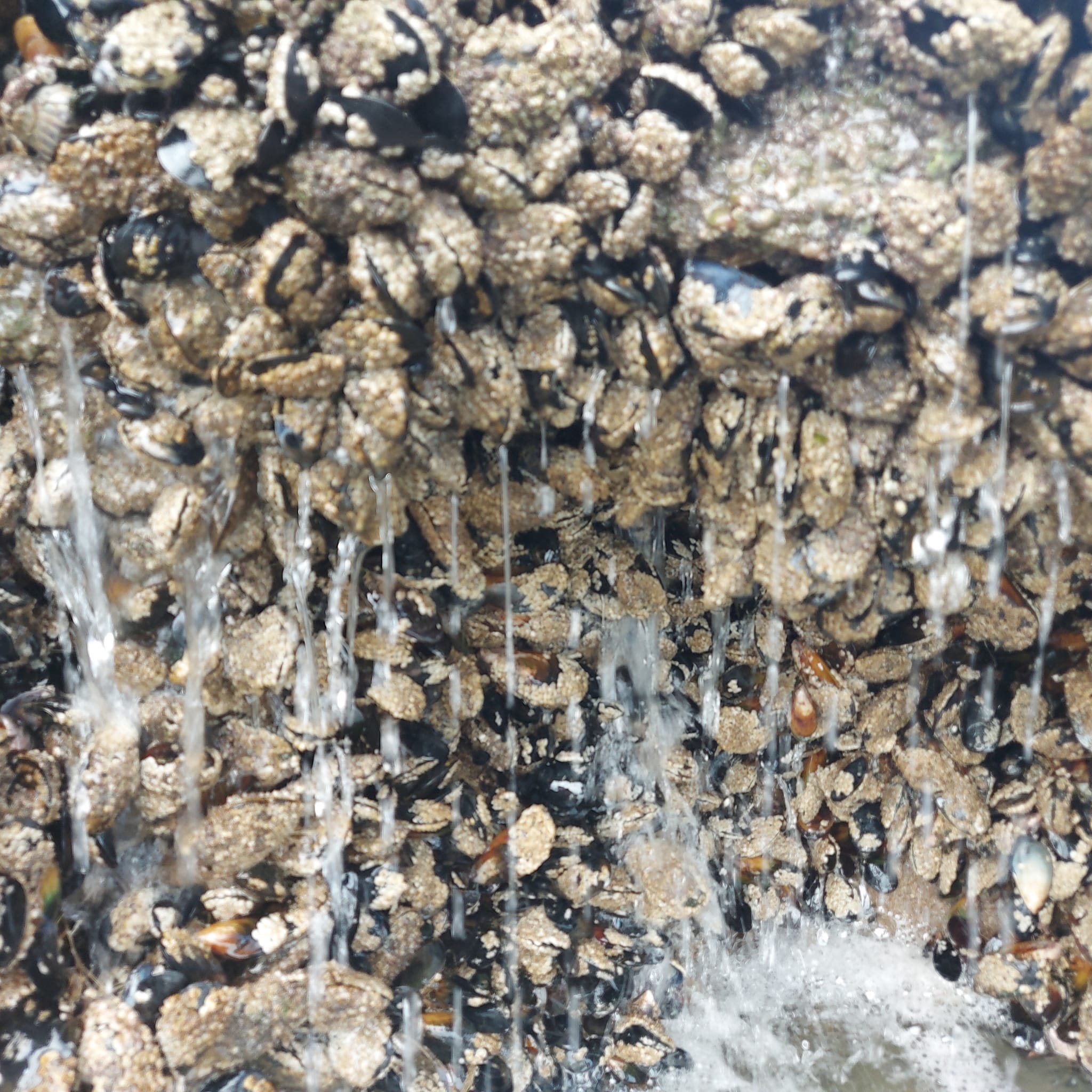
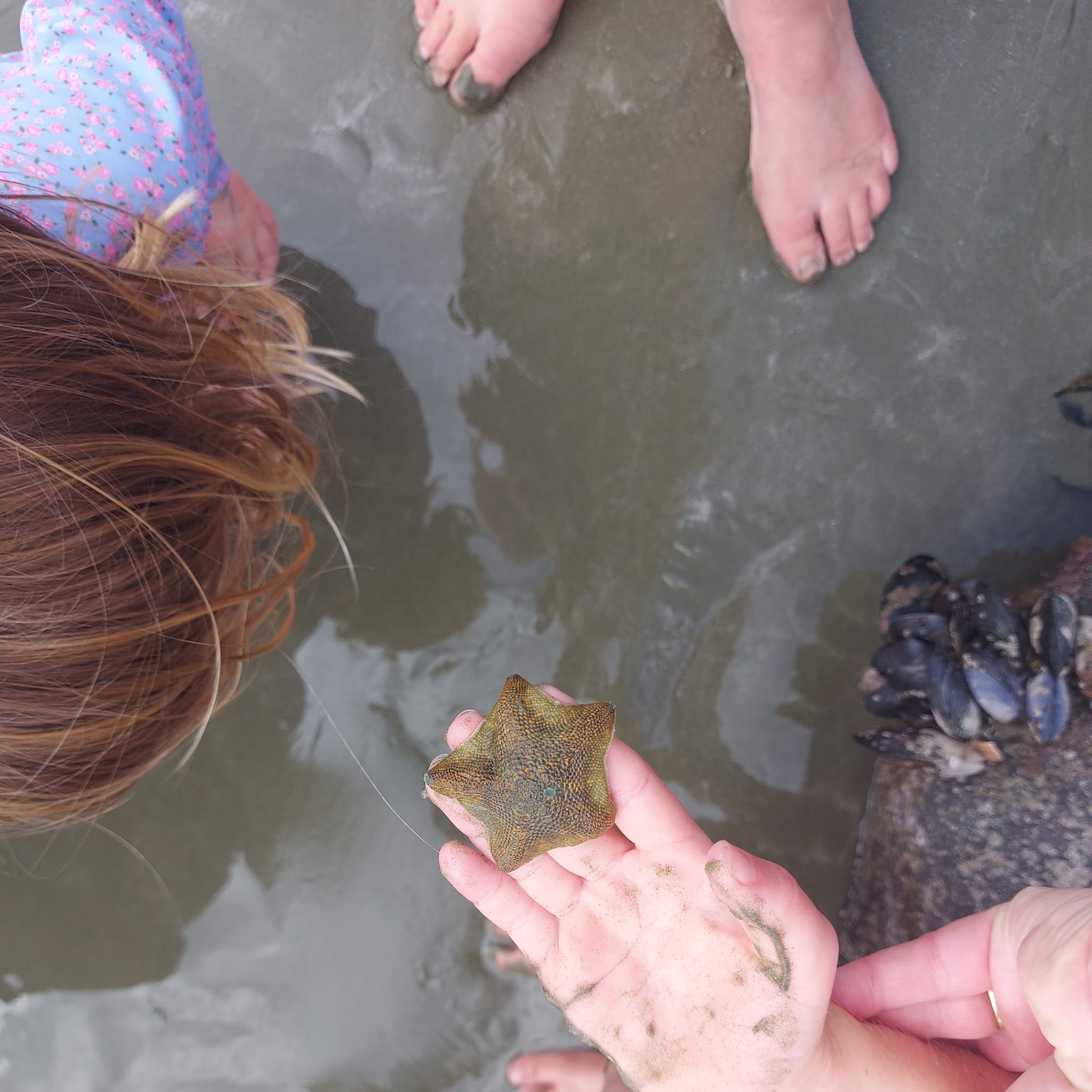
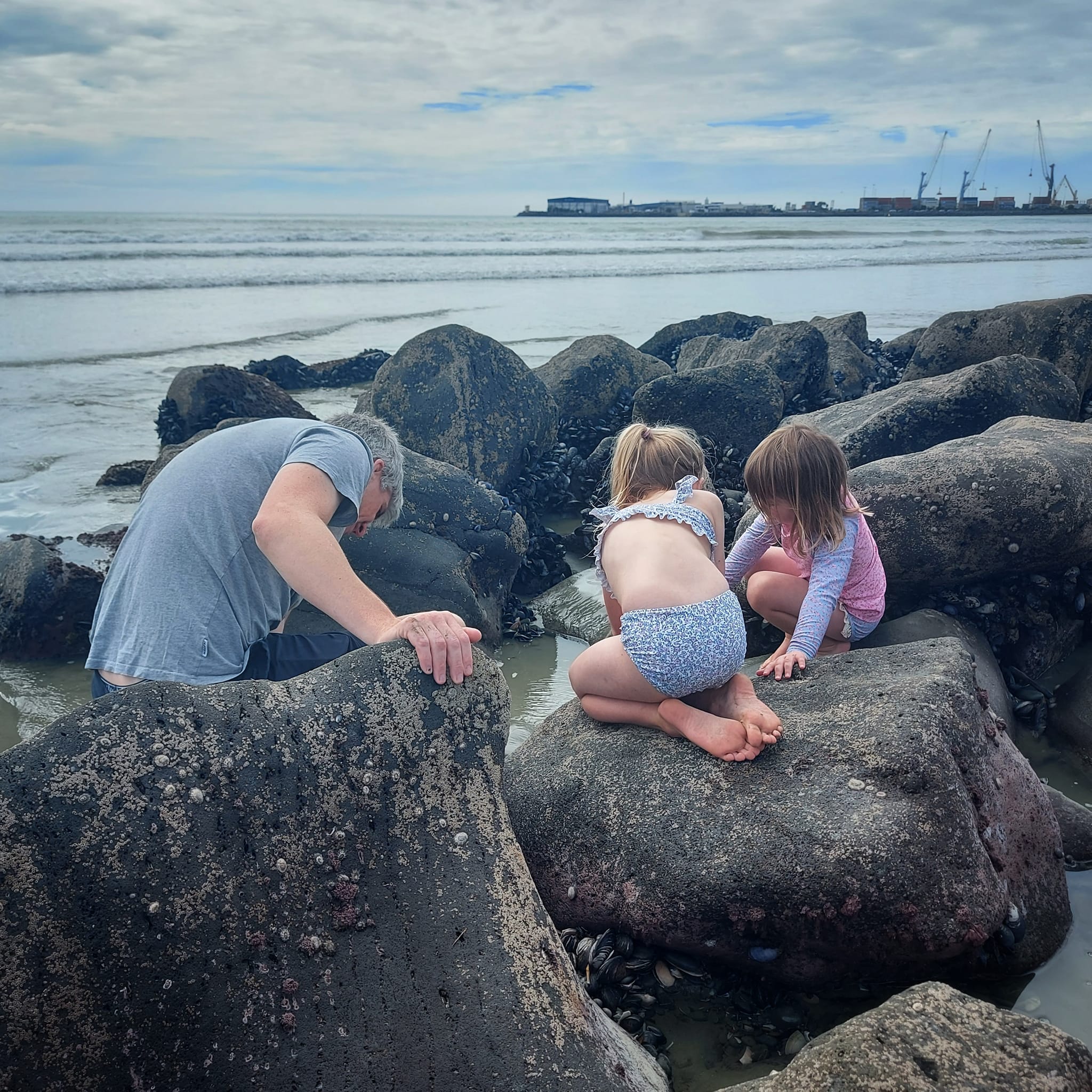
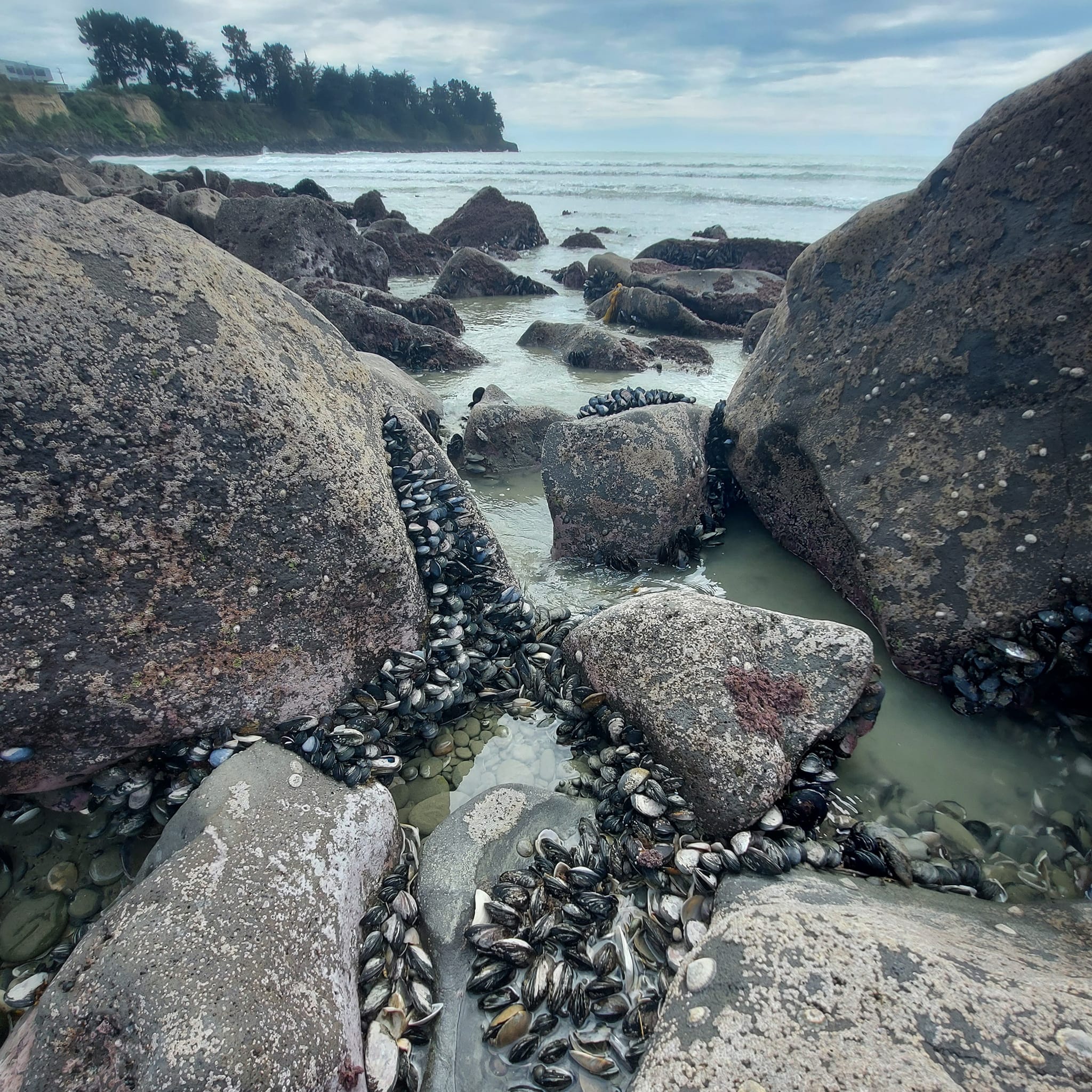
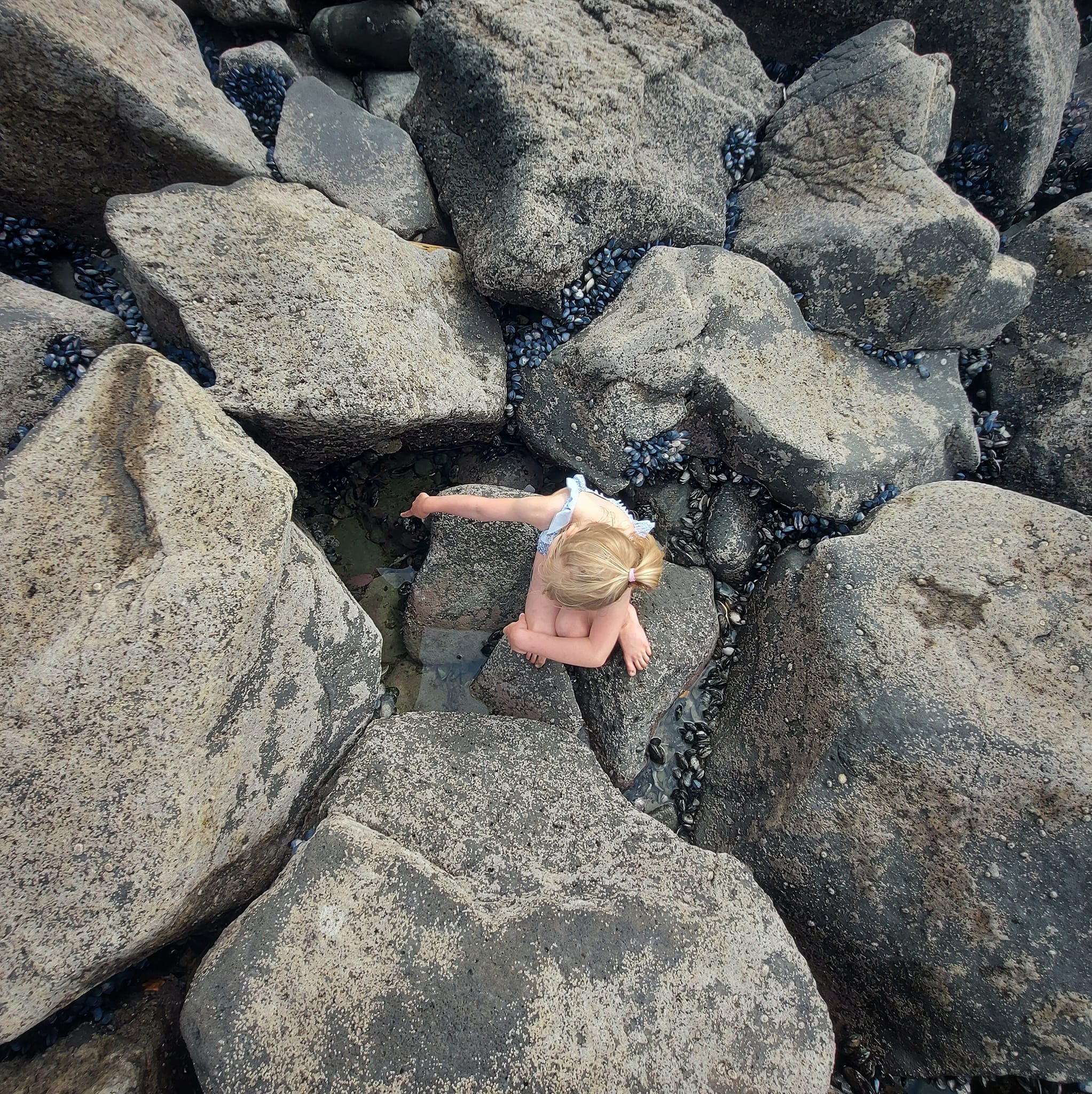
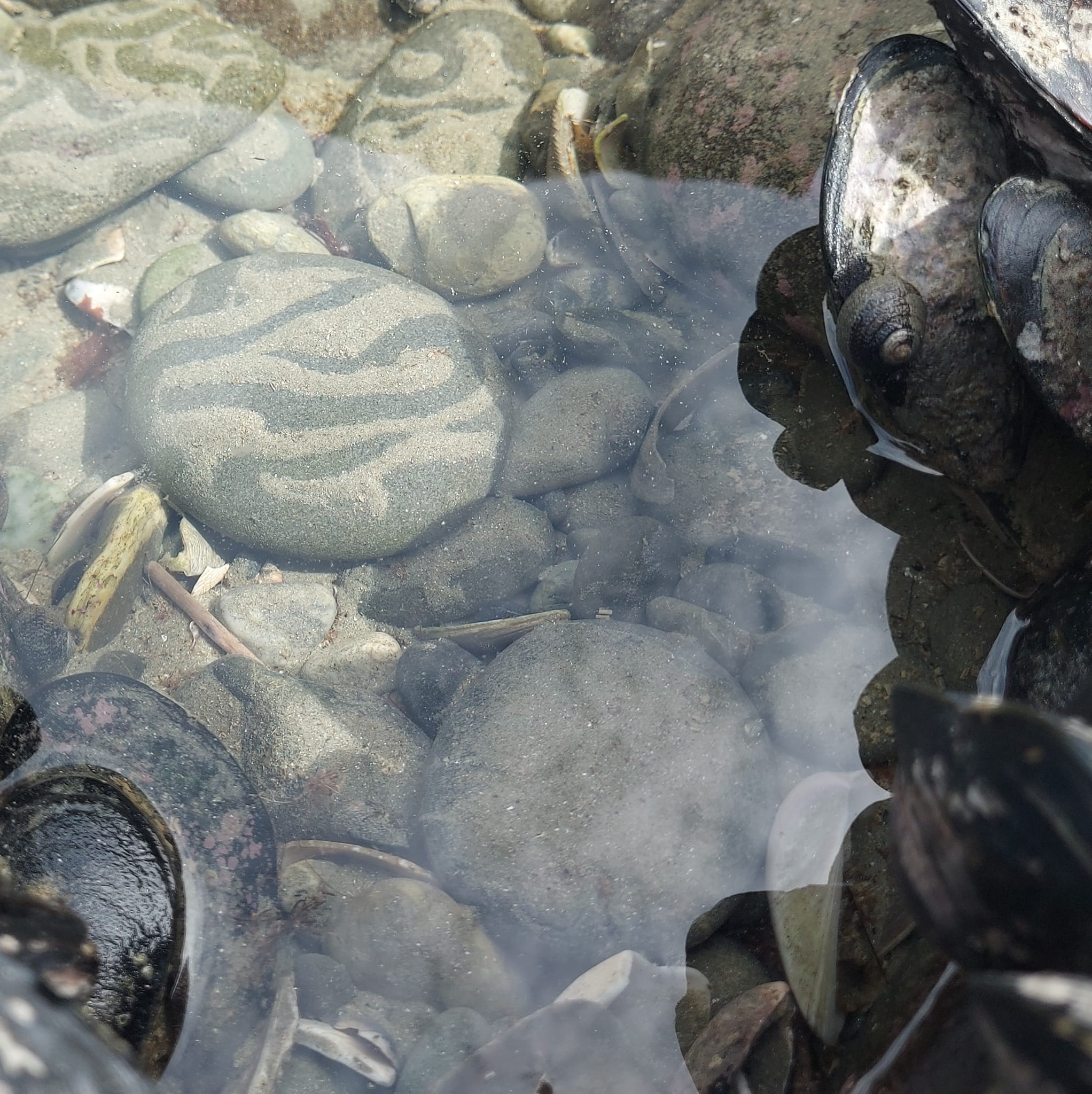
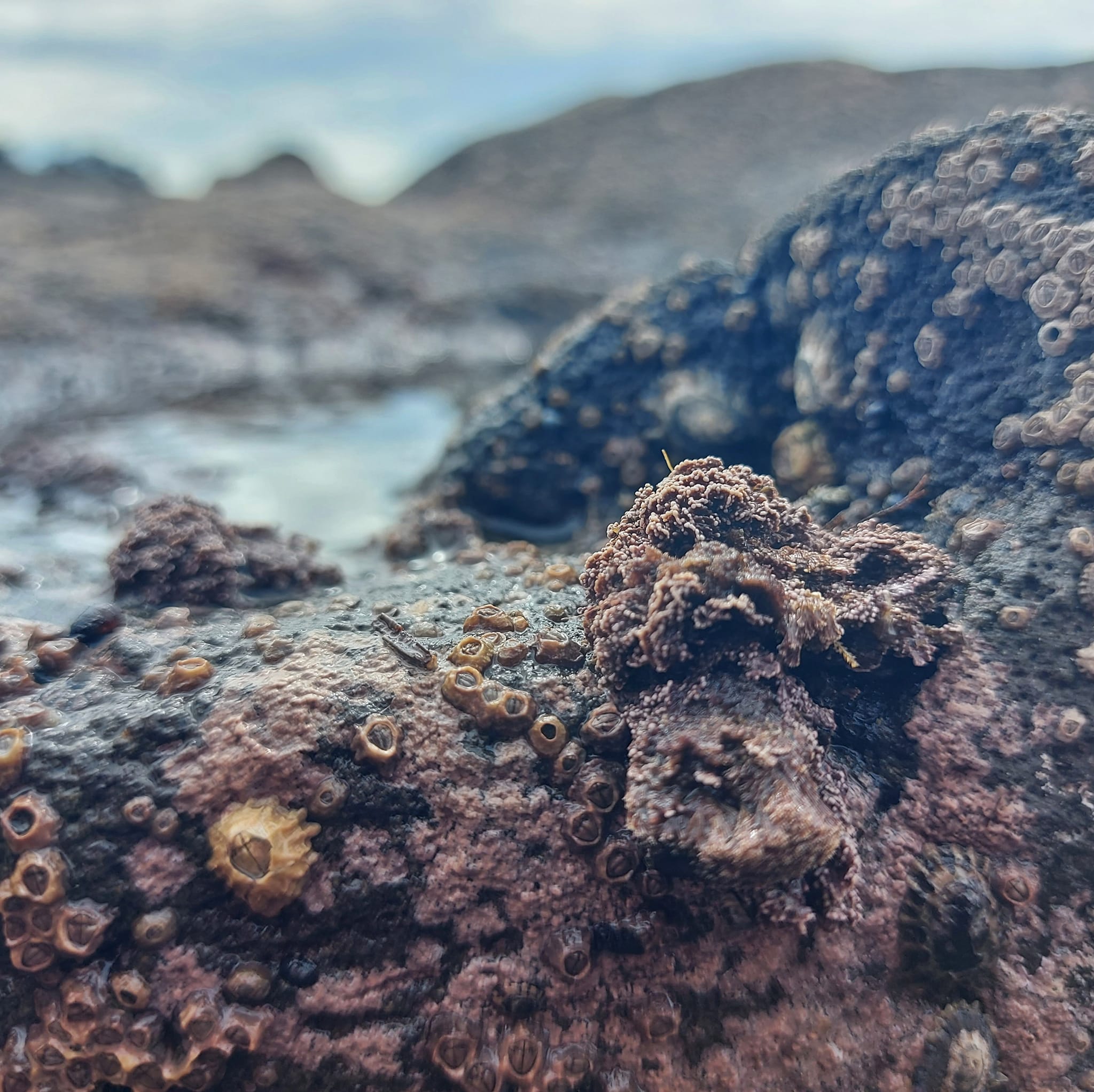
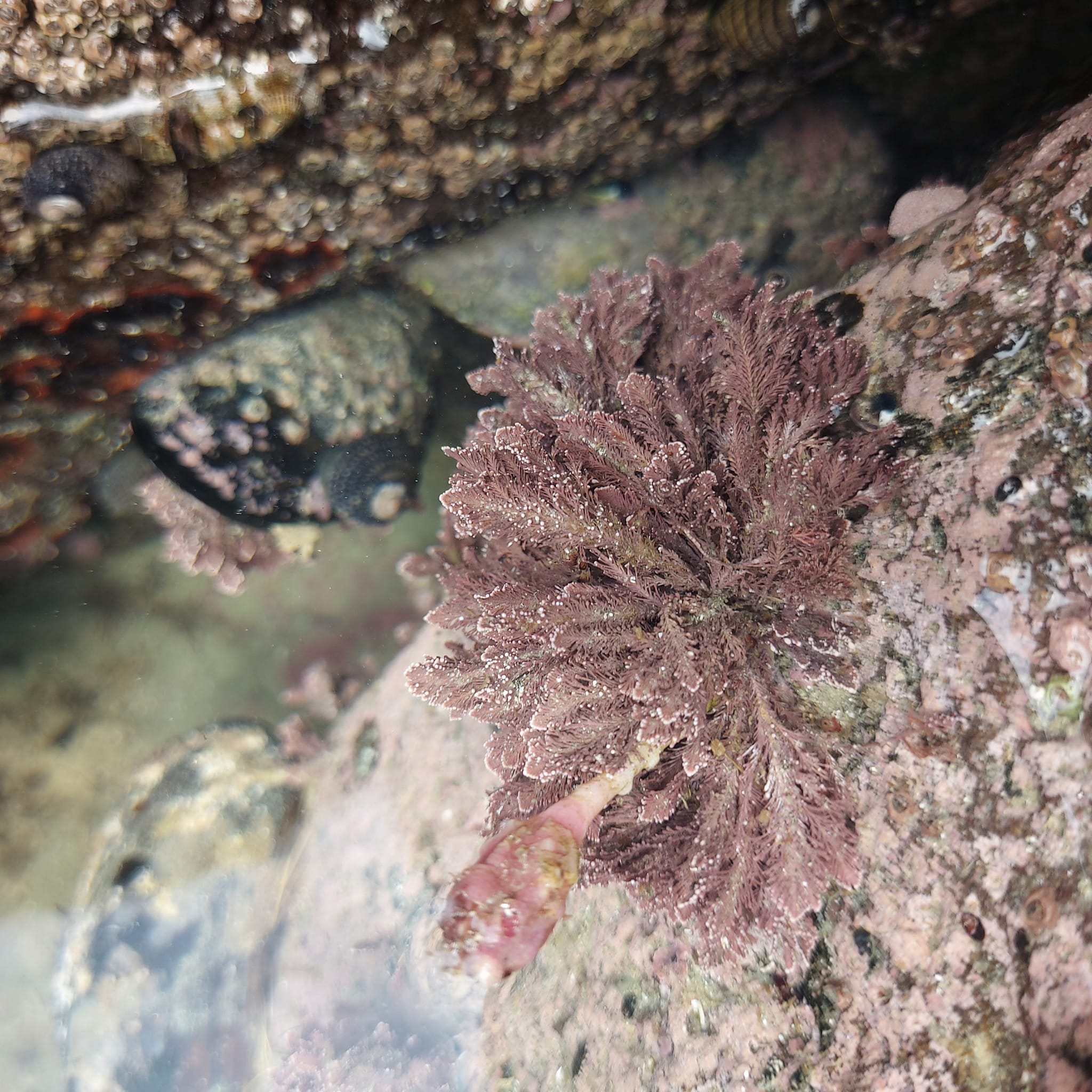
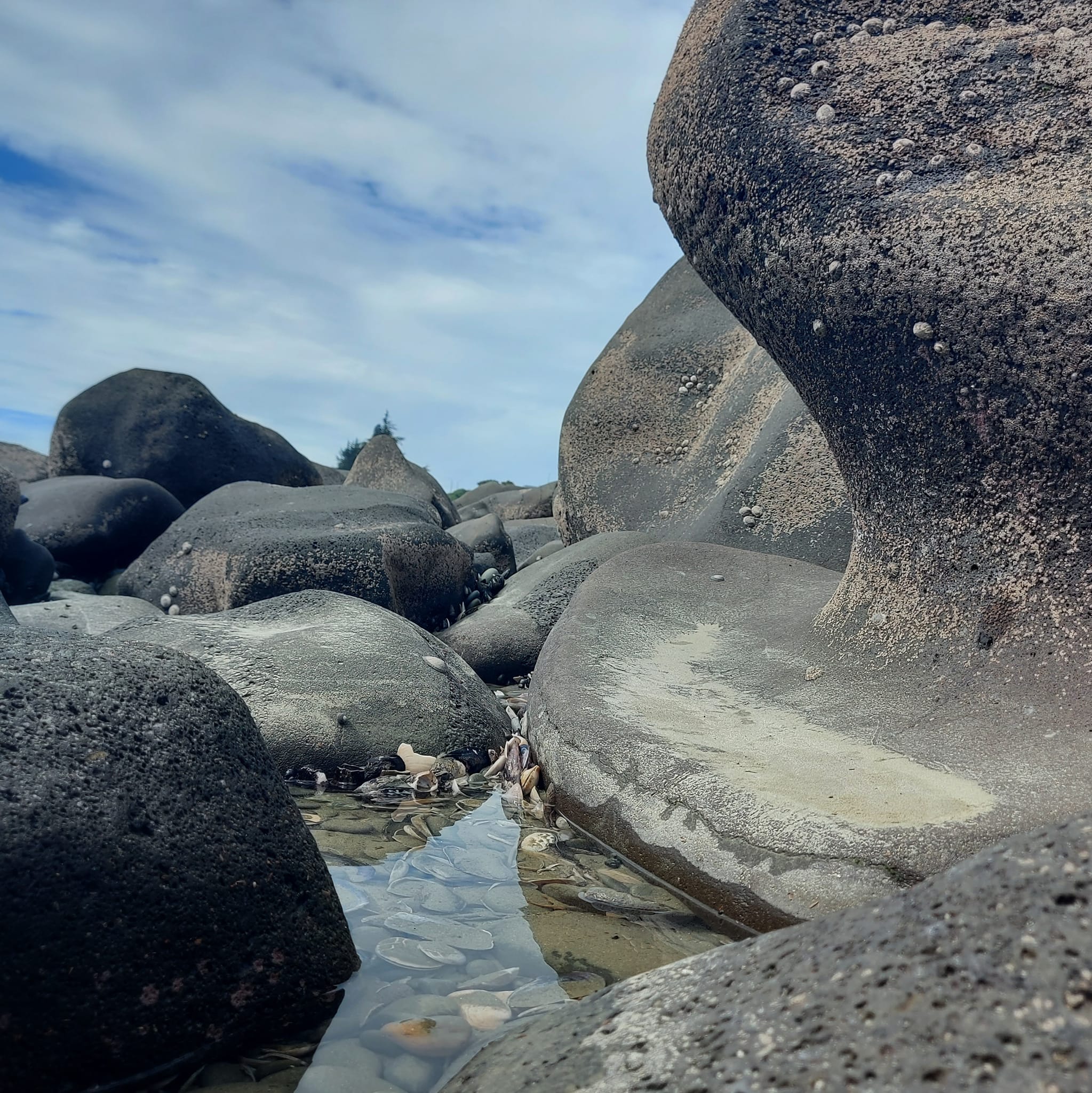
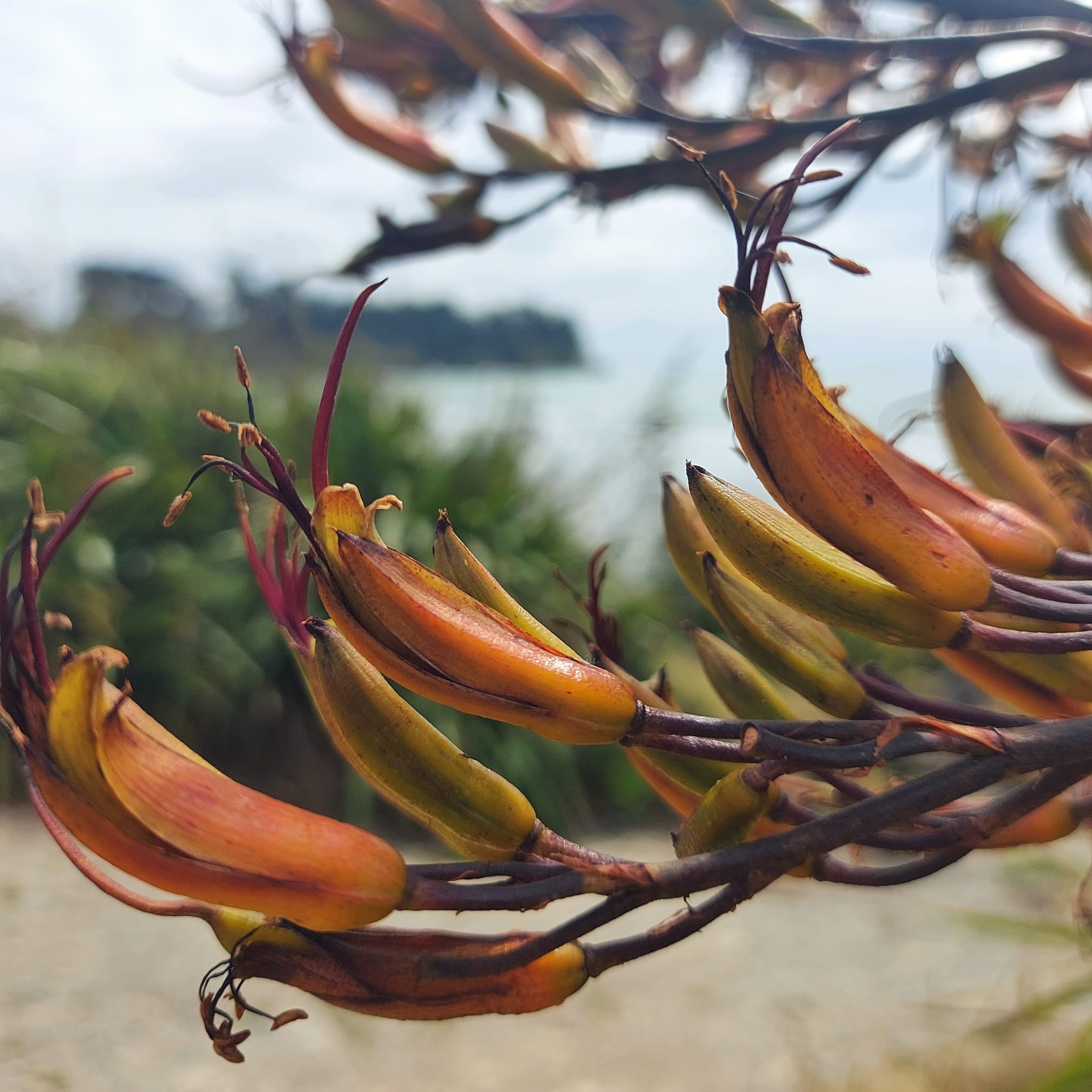
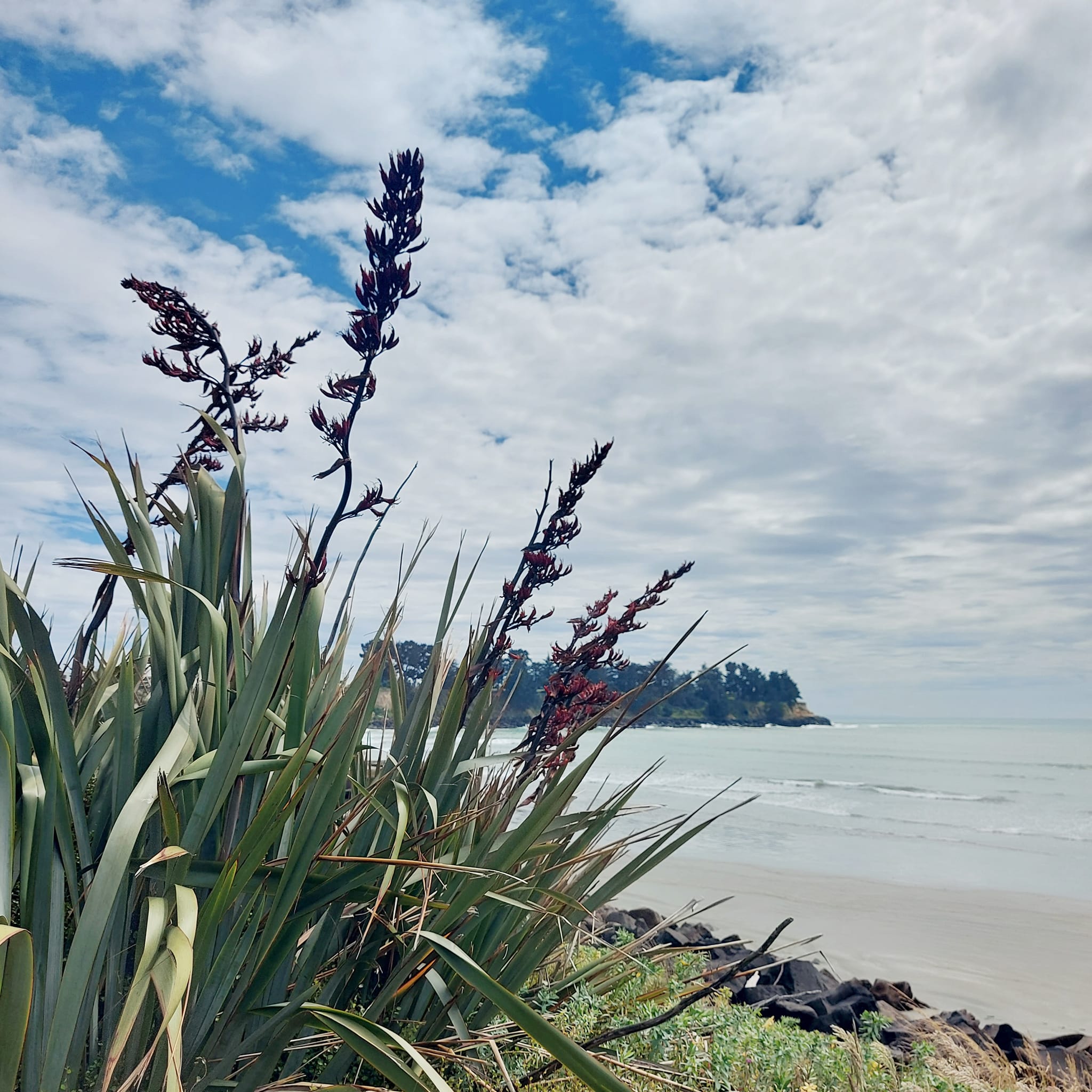
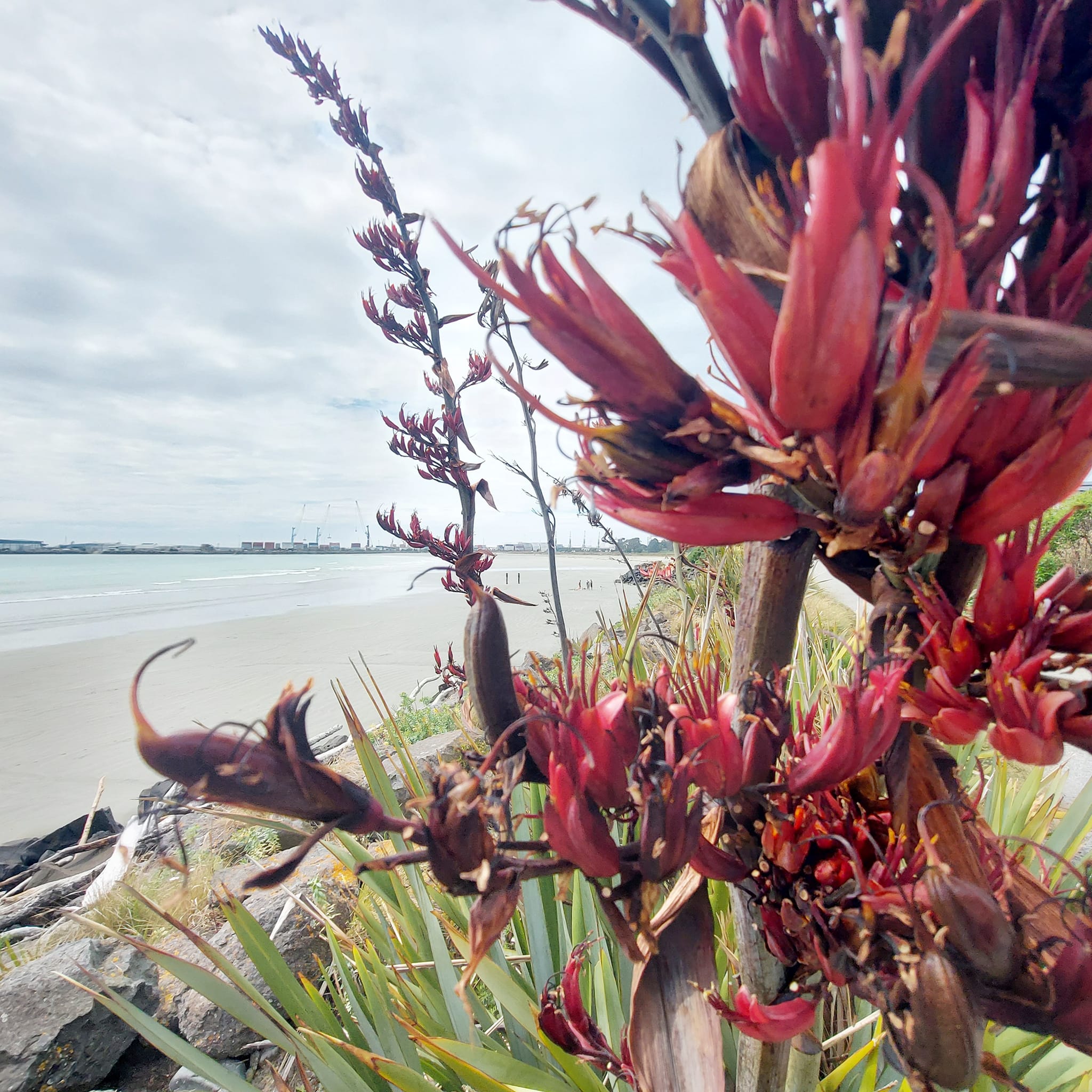
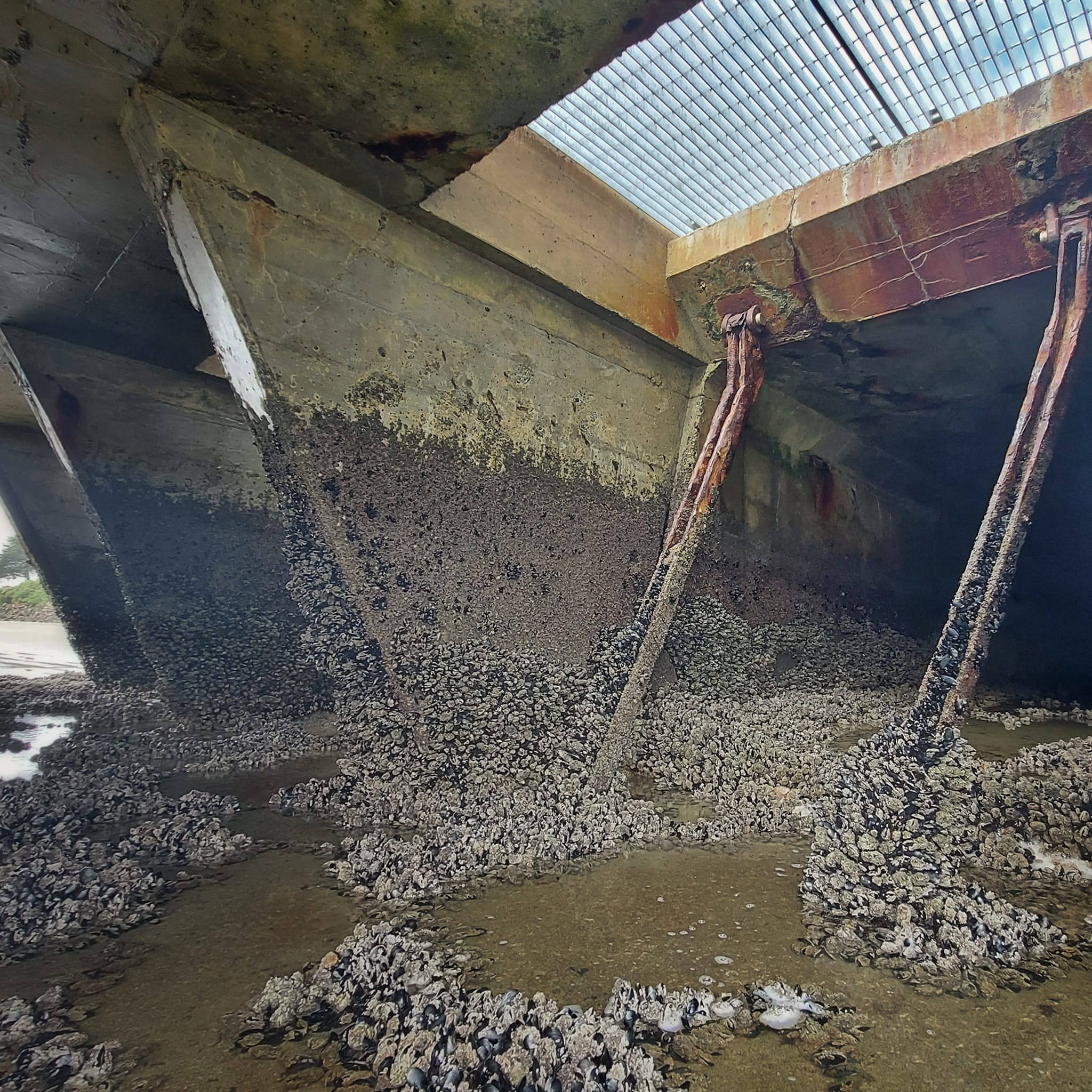
Near the edge of Ashbury Park, the stormwater drain reveals its tunnel to the sea. Above, the old Blacket lighthouse watches from the Benvenue cliffs. The area used to be a huge wetland and coastal lagoon, and was drained in the 1930s to mitigate the highway flooding issues and coastline change. We love it here, it’s a place to wander, to notice small things, and to breathe with the rythum of the seas waves. sometimes I forget that this is the edge of the ocean that goes on for miles and miles.
Ashbury Park is a green space with a rich and layered history. Originally, this area was the Waimātaitai Lagoon—a 50-acre coastal wetland fed by Waimataitai Creek. For generations, it served as a vital mahinga kai site for Ngāi Tahu, providing tuna (eels) and inaka (whitebait) . In 1857, Captain Belfield Woollcombe, often reffered to himself as the "father of Timaru," settled here. He built one of the town's earliest European homes, naming it "Ashbury" after his family's estate in Devon, England. The English trees he planted still grace the southern end of the park .
The construction of the Port of Timaru in the late 19th century disrupted natural sediment flows, leading to the erosion of the lagoon's protective barrier. By 1933, the lagoon had drained away. The reclaimed land was transformed into Ashbury Park, now featuring open lawns, sports facilities, and playgrounds. Today, Ashbury Park stands as a testament to Timaru's evolving relationship with its natural environment, blending historical significance with community recreation.


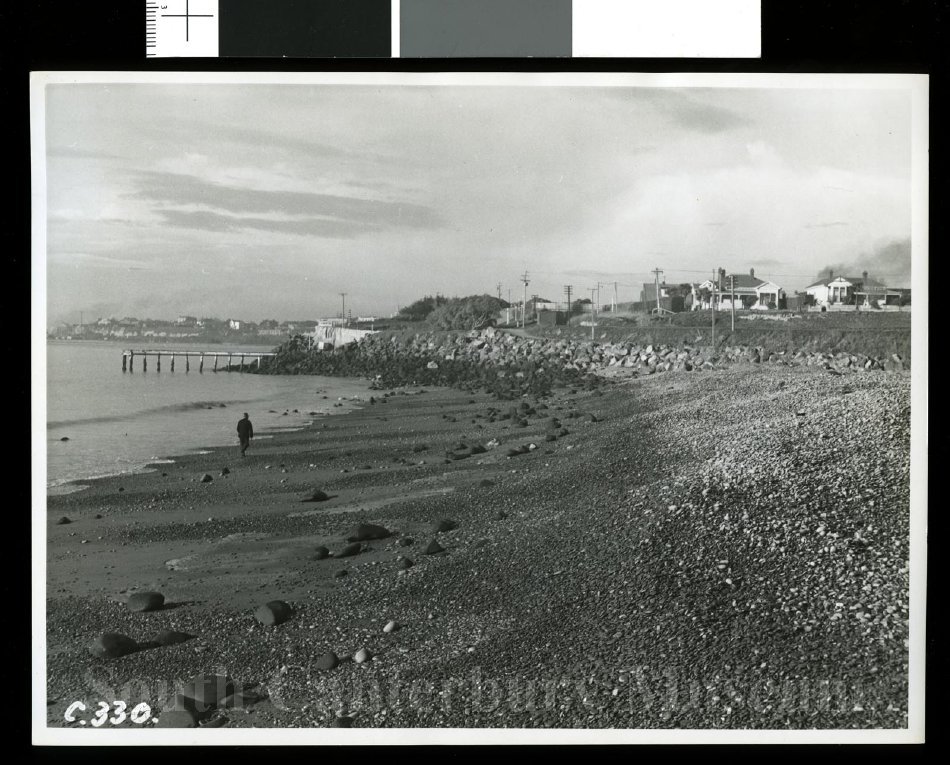
New Zealand. Ministry of Works, South Canterbury Museum 2009/169.10
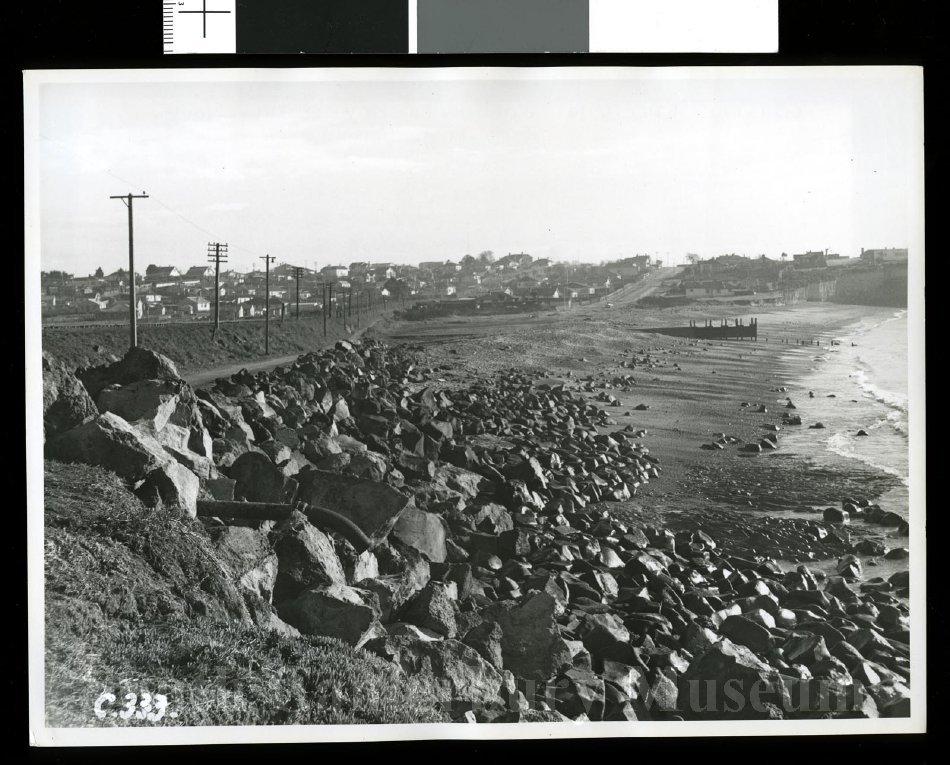
New Zealand. Ministry of Works, South Canterbury Museum 2009/169.10