
By Roselyn Fauth

We are often reminded that the best decisions are made not just for today, but with the future in mind. When it comes to our art collection, this means caring for it in ways that reflect the kind of community we want to be remembered as. If we decide with the next fifty years in mind, we show that South Canterbury is a place that honours its heritage, treasures creativity, and gives generously to those who will come after us...
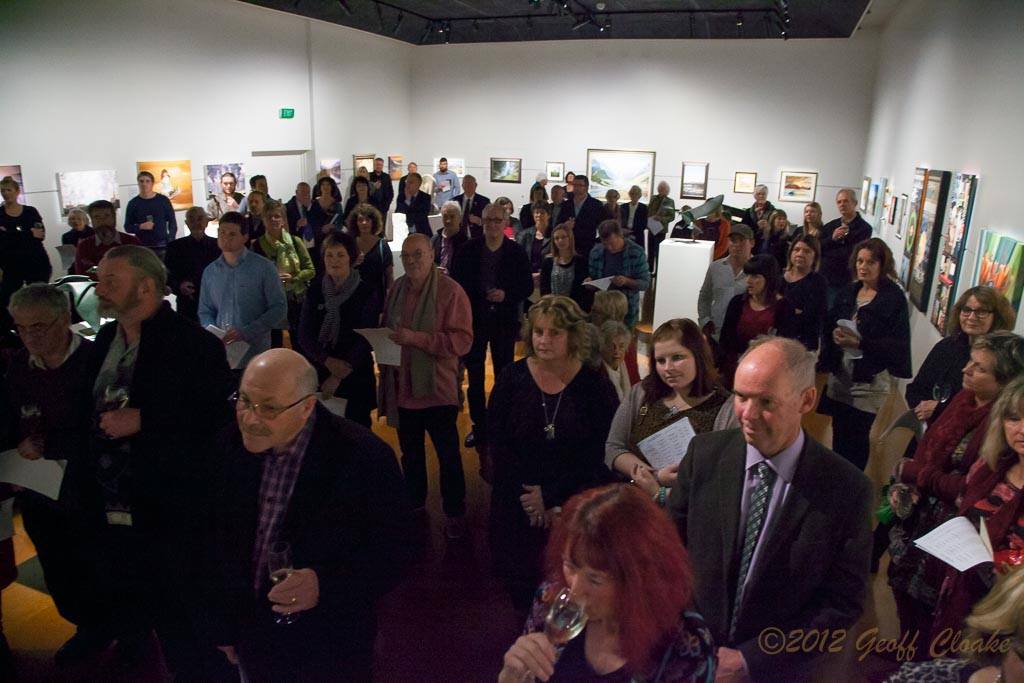
One of my earliest memories is of twirling through the Aigantighe Art Gallery at just three or four years old, during my father’s first photography exhibition at the Gallery. At the time, I dont think photography would have been widely seen as an art form. My father, Geoff Cloake, was the first to hang photographs on those walls, inviting people to see the artistry of the lens alongside paint and sculpture. The gallery gave him, and our community, the inspiration and the courage to see differently.
As a teenager, I sketched my family’s Cloake’s honey tin and entered it into Artarama, the youth art exhibition. To my delight, it was displayed and I even won a prize from the Friends of Aigantighe. That moment shaped me. Twenty years ago, after helping to establish Arts Canterbury, I was invited to join the Friends committee alongside my father. I made a painting about meeting my husband and experiencing his home on the Westcoast. This is part of the Aigantighe Art Gallery perminant collection. And more recently worked with the Gallery team to bring community story telling and art to the Caroline Playground. I have met so many wonderful staff, volunteers, artists, visitors and guests. Each of them, like me, carries a story of what the Aigantighe means to them.
For me, the Aigantighe is more than a gallery. It is a library of artistic expression, filled with gifts entrusted by artists, families and collectors. It is where we can learn, be challenged, be inspired and find joy.

Where We Are Now
The redevelopment of the Theatre Royal and the neighbouring Excelsior Hotel is under way, an exciting project that will also bring a new museum for our community. Alongside this, conversations are continuing about how best to care for the collections of both the museum and the Aigantighe. The news is what has prompted me to write this blog.
There are encouraging signs that planning is moving forward. The gallery is still able to accept donations through its collection policy, and staff are making the best use of the storage that is available. Different options for the future are being looked at, and there is potential to improve and consolidate storage in ways that will benefit both the gallery and the museum.
This is a time of change, challenge, but also a time of opportunity.
A Legacy for Us All
As an artist myself, I treasure the collection in a very personal way. I know what it means to put your heart into creating something and to share that expression with others. I am deeply grateful to those who had the foresight to establish this legacy for us, artists, families and collectors who entrusted their treasures to the Aigantighe. Their vision has given South Canterbury a cultural inheritance that is both rich and rare.
The Aigantighe collection is not only important for South Canterbury. Civic collections everywhere form part of a global network of cultural leadership. There are wonderful art advisory and governance groups, in New Zealand and internationally, that have established the standards and frameworks which guide how collections are cared for and developed. These professional standards remind us that the future of our collection matters not just to us locally, but also to the nation and the wider world.
When we protect and grow the Aigantighe’s collection, we contribute to something larger. We ensure that artists from our region are recognised alongside their peers nationally and internationally. We create opportunities for exhibitions, loans and partnerships. Most of all, we show that South Canterbury treasures its stories and is committed to sharing them with future generations everywhere.

Why Storage Matters
People may have different views about rates and priorities, and that is completely understandable. What I see, though, are the many reasons why caring for our collection is something to be proud of.
Protecting our heritage. Appropriate storage allows us to safeguard treasures that already belong to the community. By caring for them well today, we make sure they remain in good condition for generations to come, so that we and our children can continue to learn from them and enjoy them.
Honouring a community inheritance. The collection is an extraordinary gift, built over generations by artists, families and collectors. It is not a burden, but a source of pride and identity that connects us to who we are.
Creating the right foundations. Conservation grade storage is not just about space. It is the very foundation that allows artworks and taonga to be preserved, shared and celebrated for generations to come.
A place for everyone. The Aigantighe has long been a place of inspiration for school children, families, visitors and everyday locals. Just like our parks or sports fields, it belongs to the whole community, whether we use it every day or only on special occasions.
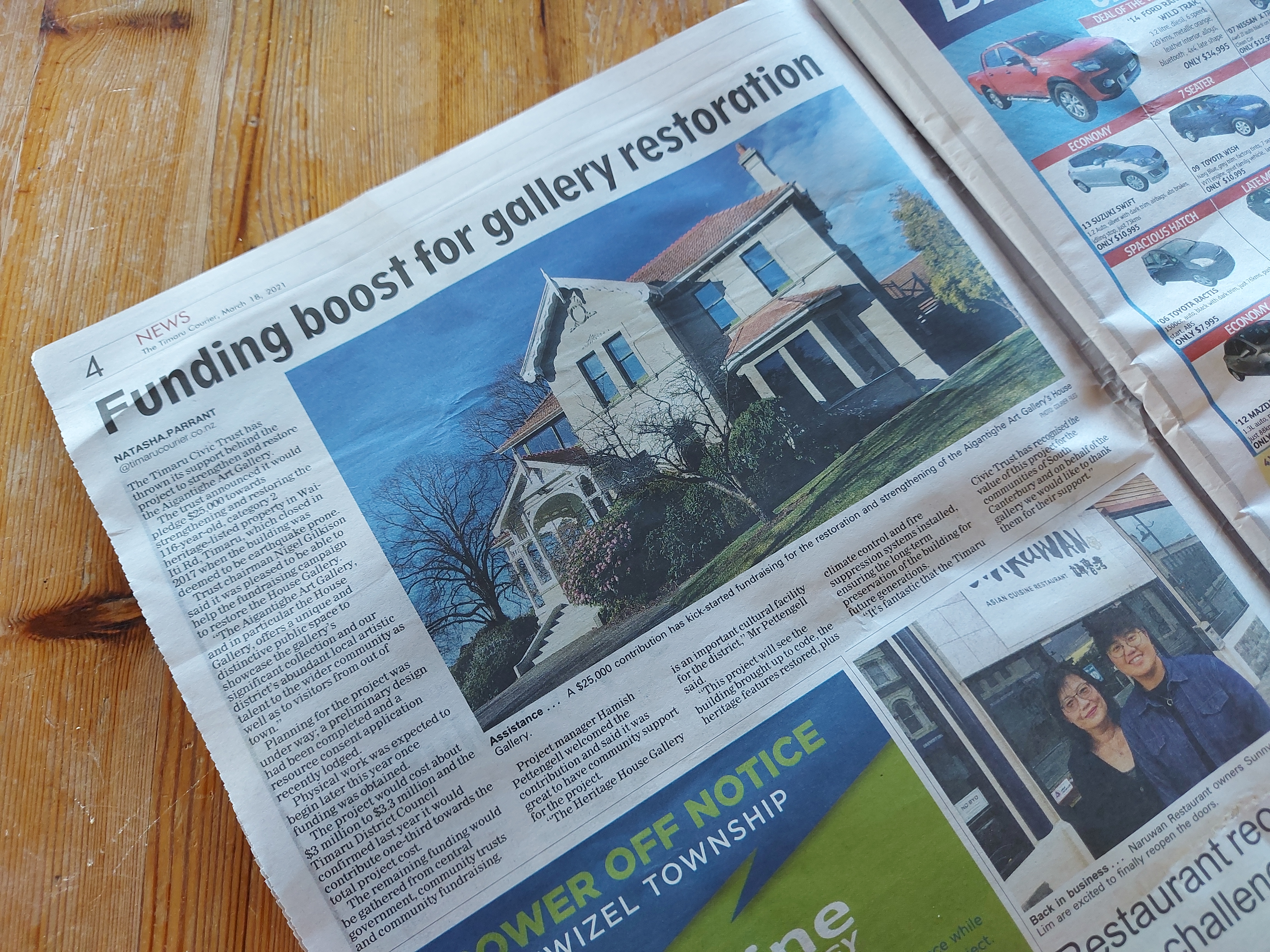
Side Quest: Why Public Galleries Matter in Aotearoa
If we step back and look at the national picture, galleries and museums are recognised as essential, not optional.
-
In the year to March 2023, the arts and creative sector contributed $16.3 billion to New Zealand’s GDP, about 4.3% of the entire economy. The sector grew faster than the economy as a whole, and supported nearly 117,500 jobs. A significant proportion of these roles are held by Māori. Source:
-
Cultural institutions across New Zealand received an estimated 10.8 million visits in a single year, with more than one-third of those visits made by locals rather than tourists. Source:
-
Public attitudes show growing support:
-
63% of New Zealanders believe the arts help define who we are.
-
64% agree the arts contribute positively to the economy.
-
62% think the arts should receive public funding (up 13 points since 2014).
-
41% say the arts are important to their personal wellbeing.
-
Sources:
https://artsaccess.org.nz/survey-findings-on-the-arts-a-goldmine
https://thebigidea.nz/stories/report-nzers-relationship-with-the-arts-revealed
-
-
The benefits go well beyond dollars and attendance. Research shows museums and galleries contribute to health, education, social cohesion and community wellbeing. Source:
These figures show that what we do here in South Canterbury is part of something much bigger. Our local gallery is not just a home for art, it is part of a sector that strengthens the economy, enriches lives and helps define who we are as a nation.

Seeing the Opportunity
This moment allows us to think long term. As a community, we now have the chance to:
- Create conservation grade storage that ensures our artworks and artefacts are safeguarded for generations.
- Future proof capacity so the gallery and museum can continue to accept new gifts, keeping the collection alive and growing.
- Bring gallery and museum storage together, strengthening both while respecting the unique needs of each.
- Celebrate partnership between council, staff, volunteers and the public, recognising the extraordinary investment of time, donations and passion that has sustained these collections for more than a century.

Let's Think Beyond Today
Over the years, Friends volunteers have often been called on to support the council, our artists and the wider community. We do this because we know the collection is not just for us, it is for everyone, now and into the future.
The legacy founded more than a century ago is in our hands. We are its guardians and caretakers. That means we cannot only ask, “What do we need today?” We must ask, “What is our vision for the next fifty years and beyond?”
Storage is not an afterthought. It is the foundation that ensures future generations can learn from, be inspired by and add to this incredible collection.

Aigantighe Art Gallery is More Than a Building. It is a home for our art in South Canterbury
Art and a building together make a gallery, but it is the people who make our centre for the arts feel like a home. Over the years I have seen how staff, volunteers, artists, visitors and donors all bring life to the Aigantighe. Their energy, generosity and stories transform it from a collection of walls and objects into a living, breathing place of creativity, inspiration and belonging.
My memories of the Aigantighe, from my father’s pioneering photography, to my own teenage sketch, to two decades of volunteering, and now seeing my children visit, reminds me that this gallery is a precious and full of possibility. It nurtures creativity, welcomes generosity and connects us to each other.
I want to be part of conversations about what the future of the gallery and its storage can look like, because I know how important these conversations are, and I look forward to hearing more about the strategy that will ensure the care of the Aigantighe Art Gallery collection.
Yes, we face challenges. But we also have a once in a generation chance to build a future that honours our past and inspires the next century. With vision, care and community partnership, we can ensure that the Aigantighe and our new museum remain treasures South Canterbury can be proud of. As the Friends of the Aigantighe gets ready to celebrate their 50th anniversary of volunteering, supporting the gallery staff and the arts, let's think and plan for what we can and need to create for the next 50 years.
Ultimately, thinking of the generations to come, let' be guardians of our collections treasures.
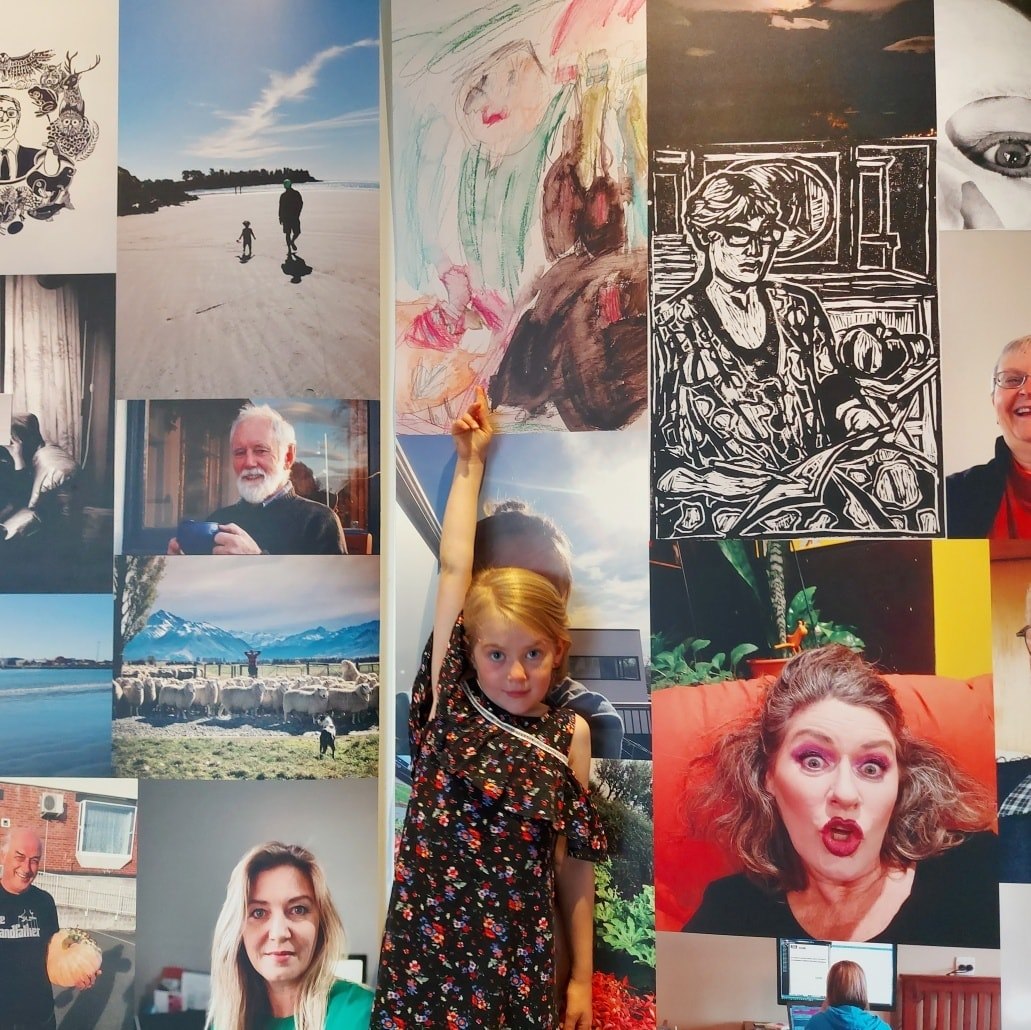
Medinella Fauth points to her self portrait that was on display at the Aigantighe Art Galelry as a result of peoples creativity over the global pandemic
Side Quest: How the Arts Fit Into Our District’s Future
The Timaru District’s Economic Development Strategy and Destination Management Plan—crafted by Venture Timaru (the council’s economic and tourism agency)—paints a bold picture of our region’s future. It emphasises economic resilience, sustainable growth, and community wellbeing, with key strengths and opportunities including:
-
Vibrant creative expressions and cultural assets, such as the historic Timaru CBD and Te Ana Māori Art Centre, are spotlighted as pivotal to enhancing local and visitor experience.
-
Culture and creativity are central themes, reflected in the strategy’s focus on collaboration, creativity and sustainability as drivers of our district’s growth.
-
Arts infrastructure builds place and identity: Investment in cultural venues and activities is positioned as essential infrastructure for attracting people to live, work, visit—and for nurturing pride in place.
-
Community wellbeing and destination vibrancy go hand in hand: Strategic priorities include activating central Timaru, supporting Geraldine’s arts and craft profile, and leveraging cultural assets to enhance visitor engagement.
In short, the plan makes it clear: our arts and heritage are not extra—they are foundational to creating a resilient, attractive, and inspiring district.
Side Quest: How New Zealand Thinks About Storage
Here in Aotearoa, the conversation about collection care is just as important. Our national museum, Te Papa, set the benchmark when it created a dedicated conservation store in Tory Street, Wellington. It is climate controlled, purpose built, and widely recognised as best practice for preserving art, taonga and heritage objects.
Other regional galleries and museums have also invested in professional storage solutions. Auckland Art Gallery Toi o Tāmaki and Christchurch Art Gallery both have conservation-grade collection stores that protect works not currently on display. These spaces are seen as essential because they ensure that gifts and treasures remain safe for the future.
Nationally, the message is clear: caring for collections is not just about today’s exhibitions. It is about stewardship, partnership with iwi and communities, and meeting professional standards so that the stories of Aotearoa can continue to be shared with pride.
Side Quest: How the World Thinks About Storage
If you zoom out for a moment, you’ll find that what we are talking about in Timaru is part of a much bigger picture. Around the world, museums and galleries treat storage as one of their greatest responsibilities. In fact, professionals often say that ninety per cent of museum work happens behind the scenes, caring for collections so they will last centuries.
Take the British Museum, which recently built a brand new £64 million storage and research centre in Reading to safeguard artefacts from across the globe. Or the Louvre in Paris, which has moved much of its collection to a purpose-built centre in northern France, protecting it from the risk of flooding. Closer to home, Te Papa has a dedicated conservation store in Wellington, recognised internationally as best practice.
These examples remind us that we are not alone. South Canterbury’s collection may feel small compared to the Louvre or the Smithsonian, but it is part of the same global story. Every community that holds a civic collection is asked the same question: how will you protect what has been entrusted to you?
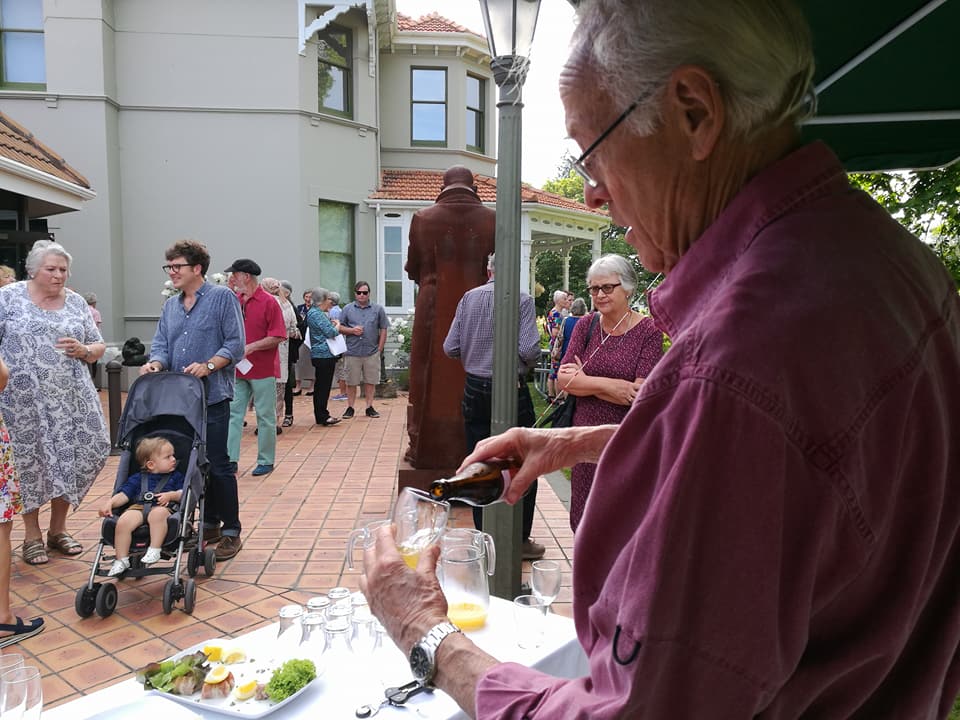
Friends of Aigantight Volunteer hosts guests in the sculpture garden. A free event that the public could be part of.
Side Quest: What Does “Safe for the Future” Really Mean?
When museums and galleries talk about keeping treasures safe, it is not just a nice phrase. It has very real, practical meaning.
Safe means artworks and taonga are stored in secure places where they are protected from theft, fire or flood. It means the rooms are carefully controlled for temperature, light and humidity so that paint does not crack, paper does not crumble and textiles do not grow mould. It means using conservation materials like acid free mounts and boxes, so the storage itself does no harm.
Safe also means future access. Cataloguing, photography and digitisation ensure that generations to come will know what is in the collection, can study it, and can bring it out into exhibitions.
In Aotearoa, safe also carries a cultural meaning. Taonga are cared for in ways that respect tikanga, and iwi are involved in decisions about their long term stewardship.
So when we say treasures are kept safe for the future, we are really talking about both protection and respect. We are making sure they will remain in good condition and ready to inspire, teach and connect people fifty or a hundred years from now.

Side Quest: What New Zealanders Say About the Arts
Every three years Creative New Zealand surveys thousands of people about their relationship with the arts. The 2023 findings are a goldmine, showing strong and growing support across the country.
-
Enjoyment and wellbeing: 41% say the arts are important to their personal wellbeing, and many highlight their role in supporting mental health.
-
Identity and pride: 63% agree the arts help define who we are as New Zealanders (up 11% since 2014), while 60% say the arts help improve society.
-
Economic contribution: 64% agree the arts contribute positively to the economy, up 12% since 2008.
-
Public support: 62% say the arts should receive public funding, up 13% since 2014.
-
Community value: 53% believe their community would be poorer without the arts, up 10% since 2020.
-
Ngā toi Māori: 78% (up 9% since 2014) agree Māori arts are an important way of connecting with culture and identity.
The survey also highlights barriers such as ticket prices, travel, accessibility and confidence, which continue to limit participation. Addressing these barriers is key to making sure everyone has the chance to enjoy and create art.
The scale of the research is impressive, with specialist reports on Māori, Pacific, Asian, Deaf and disabled communities, as well as regional and city-level insights. These findings give us a clear mandate: the arts are not a luxury, they are a vital part of who we are, how we live, and how we connect.
Source: https://artsaccess.org.nz/survey-findings-on-the-arts-a-goldmine

Side Quest: The Evidence for Investing in the Arts
The 2023 New Zealanders and the Arts – Ko Aotearoa me ōna Toi research (Creative New Zealand) gives us some of the strongest evidence yet that the arts are not a luxury — they are essential. Over 6,500 adults and 764 young people were surveyed, and the findings are clear:
-
Personal wellbeing
-
63% say the arts are good for their mental health.
-
38% say the arts make them feel less lonely.
-
41% say the arts are important to their personal wellbeing.
These are not just “nice-to-haves” — they are measurable contributions to mental health, connection, and resilience.
-
-
Community strength
-
60% believe the arts improve New Zealand society (up 8% since 2014).
-
53% say their community would be poorer without the arts (up 10% since 2020).
-
72% agree the arts should reflect New Zealand’s cultural diversity.
That is strong evidence that communities see the arts as essential for belonging and identity.
-
-
National identity
-
63% say the arts help define who we are as New Zealanders (up 11% since 2014).
-
78% value ngā toi Māori as a way of connecting with culture and identity.
-
32% of all New Zealand adults say ngā toi Māori motivates them to kōrero Māori.
This shows the arts are a living force in shaping identity, language, and cultural pride.
-
-
Economic contribution
-
64% believe the arts contribute positively to the economy (up 12% since 2008).
-
62% say the arts should receive public funding (up 13% since 2014).
People are not only aware of the economic value — they support public investment in the arts more than ever before.
-
-
Participation and future growth
-
72% of adults attended the arts in the last 12 months.
-
99% of young people participated in the arts, and 92% want to do more.
This shows a thriving pipeline of future creativity, if we invest now.
-
Why this matters for investment:
-
The data shows a majority of New Zealanders experience direct personal benefit from the arts.
-
The arts build resilient, cohesive communities.
-
They strengthen national identity and support Māori cultural leadership.
-
They generate economic value and enjoy strong public support for funding.
Put simply: investing in the arts is investing in wellbeing, community, identity, and economic growth.

Signs were fuindraised for and sponsored by the Friends of Aigantighe volunteers.
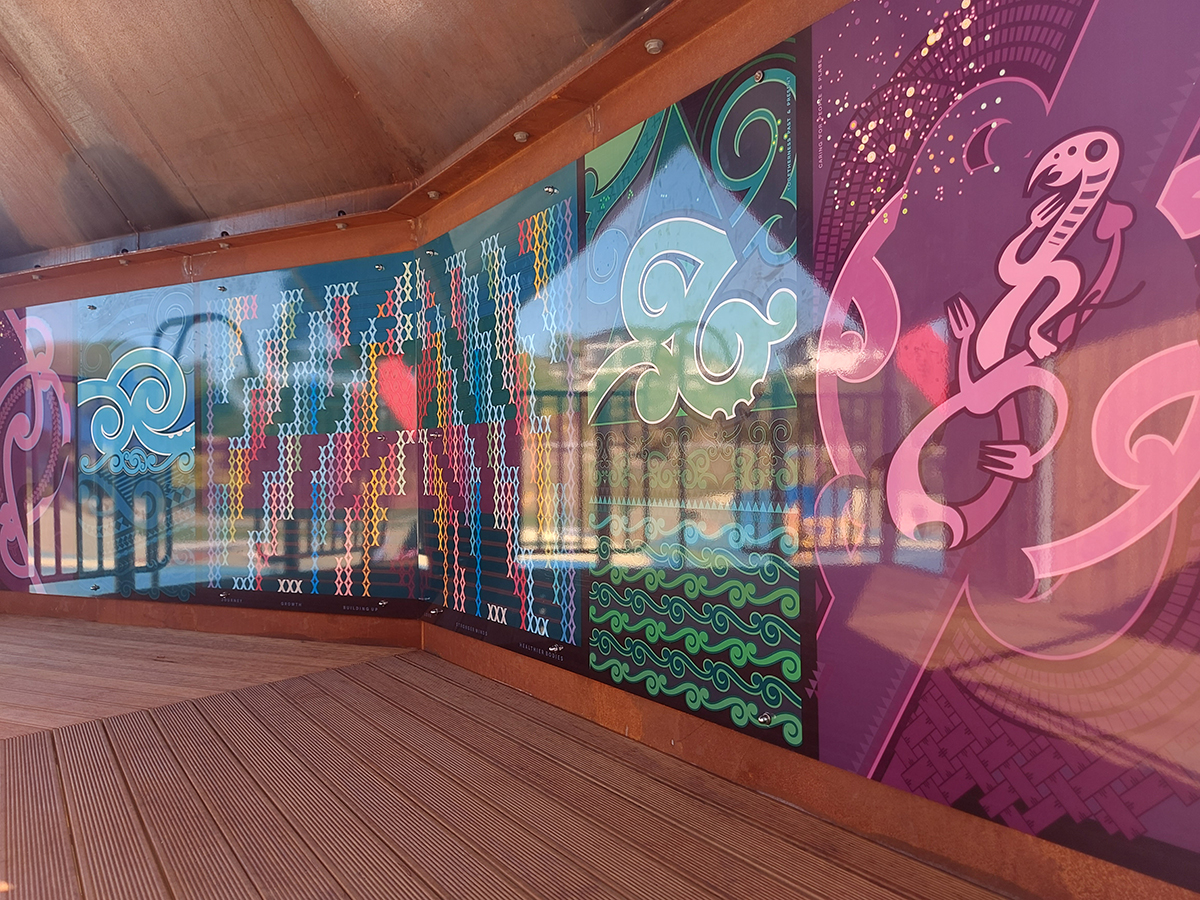
Art gifted to the playground by artists Francine Spencer and Roselyn Fauth. The printing and install was fuindraised for and sponsored by the Friends of Aigantighe volunteers.

Sculpture Hunt was created by Roselyn Fauth wit the support of the Aigantighe Art Gallery, and printing was sponsored by the Friends of Aigantighe Art Gallery.

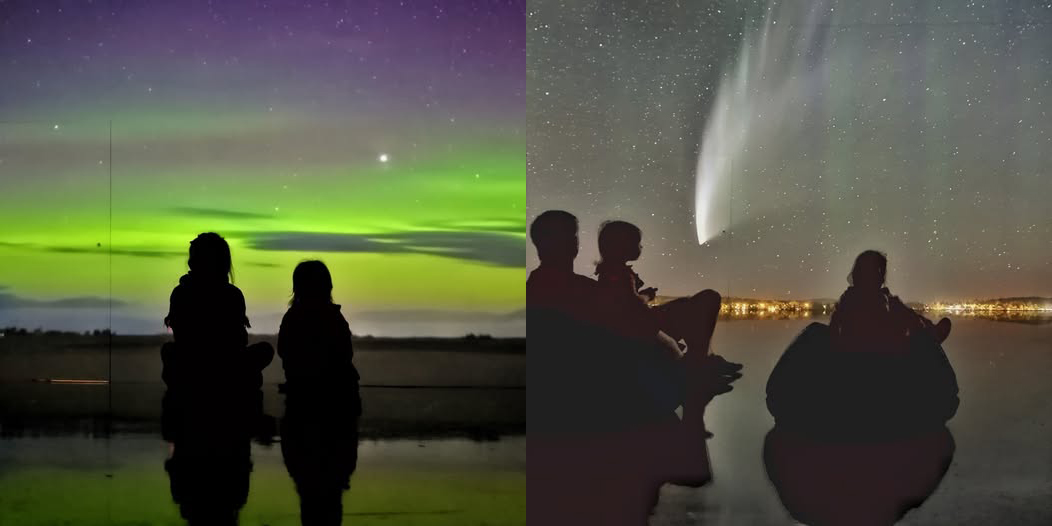
My girls and I experiencing their grandfather, Geoff Cloakes exhibition on Auroa at the Aigantighe Art Gallery